Skip to content

North America Supply Chain

Lithium Battery Fire Halts LA/Long Beach Port Terminals

According to www.supplychainbrain.com, lithium battery fire-related closures hit multiple terminals at the ports of Los Angeles and Long Beach on September 27, 2024. The incident followed a tractor-trailer overturn on a key cargo artery. This disruption unfolded amid record U.S. import volumes — projected at over 2.1 million TEUs per month for June, July, and August — and broader regional volatility, including the Baltimore bridge collapse aftermath and evolving USMCA alignment challenges. Supply chain professionals face compounding pressures from infrastructure fragility, regulatory variation across North America, and rising ESG accountability, as seen in reports of 371M pounds of industrial waste discharged by Tyson Foods over five years.

Original source: supplychainbrain.com

Lithium Battery Fire Halts LA/Long Beach Port Terminals
📋 本文要点

According to www.supplychainbrain.com, lithium battery fire-related closures hit multiple terminals at the ports of Los Angeles and Long Beach on September 27, 2024. The incident followed a tractor-trailer overturn on a key cargo artery. This disruption unfolded amid record U.S. import volumes — projected at over 2.1 million TEUs per month for June, July, and August — and broader regional volatility, including the Baltimore bridge collapse aftermath and evolving USMCA alignment challenges. Supply chain professionals face compounding pressures from infrastructure fragility, regulatory variation across North America, and rising ESG accountability, as seen in reports of 371M pounds of industrial waste discharged by Tyson Foods over five years.

According to www.supplychainbrain.com, several terminals at the ports of Los Angeles and Long Beach remained closed on September 27, 2024, after a tractor-trailer carrying lithium batteries overturned on a vital cargo artery.

Immediate Operational Impact

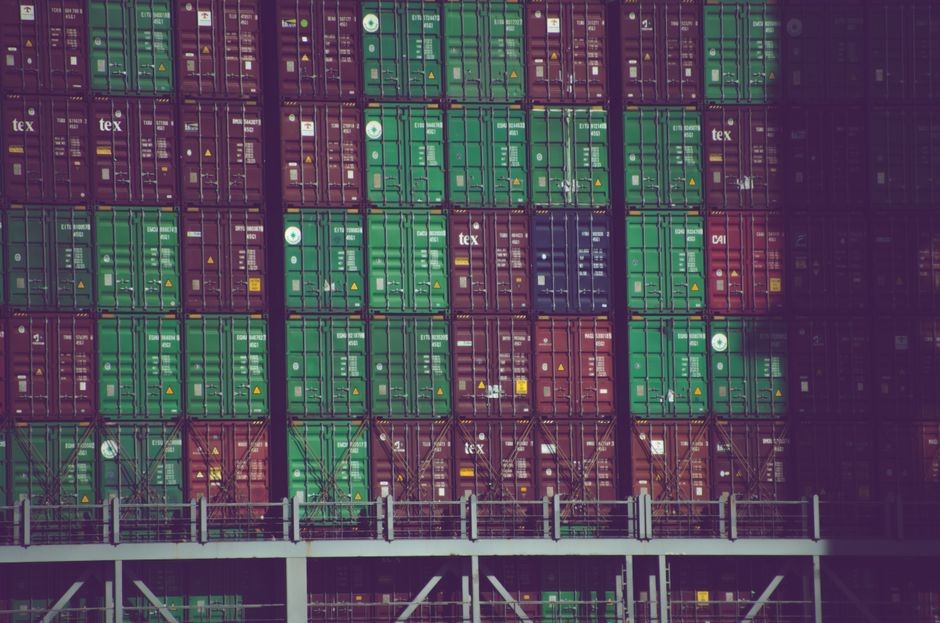
The incident triggered an emergency response and led to sustained terminal closures — disrupting container handling, drayage scheduling, and intermodal handoffs across one of North America’s busiest port complexes. The ports collectively handle over 40% of U.S. container imports, making this event a high-consequence disruption for import-dependent sectors including retail, automotive, and consumer electronics.

Broader North American Context

This incident occurred amid a volatile regional environment for supply chain professionals. Earlier in 2024, the Port of Baltimore’s main shipping channel remained delayed following the Dali container ship collision with the Francis Scott Key Bridge; the vessel was re-floated and removed from wreckage on May 20, 2024. Meanwhile, the National Retail Federation projected more than 2.1 million TEUs in U.S. container imports for each of June, July, and August — underscoring the pressure on remaining gateways during peak season.

Emerging Regulatory and Infrastructure Pressures

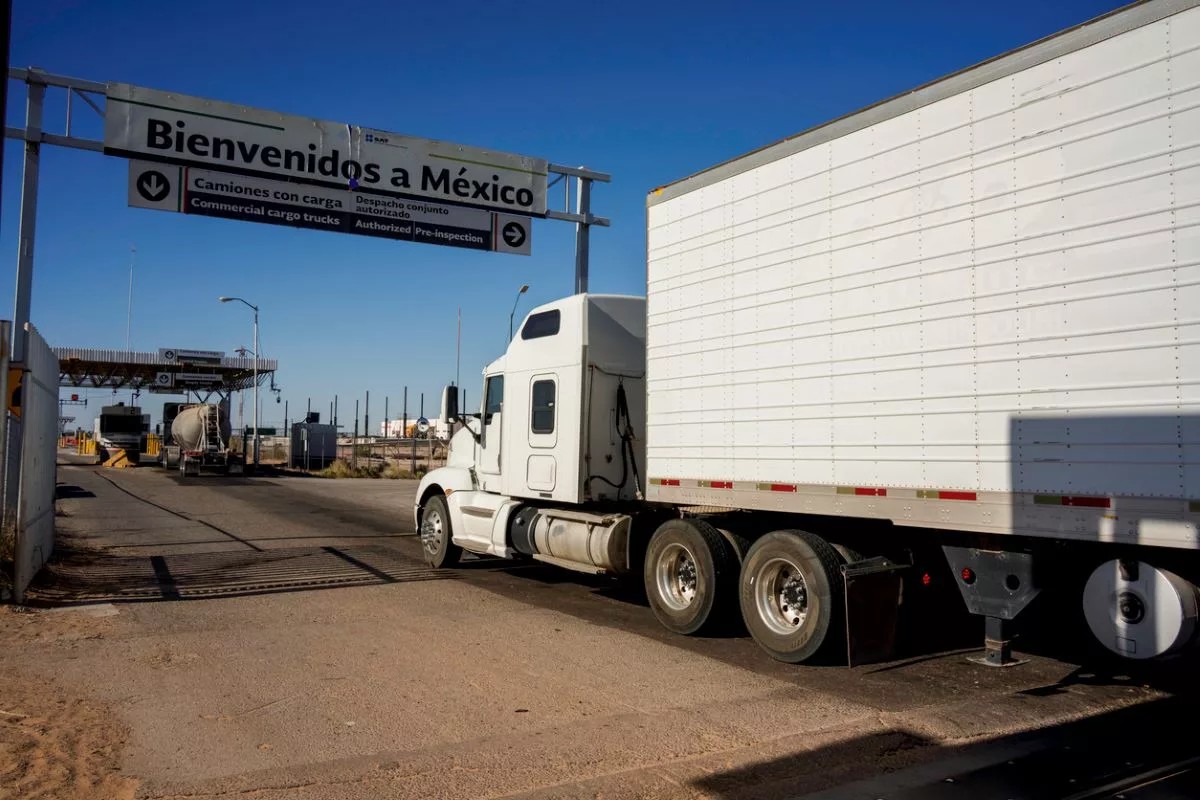
Supply chain operators are also navigating layered regulatory complexity: varying labeling and packaging requirements, customs and tax laws, and government-controlled exchange rates across the U.S., Canada, and Mexico. A recent SupplyChainBrain report noted Canada’s deputy prime minister stating that while the U.S. and Canada are “perfectly aligned” on trade with China, “the same cannot be said of Mexico.” This geopolitical divergence adds strategic uncertainty to USMCA-aligned planning.

Infrastructure Innovation Amid Disruption

In parallel, forward-looking infrastructure investments continue. The Port of Oakland announced plans to deploy a fleet of hydrogen trucks for freight hauling, aiming to decarbonize drayage operations. Maersk indicated its decision on returning to the Port of Baltimore “could be imminent,” reflecting carrier recalibration in real time. Separately, a SupplyChainBrain report cited Tyson Foods dumping 371 million pounds of waste into U.S. waters over five years, highlighting growing scrutiny on environmental compliance across logistics-linked manufacturing.

Source: Supply Chain Brain

Compiled from international media by the SCI.AI editorial team.

🧠

Done reading? Ask SCI.AI your follow-up questions

Answers grounded in our tariff knowledge graph and in-house reporting. Guests: 3 questions/day — free accounts: 30/week.

Ask SCI.AI Finished reading? Continue with SCI.AI. Explore the related policy, route, company and historical context. Continue asking
Dachser acquires 10% stake in Synergie Canada to expand airfreight
North America Supply Chain

Dachser acquires 10% stake in Synergie Canada to expand airfreight

German logistics firm Dachser has acquired a 10% minority stake in Synergie Canada, a Montreal-based air and sea freight forwarder founded in 2008. The investment strengthens Dachser’s North American presence and supports expansion beyond Europe. Synergie Canada generated €60 million in revenue in 2025 and employs around 100 people. CEO Tobias Burger called Canada 'a highly attractive market' due to its economic links across the Americas and Europe. President Marc-André Guindon noted the partnership will improve customer access to European markets. The deal follows similar moves by Atlas Air Worldwide and Air Charter Service in 2026.

Toyota opens $100M Indiana forklift plant, targets 80% electric by 2035
North America Supply Chain

Toyota opens $100M Indiana forklift plant, targets 80% electric by 2035

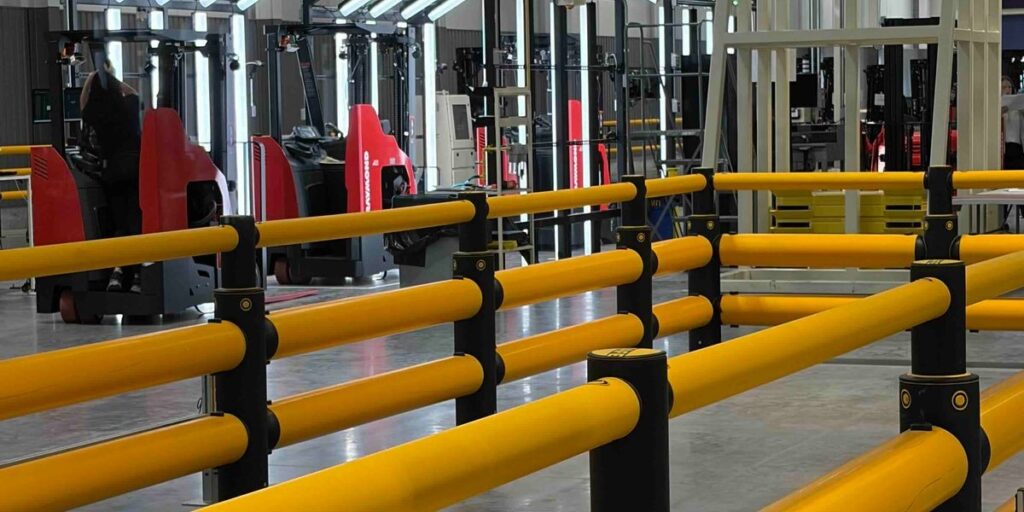
Toyota Material Handling North America (TMHNA) opened a $100 million electric forklift plant in Columbus, Indiana, on August 6, 2026. The 295,000-square-foot facility will produce Class 1 stand-up counterbalanced forklifts for Toyota and Raymond brands, enabling its Greene, N.Y., factory to pivot to reach trucks and automation. Production starts at eight units daily, scaling to 24 by September. TMHNA reports 70% of North American lift truck sales are now electric — projected to hit 80% by 2035. Seventy-five percent of output is custom-built, with 14 seat options available. Sixty percent of parts are sourced in North America, while Japan supplies key components; a new foreign trade zone helps bypass customs bottlenecks.

US lifts Mexico cattle ban Aug. 24 to curb beef prices
North America Supply Chain

US lifts Mexico cattle ban Aug. 24 to curb beef prices

The U.S. Department of Agriculture will lift its ban on Mexican cattle imports starting Aug. 24, 2026 — a restriction in place since November 2024 — to help curb record-high beef prices. The phased reopening affects three southern border ports and responds to a 22.7% year-over-year retail beef price surge. The move follows White House pressure on grocers and an antitrust probe into top beef processors ahead of the November 2026 elections. U.S. cattle inventories have fallen 12.3% since 2022, intensifying reliance on Mexican feeder cattle, which could supply up to 8% of domestic needs within a year.

Welcome Back!

Login to your account below

Create New Account!

Fill the forms below to register

Retrieve your password

Please enter your username or email address to reset your password.

Scan to share via WeChat

Open WeChat and scan the QR code to share

QR Code

Add New Playlist