Skip to content

Middle East Supply Chain

Middle East Supply Chain Disruption Boosts Dow: Near-Term Tailwinds from Strait of Hormuz Closure

According to Morningstar, Dow Inc. will benefit from near-term commodity chemicals supply chain disruption in the Middle East, driven by the closure of the Strait of Hormuz. Prices are expected to remain above pre-conflict levels despite a ceasefire. Dow—a top global chemicals producer formed in 2019 from the DowDuPont separation—faces no major strategic shift post-CEO transition. Supply chain professionals should prepare for ongoing volatility in feedstock availability, freight routing, and polymer pricing.

Original source: morningstar.com

Middle East Supply Chain Disruption Boosts Dow: Near-Term Tailwinds from Strait of Hormuz Closure
📋 本文要点

According to Morningstar, Dow Inc. will benefit from near-term commodity chemicals supply chain disruption in the Middle East, driven by the closure of the Strait of Hormuz. Prices are expected to remain above pre-conflict levels despite a ceasefire. Dow—a top global chemicals producer formed in 2019 from the DowDuPont separation—faces no major strategic shift post-CEO transition. Supply chain professionals should prepare for ongoing volatility in feedstock availability, freight routing, and polymer pricing.

According to www.morningstar.com, Dow Inc. stands to benefit from near-term supply chain disruption in the Middle East—specifically linked to the closure of the Strait of Hormuz—which is constraining commodity chemicals flows and supporting elevated pricing.

Strait of Hormuz Closure Drives Near-Term Advantage

The Morningstar report notes that the closure of the Strait of Hormuz has created immediate logistical bottlenecks for global commodity chemicals trade. As one of the world’s largest producers of commodity chemicals, Dow is positioned to capture near-term tailwinds from constrained regional supply and sustained price strength. According to the report, chemical prices are expected to remain above pre-conflict levels despite a recent ceasefire agreement.

Dow’s Strategic Position and Operational Continuity

Dow Chemical is described as one of the largest chemicals producers globally, manufacturing key components for industrial and consumer chemical and plastic products. Its current structure stems from the 2019 DowDuPont merger and subsequent corporate separations. The source states that no major strategy change is anticipated following the company’s recent CEO transition—reinforcing operational continuity amid geopolitical volatility.

Context for Supply Chain Professionals

For global supply chain professionals, this development underscores how localized maritime chokepoint disruptions can rapidly propagate upstream into raw material availability and cost structures—even for diversified, vertically integrated chemical suppliers. The Strait of Hormuz handles approximately 20% of global petroleum liquids trade (a widely reported figure from the U.S. Energy Information Administration, cited here for factual background), and its closure also impedes movement of feedstocks such as naphtha and ethane, which underpin ethylene and polyethylene production. Dow’s scale, geographic diversification outside the Gulf, and inventory management practices likely buffer it from direct supply shocks while enabling it to capitalize on regional scarcity.

Industry-wide, similar dynamics have recently affected other multinationals: In early 2024, BASF flagged extended lead times for Gulf-sourced intermediates; SABIC reported rerouting of shipments via the Cape of Good Hope, adding 10–14 days to transit. These patterns confirm that even short-duration chokepoint closures trigger measurable ripple effects across procurement planning, freight contracting, and working capital allocation.

Practically, procurement teams sourcing commodity polymers or basic petrochemicals should anticipate continued volatility in lead times and spot pricing through mid-2026—and may need to re-evaluate single-source dependencies on Gulf-based suppliers or logistics corridors. Dual-sourcing strategies, forward contracting at current price levels, and enhanced monitoring of Red Sea and Strait of Hormuz advisories are emerging best practices among peers.

Source: www.morningstar.com

Compiled from international media by the SCI.AI editorial team.
Ask SCI.AI Finished reading? Continue with SCI.AI. Explore the related policy, route, company and historical context. Continue asking
Iran pushes alternative transport corridors to boost supply chain resilience
Middle East Supply Chain

Iran pushes alternative transport corridors to boost supply chain resilience

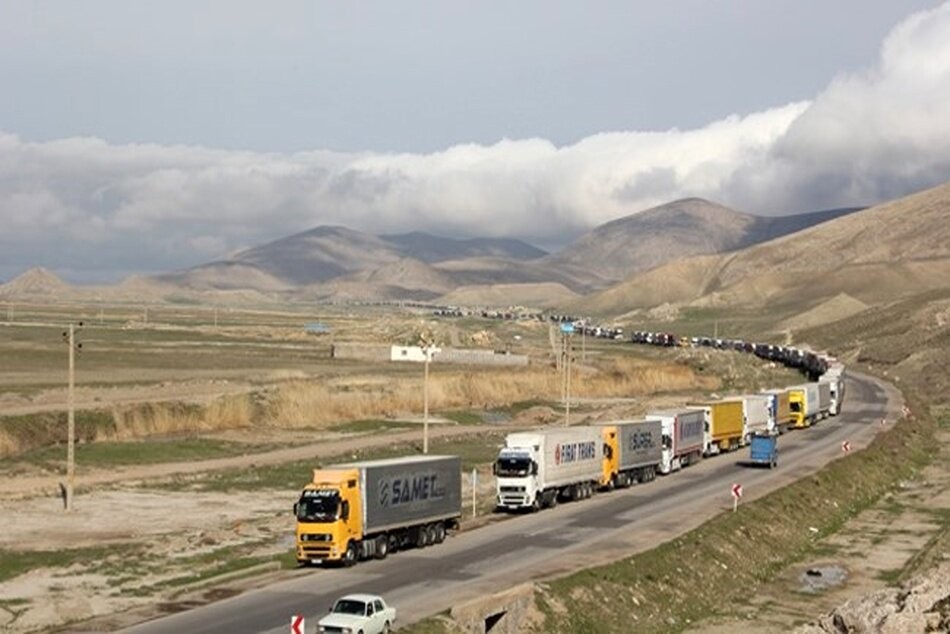
Iran is accelerating development of alternative land transport corridors to bolster supply chain resilience amid geopolitical volatility and maritime vulnerabilities. Seyed Ali Emami, Director General of the Readiness and Support Office at Iran’s Trade Promotion Organization, stated that ensuring uninterrupted goods movement — not just market competitiveness — is now the core trade priority. With maritime routes dominating global cargo but facing growing risks at chokepoints like the Strait of Hormuz and Red Sea, Iran is piloting new land corridors as of August 2026. While exports show strong growth, transit volumes have declined — prompting infrastructure upgrades, cost-reduction measures, and policy reforms targeted for completion in 2026.

DP World launches 15,250-sq-m multi-client warehouse in Riyadh
Middle East Supply Chain

DP World launches 15,250-sq-m multi-client warehouse in Riyadh

DP World has opened its first multi-client 3PL warehouse in Saudi Arabia — a 15,250-square-metre facility in Riyadh’s Al Mashael Logistics Hub offering over 17,000 pallet positions. The non-bonded warehouse supports consumer goods, automotive, retail, industrial, and technology sectors, and integrates with DP World’s broader Saudi network, including the $250 million Jeddah Logistics Park. Launched on 30 July 2026, the project advances Vision 2030’s logistics goals amid rising demand from e-commerce and manufacturing. It follows strong regional growth, exemplified by stc Group’s SAR 40.1 billion H1 2026 revenue and 30.3 million mobile subscribers.

Hormuz Ship Backlog Spurs Bioinvasion Risk Alert
Middle East Supply Chain

Hormuz Ship Backlog Spurs Bioinvasion Risk Alert

Scientists warn that over 1,500 ships stranded in the Strait of Hormuz since late February 2026 have accumulated dangerous levels of marine biofouling — including algae, mussels, and barnacles — raising high risks of global 'bioinvasion.' With vessels idle for at least 40 times longer than typical port stays, invasive species may spread to ports worldwide upon departure. A July 22, 2026 report urges mandatory hull inspections and cleaning before resuming voyages, and calls for coordinated early detection at receiving ports. The Strait of Hormuz, handling ~20% of global oil shipments, is now an ecological flashpoint with cascading supply chain and regulatory implications.

Welcome Back!

Login to your account below

Create New Account!

Fill the forms below to register

Retrieve your password

Please enter your username or email address to reset your password.

Scan to share via WeChat

Open WeChat and scan the QR code to share

QR Code

Add New Playlist