Skip to content

Africa Supply Chain

POCO Standardises Warehouse Execution Across 7 Sites

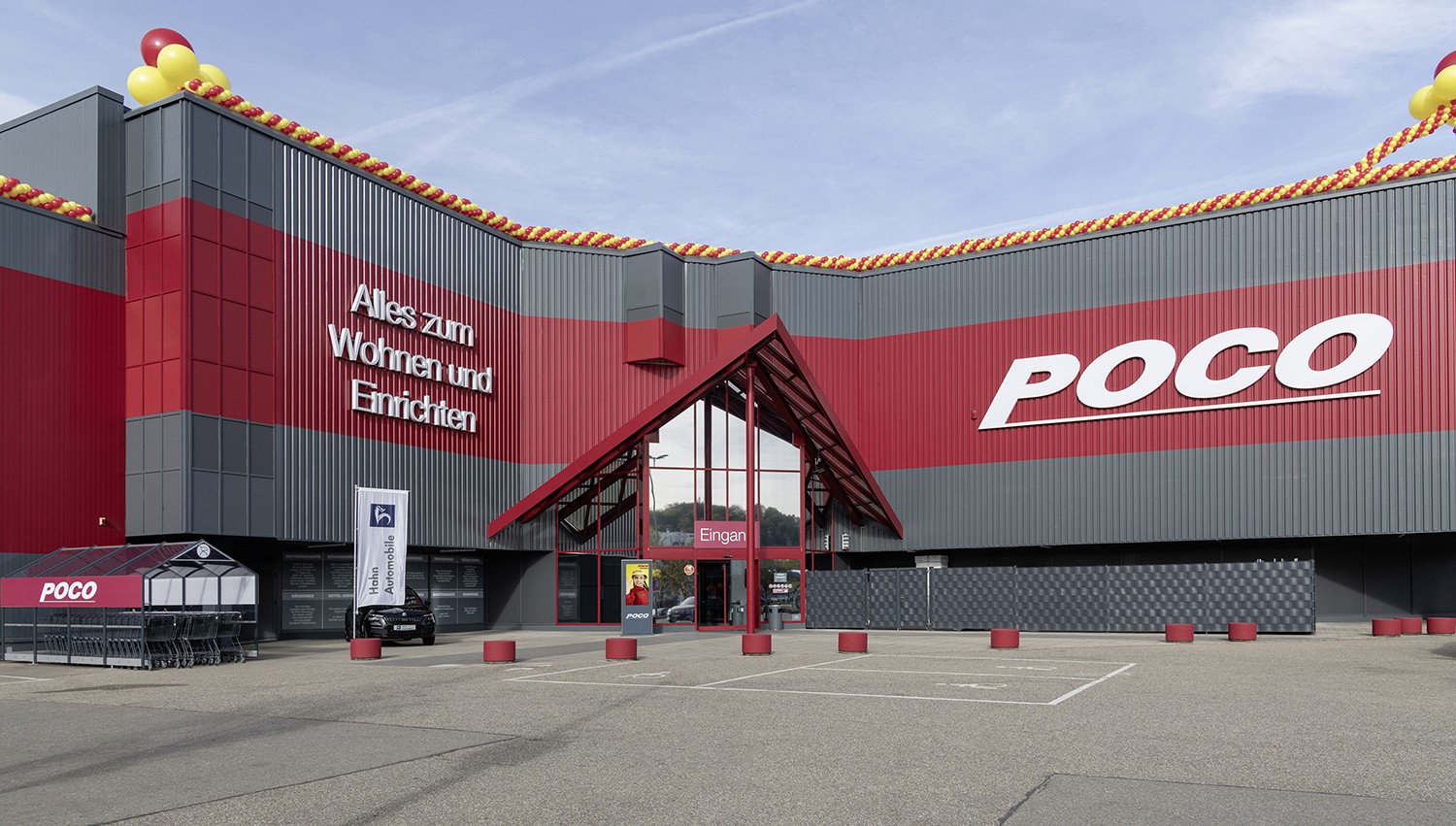
Infios WM has gone live at POCO’s Trebbin logistics centre — the first of seven sites in a nationwide standardisation programme. POCO, Germany’s largest furniture and home improvement discounter, operates 127 stores and a fast-growing e-commerce arm. Its legacy ERP-based modules could no longer handle furniture logistics complexities — especially multi-package item coordination and real-time visibility. The new modular WM system supports site-specific adaptations while enforcing standardised core processes. According to Infios, the solution reflects the 'operational DNA' of the furniture industry.

Original source: logisticsbusiness.com

POCO Standardises Warehouse Execution Across 7 Sites
📋 本文要点

Infios WM has gone live at POCO’s Trebbin logistics centre — the first of seven sites in a nationwide standardisation programme. POCO, Germany’s largest furniture and home improvement discounter, operates 127 stores and a fast-growing e-commerce arm. Its legacy ERP-based modules could no longer handle furniture logistics complexities — especially multi-package item coordination and real-time visibility. The new modular WM system supports site-specific adaptations while enforcing standardised core processes. According to Infios, the solution reflects the 'operational DNA' of the furniture industry.

According to logisticsbusiness.com, Infios has announced that POCO — Germany’s largest furniture and home improvement discounter — has successfully gone live with Infios Warehouse Management (WM) at its Trebbin logistics centre. The deployment marks the first milestone in a multi-site program to standardise and modernise supply chain execution across POCO’s nationwide logistics network.

Operational Drivers Behind the Standardisation

Founded in 1989, POCO specialises in affordable home furnishings, kitchens, electrical goods and DIY products. It operates 127 stores alongside a rapidly growing e-commerce business. Its logistics network includes a central goods-receiving warehouse, several regional distribution centres, and a highly automated e-commerce fulfilment centre. Growing operational complexity had outgrown the capabilities of its legacy ERP-based warehouse and logistics modules.

Furniture logistics presents distinct challenges, including bulky and heavy goods, variable packaging formats, and — in particular — multi-package items that must be stored, picked and shipped as coherent units while maintaining full transparency at the component level. These requirements demand a high level of execution intelligence, orchestration and real-time visibility that traditional ERP-based modules are not designed to deliver.

A Modular, Best-of-Breed Architecture

By implementing Infios WM, POCO is decoupling warehouse execution from ERP and establishing a modular, best-of-breed architecture purpose-built for intelligent supply chain execution. The solution enables standardised core processes across sites while flexibly adapting workflows, automation interfaces, and labour processes — including those unique to large-item and multi-package handling.

Seven-Site Rollout Strategy

The Trebbin go-live at the end of 2025 serves as the blueprint for further rollout. A second site will follow in 2026, with the remaining locations implemented using reusable templates and industry-specific configurations to accelerate time to value.

“Infios Warehouse Management delivers the execution intelligence needed to run complex, multi-channel supply chains at scale,” says Dirk Teschner, Senior Vice President and Managing Director at Infios. “For POCO, we have configured the solution to reflect the operational DNA of the furniture industry – particularly the precise co-ordination required for multi-package product handling.”

As part of Infios’s Intelligent supply chain execution platform, Infios WM can be extended with complementary modules such as slotting and yard management, positioning POCO to further optimise inbound, outbound and inventory management processes as its business continues to grow.

Source: logisticsbusiness.com

Compiled from international media by the SCI.AI editorial team.

Ask SCI.AI Finished reading? Continue with SCI.AI. Explore the related policy, route, company and historical context. Continue asking
Maersk, Hapag-Lloyd resume Red Sea route amid capacity relief
Africa Supply Chain

Maersk, Hapag-Lloyd resume Red Sea route amid capacity relief

A.P. Moller-Maersk and Hapag-Lloyd announced on July 6, 2026, they are resuming Red Sea and Suez Canal transit for select Asia–Europe services — the first major carrier alliance to do so since late 2023. The move follows security reassessments and aims to alleviate vessel capacity constraints that drove spot rates up 37% in recent weeks. Maersk shares fell 9%, Hapag-Lloyd dropped 4.6%, reflecting market expectations of rate normalization. The Majestic Maersk, currently near Oman, will be the first redirected vessel. The Cape of Good Hope detour added ~14–18 days and $250,000–$350,000 in fuel costs per round trip.

DP World pledges $4B Africa expansion amid 75% fuel cost surge
Africa Supply Chain

DP World pledges $4B Africa expansion amid 75% fuel cost surge

DP World reaffirms its $4 billion investment pledge in African port and logistics infrastructure despite a 75% fuel price surge in South Africa and disruptions caused by the Strait of Hormuz closure. CEO Mohammed Akoojee confirmed ongoing projects including Maputo Port expansion and the DRC’s first deep-water port, due in Q1 next year. The company operates 7,000+ trucks across Africa and is shifting toward integrated logistics ecosystems linking Tanzania, Rwanda, Zambia, and Congo.

Global Hunger Falls to 645M in 2025 Amid Conflict Risks
Africa Supply Chain

Global Hunger Falls to 645M in 2025 Amid Conflict Risks

Global hunger fell to 645 million people (7.8% of the world population) in 2025, marking the third straight annual decline since pandemic-driven spikes. Yet conflicts — especially in the Middle East — and climate shocks threaten reversal, with the UN World Food Programme warning that 45 million more could face acute food insecurity if the Iran war continues and oil exceeds $100/barrel. Africa remains the epicenter: one in five people there were undernourished in 2025, and the UN projects 56% of the world’s hungry will live there by 2030. Supply chain professionals must now integrate humanitarian risk data into logistics planning, particularly across Red Sea and Suez Canal corridors.

Welcome Back!

Login to your account below

Create New Account!

Fill the forms below to register

Retrieve your password

Please enter your username or email address to reset your password.

Scan to share via WeChat

Open WeChat and scan the QR code to share

QR Code

Add New Playlist