Skip to content

Japan & Korea Supply Chain

Japan Chip Plants: Cybersecurity Mandate for Subsidies Starting 2026

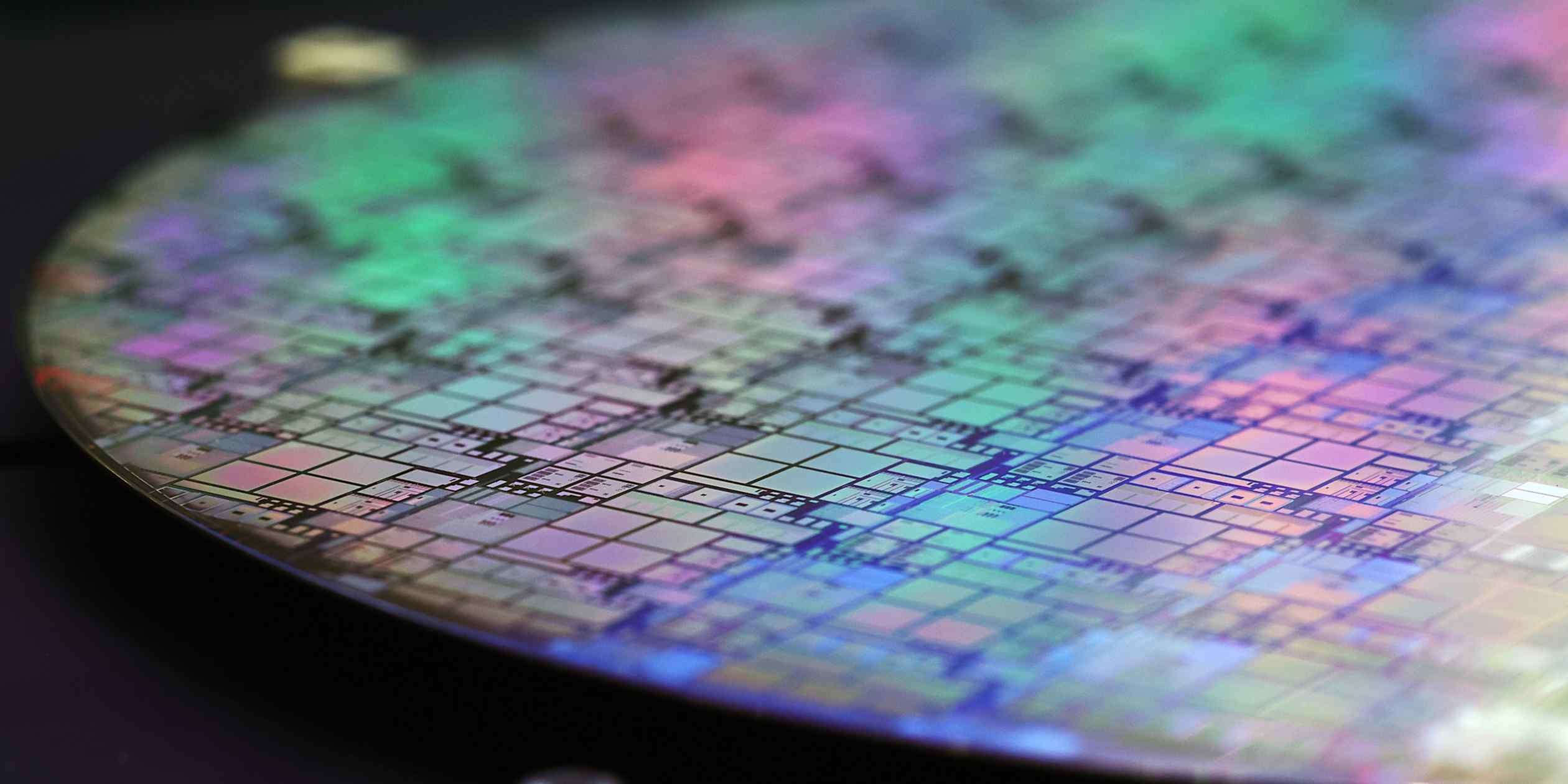
Japan’s Ministry of Economy, Trade and Industry will require chip manufacturing plants to adopt cybersecurity protections as a condition for receiving subsidies starting in fiscal 2026, according to asia.nikkei.com. The mandate responds to rising cyberattacks on manufacturing and aims to reduce cross-industry supply chain risks. It transforms prior voluntary guidelines into binding requirements, affecting both domestic firms like Rapidus and foreign-invested fabs operating in Japan. Global supply chain professionals must now factor this regulatory threshold into supplier assessments, audit planning, and risk mitigation strategies for semiconductor-dependent products.

Original source: asia.nikkei.com

Japan Chip Plants: Cybersecurity Mandate for Subsidies Starting 2026

According to asia.nikkei.com, Japan’s Ministry of Economy, Trade and Industry (METI) will require semiconductor manufacturing plants to implement cybersecurity protections as a mandatory condition for receiving government subsidies beginning in fiscal 2026. The move responds to rising cyberattacks targeting the manufacturing sector and aims to mitigate supply chain risks that could ripple across industries reliant on chips — from automobiles and electronics to medical devices and infrastructure systems.

Rising Threats Drive Regulatory Shift

Cyberattacks against the manufacturing sector are on the rise, the source states. This escalation has prompted Japan to elevate previously voluntary cybersecurity recommendations into binding requirements for subsidy eligibility. The mandate reflects growing recognition among industrialized nations that chip fabrication facilities — often housing sensitive design data, proprietary process recipes, and real-time production controls — represent high-value targets for state-sponsored and criminal actors. A successful breach could disrupt output, compromise intellectual property, or introduce malicious logic into chips destined for critical systems.

Practical Implications for Global Supply Chain Professionals

For supply chain professionals managing semiconductor-dependent operations, this policy signals an emerging layer of compliance risk in Japan-sourced components. Buyers and tier-1 suppliers must now assess whether their Japanese foundry partners — including domestic entities like Rapidus and joint ventures involving foreign firms — meet METI’s forthcoming cybersecurity criteria. Given Japan’s strategic push to rebuild domestic advanced logic manufacturing capacity (e.g., the ¥3.5 trillion public-private investment announced in 2022), subsidy-linked mandates will likely shape technology transfer agreements, audit protocols, and supplier qualification frameworks.

This development aligns with broader global trends: the U.S. CHIPS Act includes cybersecurity guidance for recipients; the EU’s Chips Joint Undertaking emphasizes secure design and supply chain integrity; and Taiwan’s Industrial Technology Research Institute (ITRI) has rolled out semiconductor-specific cybersecurity certification since 2023. Unlike those frameworks, however, Japan’s approach makes adherence a formal gate for financial support — increasing its operational weight for manufacturers.

Source: Nikkei Asia

Compiled from international media by the SCI.AI editorial team.
Ask SCI.AI Finished reading? Continue with SCI.AI. Explore the related policy, route, company and historical context. Continue asking
South Korea, Brazil Ink Deal to Restart Mercosur FTA Talks
Japan & Korea Supply Chain

South Korea, Brazil Ink Deal to Restart Mercosur FTA Talks

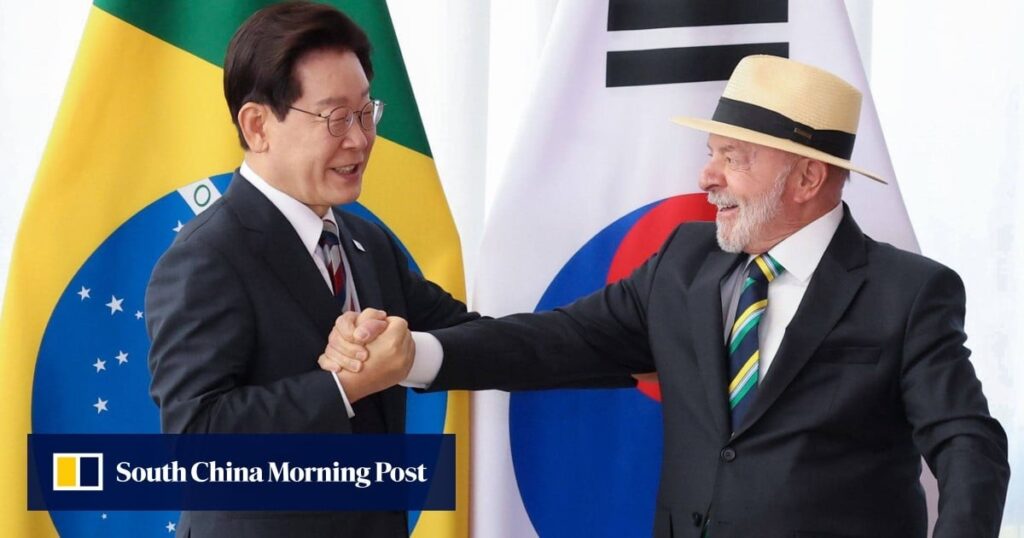
South Korean President Lee Jae Myung and Brazilian President Luiz Inacio Lula da Silva agreed on 29 July 2026 to restart free-trade negotiations with Mercosur — the South American bloc of Argentina, Brazil, Paraguay, Uruguay, and Bolivia. A joint working group will prepare a formal declaration for the Mercosur summit in December 2026. Talks, launched in 2018, stalled in late 2021 amid manufacturing-sector concerns. Analysts say Seoul must back diplomacy with real investment and technology transfer. Mercosur’s $3.5 trillion GDP and 270 million consumers make it a high-stakes opportunity for Korean exporters and supply chain planners.

Nissan to export US-built Murano to Japan in early 2027
Japan & Korea Supply Chain

Nissan to export US-built Murano to Japan in early 2027

Nissan will begin exporting the U.S.-built Murano SUV from its Smyrna, Tennessee plant to Japan in early 2027 — enabled by a September 2025 U.S.-Japan trade agreement that lowered U.S. tariffs on Japanese vehicles from 25% to 15% and allowed U.S. safety certification to satisfy Japanese regulatory requirements. The move follows similar announcements by Toyota and Honda to export U.S.-assembled models to Japan. Nissan sold 42,747 Muranos in the U.S. in 2025 (+121% YoY), while U.S. imports from Japan fell 17.4% to 113,094 units.

Japan pulls rare earths from Pacific seabed; yttrium at 1,000 ppm
Japan & Korea Supply Chain

Japan pulls rare earths from Pacific seabed; yttrium at 1,000 ppm

Japan has extracted yttrium (at 1,000 ppm) and dysprosium from deep-sea mud near Minamitorishima Island in the Pacific Ocean. The seabed deposit lies 2,000 meters below the surface and forms part of Japan’s strategy to cut reliance on China, which supplies over 90% of global refined rare earths. Despite promising assays, commercialization remains distant due to high extraction costs, with no large-scale pilot expected before the late 2030s. Japan has committed ¥15 billion to seabed R&D and is pursuing alternatives including domestic smelting (Shin-Etsu, 2027), recycling (Toyota Tsusho), and international partnerships (France, Greenland). Rare-earth costs for Japanese firms rose over 20% in early 2026.

Welcome Back!

Login to your account below

Create New Account!

Fill the forms below to register

Retrieve your password

Please enter your username or email address to reset your password.

Scan to share via WeChat

Open WeChat and scan the QR code to share

QR Code

Add New Playlist