

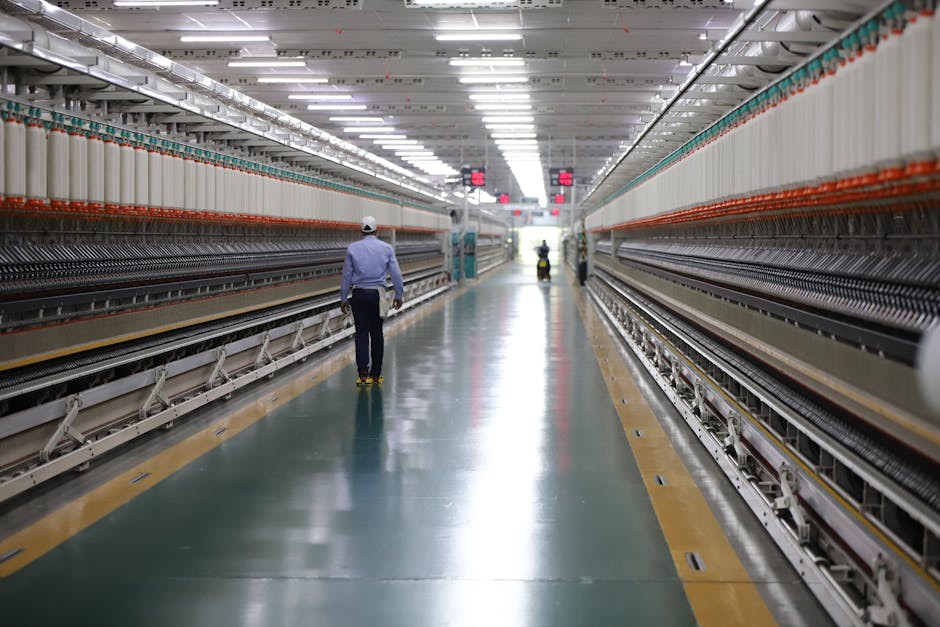
India’s HSBC Flash Composite PMI rose to 58.3 in April 2026 from 57.0 in March, signaling accelerated private sector growth. Manufacturing led the rebound, with its Output Index climbing to 59.1 — the fastest in nine months — while services grew more modestly (57.9). Input cost inflation remained near three-year highs, prompting firms to raise selling prices and build buffer stocks. Job creation hit a 10-month high, and export trends diverged sharply: goods producers posted strong gains, but services saw their weakest uptick in over a year, per the survey.
According to www.livemint.com, India’s private sector output growth accelerated in April 2026, with the HSBC Flash India Composite PMI rising to 58.3 from 57.0 in March — its highest reading since at least October 2025 and well above the 50.0 threshold separating expansion from contraction.
Manufacturing Leads Resurgence
The HSBC Flash India Manufacturing PMI Output Index jumped to 59.1 in April from 55.7 in March, while the broader HSBC Flash India Manufacturing PMI rose to 55.9 from 53.9, marking the strongest improvement in operating conditions since last October. In contrast, the HSBC Flash India Services PMI Business Activity Index edged up to 57.9 from 57.5. The survey attributed manufacturing’s outperformance to faster growth in output, new orders, and sales — the latter posting the fastest expansion in nine months.
Inflation and Input Cost Pressures Persist
Despite easing slightly from March’s peak, input cost inflation remained the second-steepest in almost three years, driven by higher fuel, gas, oil, and raw material prices. Firms responded by raising selling prices — though the rate of output charge inflation, while marked, stayed well below that of input costs. Notably, inflation acceleration was concentrated in manufacturing, while services saw a slowdown in price pressures.
Job Creation and Inventory Build-Up
- Private sector job creation reached a 10-month high in April, fueled by rising business requirements, expansion plans, and upbeat year-ahead forecasts.
- Hiring strengthened across both manufacturing and services — with manufacturing firms leading the upturn.
- Firms increased finished goods and input inventories, citing efforts to build buffer stocks amid uncertainty over the longevity of supply-side shocks linked to the West Asia conflict.
Export Trends and Confidence
Export performance diverged by sector: goods producers reported a quicker increase in export orders — the fastest in nine months — while service providers recorded the weakest uptick in just over a year, reportedly due to disruptions from the West Asia war. At the composite level, new export business rose at a softer rate than in March. Business confidence remained elevated — the second-highest in about a year-and-a-half — though it declined modestly from March’s level. Survey participants cited pending project approvals, rising client enquiries, and marketing efforts as key drivers of optimism for output growth over the next 12 months.
“Private sector activity accelerated after easing in March amid disruptions linked to the Middle East conflict. Manufacturing led the upturn, with faster growth in output and new orders.” — Pranjul Bhandari, chief India economist at HSBC
The Flash PMI data is based on responses from approximately 400 manufacturers and 400 service providers. It serves as an advance estimate ahead of final PMI readings, which will be released early next month.
Source: www.livemint.com
Compiled from international media by the SCI.AI editorial team.


