Africa faces a widening reefer gap—55% in Durban and 30% in Mombasa—driven by import-export container mismatches and amplified by Red Sea disruptions that add 10–14 days to voyages. According to Ocean Network Express, up to 55% of peak-season reefer demand goes unmet. DHL confirms extended transit times reduce effective reefer capacity despite fleet overcapacity. South Africa’s citrus exports (205–210M cartons in 2026) and Kenya’s avocado boom (13.9% CAGR) heighten reliance on temperature-controlled logistics. NOR/RAD strategies offer short-term mitigation, but structural constraints persist.
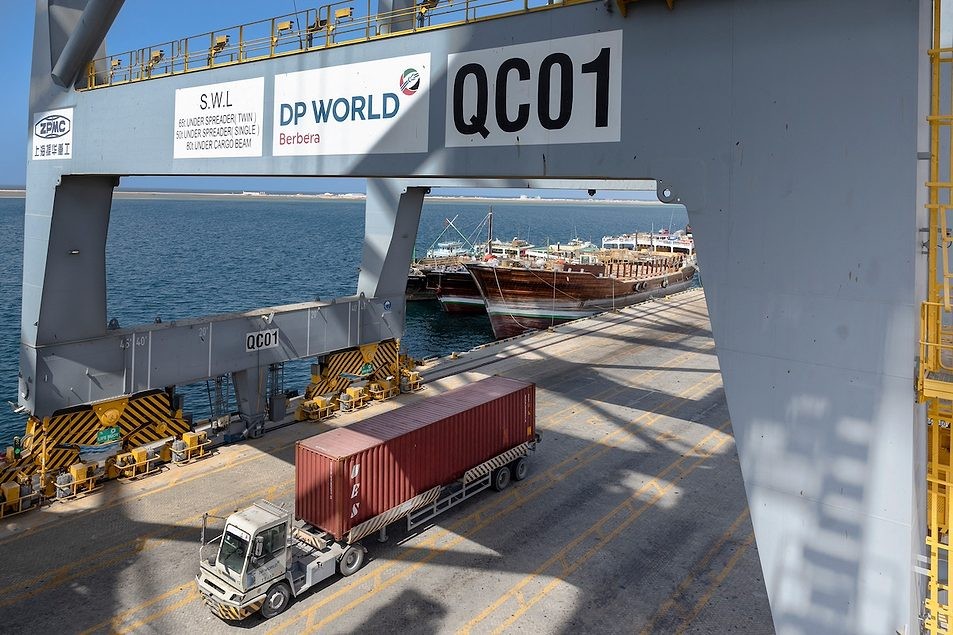
According to www.logupdateafrica.com, Africa’s refrigerated container (reefer) shortage has deepened significantly, with a 55% deficit in Durban and a 30% deficit in Mombasa during peak seasons—based on 2024 data cited by Ocean Network Express (ONE).
Structural Imbalance Drives the Reefer Gap
The gap stems from a fundamental mismatch: imports into Africa—mainly machinery, plastics, and textiles from Asia—arrive in standard dry containers, while exports of perishables require specialised reefers. As ONE notes, this imbalance is worsening just as Africa’s agricultural exports expand, supported by regional integration efforts including the African Continental Free Trade Area (AfCFTA).
- South Africa remains the continent’s primary container gateway, with citrus accounting for around 40% of containerised exports
- South African fruit exports have grown at a CAGR of 4.6% over the past decade, expanding beyond oranges to apples, grapes, and cherries
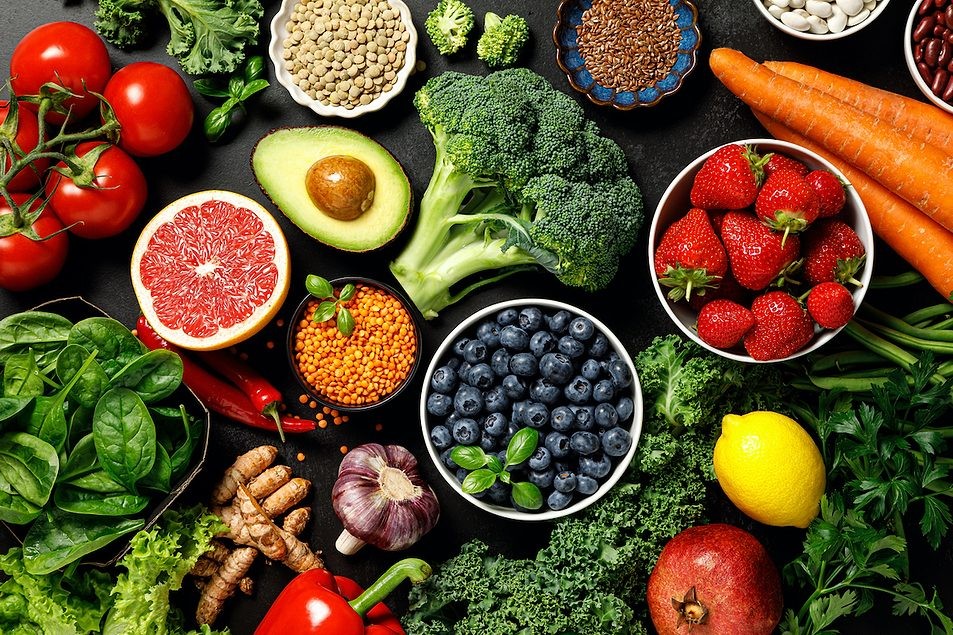
- Kenya has emerged as a regional export hub, with fruit exports growing at a CAGR of 13.9%, driven by a four-fold increase in avocado production since 2015—making it the world’s sixth-largest producer
Geographic and Operational Constraints
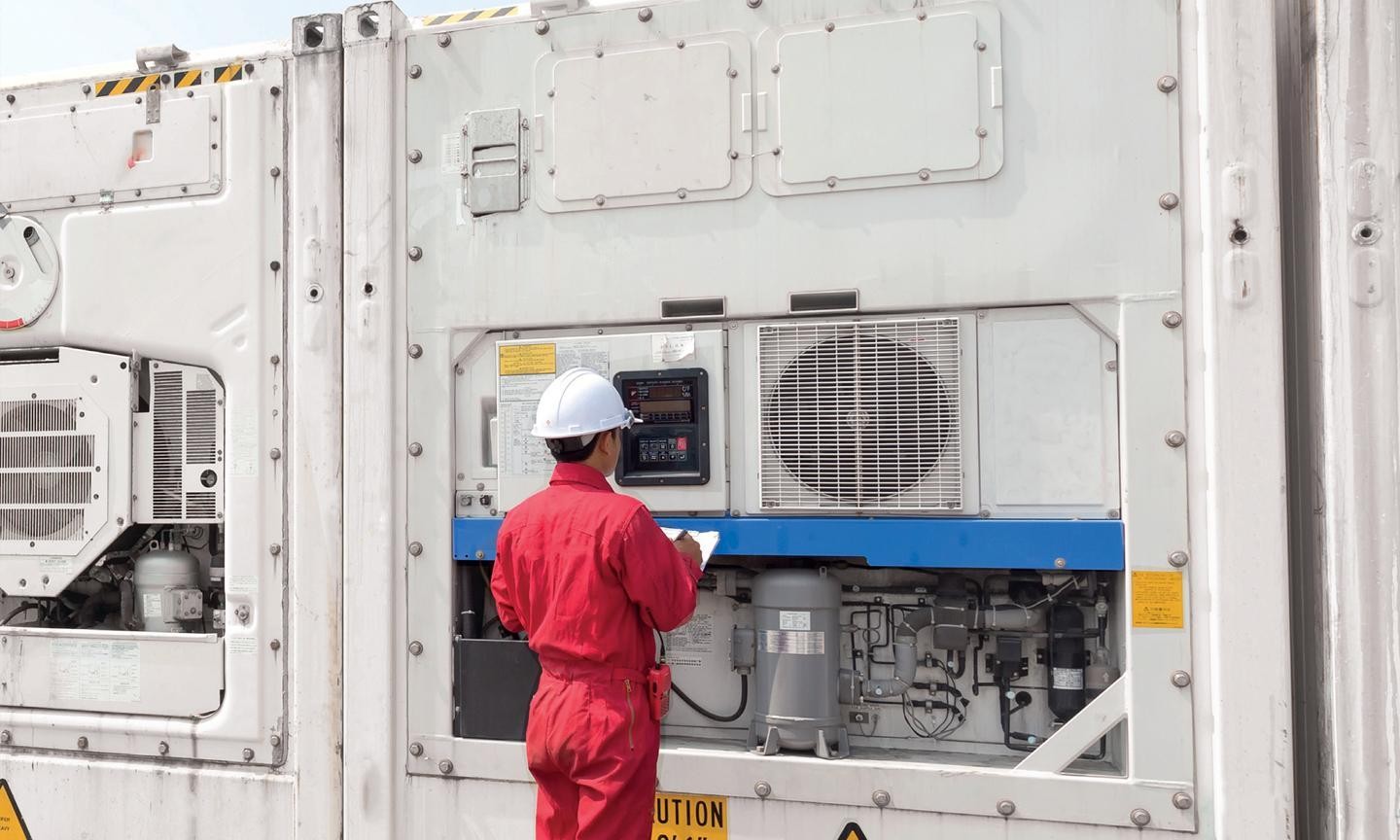
Major production zones—including citrus groves in Limpopo (South Africa) and avocado farms in central Kenya—are located hundreds of kilometres inland. Repositioning empty reefers from coastal ports to these areas adds cost and complexity. To respond, carriers are deploying Non-Operating Reefers (NOR), or ‘Reefer as Dry’ (RAD), using reefer units for dry cargo with cooling systems switched off—enabling more efficient equipment movement into inland regions.
Global Disruptions Amplify Local Shortages
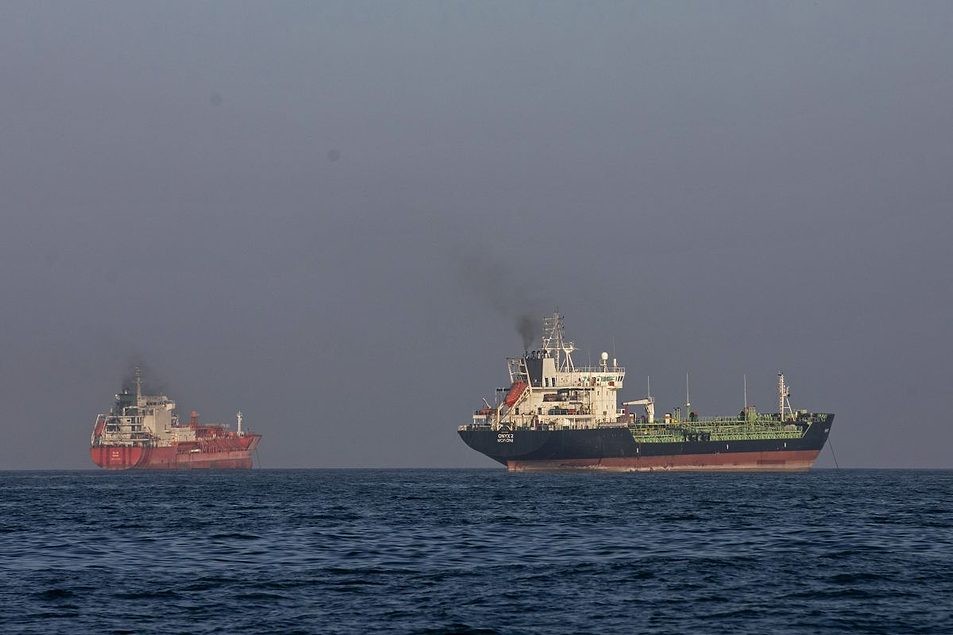
According to DHL’s Ocean Freight Reefer Market Update for Q2 2026, Middle East conflict–driven disruptions in the Red Sea and Strait of Hormuz have forced vessels to reroute via the Cape of Good Hope, adding 10–14 days to transit times and increasing fuel costs. This slows container circulation—not reducing global reefer numbers, but materially cutting effective capacity during peak export windows.
DHL also reports that carriers have restricted some reefer shipments into the Gulf region due to operational risks. Regionally, operators are shifting to alternative hubs such as Jeddah (Saudi Arabia), Salalah (Oman), and UAE gateways, further extending transit times and raising costs.
Cost and Regulatory Pressures Mount
Fuel-driven expenses, war risk surcharges (WRS), and higher bunker adjustment factors (BAF) are contributing to freight rate volatility. The expanded EU Emissions Trading System (EU ETS) adds further cost pressure. Meanwhile, South Africa’s citrus output for the 2026 season is projected at 205–210 million cartons, and Morocco’s harvest is recovering after weather disruptions, with improved yields expected following stabilised temperatures.
“The reefer gap—driven by structural imbalances, inland logistics challenges and global disruptions—remains a key issue shaping the continent’s trade outlook.” — Ocean Network Express report, cited in source
For supply chain professionals, this means seasonal planning must now account for longer equipment dwell times, higher repositioning costs, and tighter coordination between port terminals, inland depots, and origin farms. NOR/RAD deployments offer tactical relief—but long-term resilience requires investment in inland cold storage, rail-linked reefer yards, and regional reefer pooling mechanisms. Without addressing the root imbalance—where export demand outpaces inbound reefer availability—Africa’s perishables growth will remain bottlenecked at the first mile.
Source: www.logupdateafrica.com
Compiled from international media by the SCI.AI editorial team.