Skip to content

Middle East Supply Chain

AI & Supply Chain Redesign Top Priorities for 98% of Saudi Firms

A new HSBC survey of 3,000 international businesses—including 600 in Saudi Arabia and the UAE—finds AI adoption and supply chain redesign are top priorities for resilient growth. Ninety-eight percent of Saudi firms and 95% of UAE firms see international growth potential in supply chain reconfiguration. Sixty percent cite access to critical technologies as a major strategic influence, while 52% (UAE) and 46% (Saudi) rank AI/tech investments among their top three portfolio repositioning drivers. Investment horizons have lengthened significantly—73% in Saudi Arabia and 67% in the UAE—reflecting a deliberate shift toward long-term positioning.

Original source: economymiddleeast.com

AI & Supply Chain Redesign Top Priorities for 98% of Saudi Firms
📋 本文要点

A new HSBC survey of 3,000 international businesses—including 600 in Saudi Arabia and the UAE—finds AI adoption and supply chain redesign are top priorities for resilient growth. Ninety-eight percent of Saudi firms and 95% of UAE firms see international growth potential in supply chain reconfiguration. Sixty percent cite access to critical technologies as a major strategic influence, while 52% (UAE) and 46% (Saudi) rank AI/tech investments among their top three portfolio repositioning drivers. Investment horizons have lengthened significantly—73% in Saudi Arabia and 67% in the UAE—reflecting a deliberate shift toward long-term positioning.

According to economymiddleeast.com, a new HSBC survey reveals that AI adoption and supply chain redesign are the top strategic priorities for businesses in Saudi Arabia and the United Arab Emirates seeking resilient growth amid regional volatility.

Survey Scope and Confidence Levels

The independent HSBC survey, conducted in mid-March 2026 ahead of its Global Investment Summit, polled 3,000 international businesses and institutional investors across ten markets—including 600 respondents in Saudi Arabia and the UAE. It found that 57 percent of Saudi respondents and 50 percent of UAE respondents “strongly believe” in their ability to reposition their organizations for the longer term—well above the 36 percent average across Europe and Asia.

Supply Chain Redesign as a Growth Lever

Supply chain transformation is central to GCC growth strategy. The source states that 98 percent of Saudi respondents and 95 percent of UAE respondents agree that international growth opportunities exist from reconfiguring supply chains—even amid ongoing volatility. Further, 94 percent of businesses in both countries expect cross-border trade and investment patterns to become more regional over the next five years, signaling a deliberate shift toward strengthening intraregional corridors while preserving global reach.

AI and Technology Investment Acceleration

Technology access is now a decisive strategic factor: 60 percent of respondents said access to critical technologies and infrastructure will be a major influence on their organization’s strategy over the next three years. AI and digital tools are being deployed specifically to enhance forecasting, decision-making, and operational resilience. Increasing exposure to AI and tech-related investments ranked among the top three drivers of portfolio repositioning—cited by 52 percent of UAE respondents and 46 percent of Saudi respondents.

Longer-Term Investment Horizons

Organizations are extending timeframes to match strategic complexity. Globally, 53 percent of businesses reported lengthening their investment horizons compared with three years ago; in Saudi Arabia, that share rose to 73 percent, and in the UAE to 67 percent.

“As a lynchpin of global trade, this survey gives a glimpse of the immediate response measures undertaken by firms in Saudi Arabia and the UAE to secure the flow of goods and trade, amid disruption in the region.” — Selim Kervanci, Chief Executive Officer, Middle East, North Africa and Türkiye (MENAT), HSBC Bank Middle East

“Businesses in Saudi Arabia and the UAE remain committed to medium-term strategies, anchored by their confidence in the GCC’s economic fundamentals and long-term diversification plans… They are also looking to deploy investment in AI and digital capabilities to help improve productivity, decision-making and competitiveness.” — Selim Kervanci, Chief Executive Officer, Middle East, North Africa and Türkiye (MENAT), HSBC Bank Middle East

Source: economymiddleeast.com

Compiled from international media by the SCI.AI editorial team.
Ask SCI.AI Finished reading? Continue with SCI.AI. Explore the related policy, route, company and historical context. Continue asking
Iran pushes alternative transport corridors to boost supply chain resilience
Middle East Supply Chain

Iran pushes alternative transport corridors to boost supply chain resilience

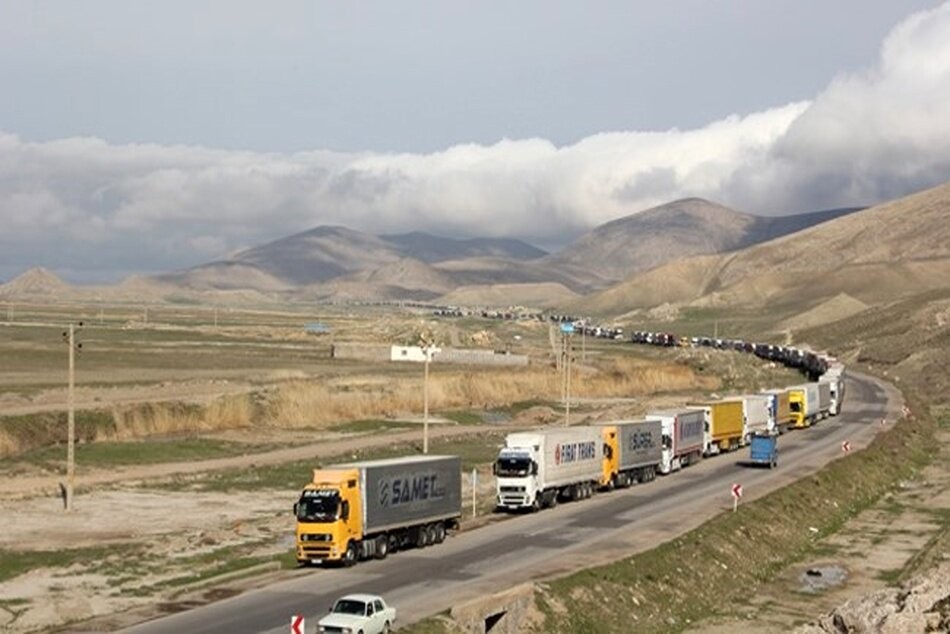
Iran is accelerating development of alternative land transport corridors to bolster supply chain resilience amid geopolitical volatility and maritime vulnerabilities. Seyed Ali Emami, Director General of the Readiness and Support Office at Iran’s Trade Promotion Organization, stated that ensuring uninterrupted goods movement — not just market competitiveness — is now the core trade priority. With maritime routes dominating global cargo but facing growing risks at chokepoints like the Strait of Hormuz and Red Sea, Iran is piloting new land corridors as of August 2026. While exports show strong growth, transit volumes have declined — prompting infrastructure upgrades, cost-reduction measures, and policy reforms targeted for completion in 2026.

DP World launches 15,250-sq-m multi-client warehouse in Riyadh
Middle East Supply Chain

DP World launches 15,250-sq-m multi-client warehouse in Riyadh

DP World has opened its first multi-client 3PL warehouse in Saudi Arabia — a 15,250-square-metre facility in Riyadh’s Al Mashael Logistics Hub offering over 17,000 pallet positions. The non-bonded warehouse supports consumer goods, automotive, retail, industrial, and technology sectors, and integrates with DP World’s broader Saudi network, including the $250 million Jeddah Logistics Park. Launched on 30 July 2026, the project advances Vision 2030’s logistics goals amid rising demand from e-commerce and manufacturing. It follows strong regional growth, exemplified by stc Group’s SAR 40.1 billion H1 2026 revenue and 30.3 million mobile subscribers.

Hormuz Ship Backlog Spurs Bioinvasion Risk Alert
Middle East Supply Chain

Hormuz Ship Backlog Spurs Bioinvasion Risk Alert

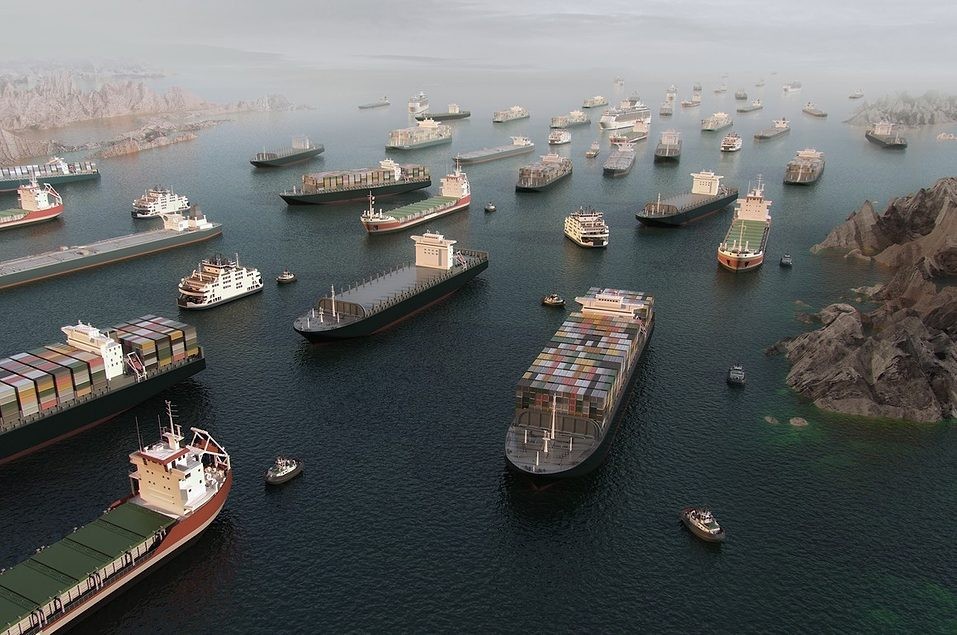
Scientists warn that over 1,500 ships stranded in the Strait of Hormuz since late February 2026 have accumulated dangerous levels of marine biofouling — including algae, mussels, and barnacles — raising high risks of global 'bioinvasion.' With vessels idle for at least 40 times longer than typical port stays, invasive species may spread to ports worldwide upon departure. A July 22, 2026 report urges mandatory hull inspections and cleaning before resuming voyages, and calls for coordinated early detection at receiving ports. The Strait of Hormuz, handling ~20% of global oil shipments, is now an ecological flashpoint with cascading supply chain and regulatory implications.

Welcome Back!

Login to your account below

Create New Account!

Fill the forms below to register

Retrieve your password

Please enter your username or email address to reset your password.

Scan to share via WeChat

Open WeChat and scan the QR code to share

QR Code

Add New Playlist