Skip to content

Africa Supply Chain

Africa’s Supply Chain Resilience Tested by Red Sea & Hormuz Crises

African supply chains—bolstered by $11.1bn in infrastructure funding and AfCFTA-driven intra-African trade growth to $220.3bn in 2024—are now tested by the Red Sea crisis and near closure of the Strait of Hormuz. These shocks drive up freight costs, delay shipments, disrupt fertiliser flows critical to agriculture, and strain trade finance access—especially for SMEs. Digital customs systems and AI-enabled scenario planning are emerging as vital tools, with clearance times improving 30–50% where digitisation is deployed. According to the source, resilience now hinges on end-to-end visibility and real-time decision coordination—not just physical infrastructure.

Original source: bizcommunity.com

Africa’s Supply Chain Resilience Tested by Red Sea & Hormuz Crises
📋 本文要点

African supply chains—bolstered by $11.1bn in infrastructure funding and AfCFTA-driven intra-African trade growth to $220.3bn in 2024—are now tested by the Red Sea crisis and near closure of the Strait of Hormuz. These shocks drive up freight costs, delay shipments, disrupt fertiliser flows critical to agriculture, and strain trade finance access—especially for SMEs. Digital customs systems and AI-enabled scenario planning are emerging as vital tools, with clearance times improving 30–50% where digitisation is deployed. According to the source, resilience now hinges on end-to-end visibility and real-time decision coordination—not just physical infrastructure.

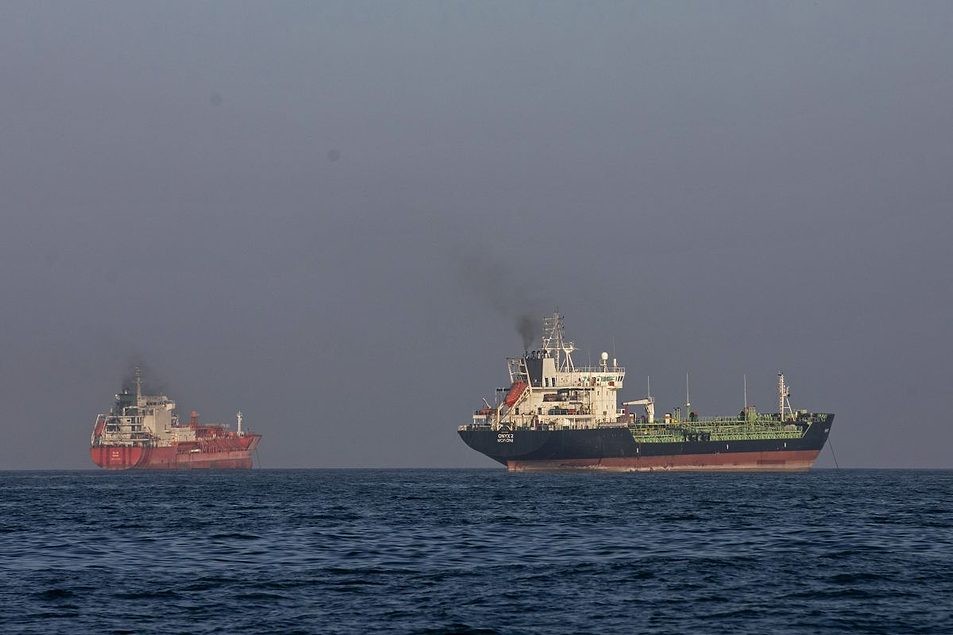
According to www.bizcommunity.com, African supply chains—recently strengthened by infrastructure investment and trade integration—are now facing a real-world stress test amid escalating geopolitical tensions, including the third-year Red Sea crisis and the near closure of the Strait of Hormuz.

Progress Amid Persistent Gaps

Post-pandemic efforts have yielded measurable gains: the African Development Bank committed $11.1bn between 2024 and 2025 for port and logistics upgrades, supporting projects like Nigeria’s Lekki Deep Sea Port and improved performance at South Africa’s Cape Town and Ngqura ports. The Africa Continental Free Trade Area (AfCFTA) has advanced regional integration, helping push intra-African trade to $220.3bn in 2024, a 12.4% year-on-year increase. However, the source states AfCFTA remains ‘a work in progress’—with tariff schedules, digital trade protocols, customs harmonisation, and non-tariff barriers still under development.

Converging Shocks on Key Sectors

The dual disruptions are compounding pressure across African supply chains:

  • Higher freight costs and longer lead times
  • Elevated fuel prices and fertiliser disruption
  • Tighter access to trade finance, especially for SMEs

Agriculture is especially exposed: East and Southern Africa rely heavily on Gulf-sourced fertiliser, and Hormuz-related shipping cost spikes threaten planting cycles, food production, and household budgets. The source states, ‘Disruption in Hormuz raises shipping costs and threatens planting cycles, food production, and ultimately food security.’

Digitalisation as Operational Resilience

Digital customs systems, single windows, electronic cargo tracking, and trade portals are reducing border friction. In digitised markets, clearance times have improved by 30% to 50%. According to the report, ‘Digital trade facilitation has already shown what practical resilience looks like: less paperwork, better visibility, fewer delays, and more predictable movement of goods.’

AI-enabled forecasting and scenario modelling are no longer theoretical: they enable real-time rerouting decisions, impact assessment of fuel spikes or supplier failure, and cross-functional coordination. As the source explains, ‘The real value is not automation for its own sake, but the ability to guide decisions in real time, coordinate actions across previously disconnected functions, and keep the wider value chain in sync as conditions shift.’

Source: www.bizcommunity.com

Compiled from international media by the SCI.AI editorial team.
Ask SCI.AI Finished reading? Continue with SCI.AI. Explore the related policy, route, company and historical context. Continue asking
Maersk, Hapag-Lloyd resume Red Sea route amid capacity relief
Africa Supply Chain

Maersk, Hapag-Lloyd resume Red Sea route amid capacity relief

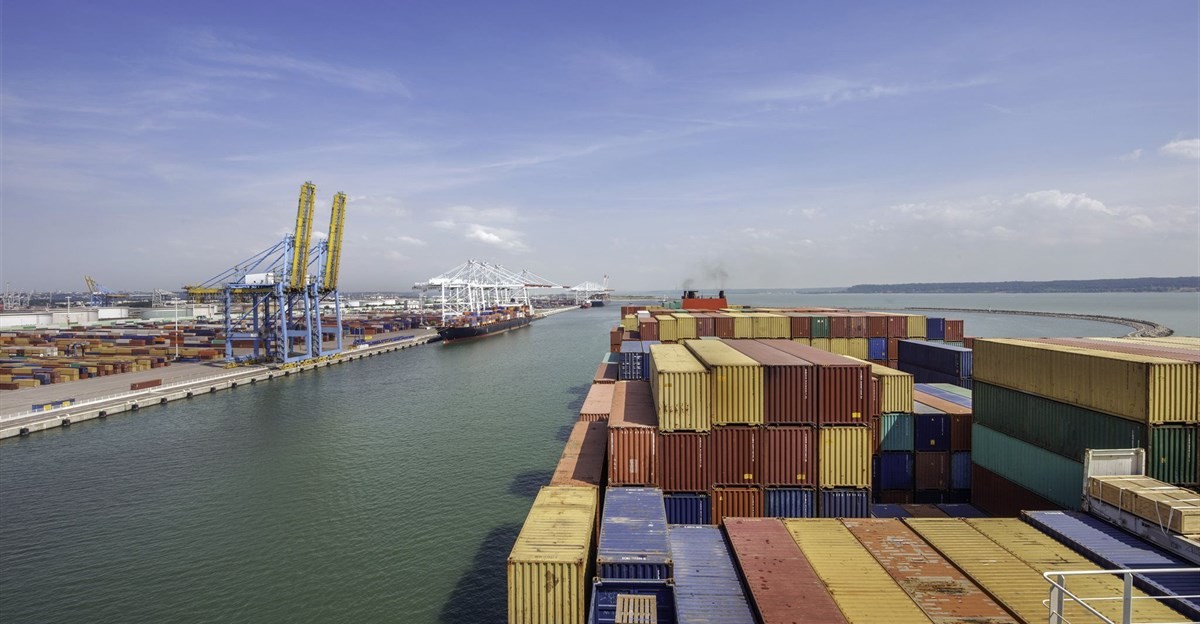
A.P. Moller-Maersk and Hapag-Lloyd announced on July 6, 2026, they are resuming Red Sea and Suez Canal transit for select Asia–Europe services — the first major carrier alliance to do so since late 2023. The move follows security reassessments and aims to alleviate vessel capacity constraints that drove spot rates up 37% in recent weeks. Maersk shares fell 9%, Hapag-Lloyd dropped 4.6%, reflecting market expectations of rate normalization. The Majestic Maersk, currently near Oman, will be the first redirected vessel. The Cape of Good Hope detour added ~14–18 days and $250,000–$350,000 in fuel costs per round trip.

DP World pledges $4B Africa expansion amid 75% fuel cost surge
Africa Supply Chain

DP World pledges $4B Africa expansion amid 75% fuel cost surge

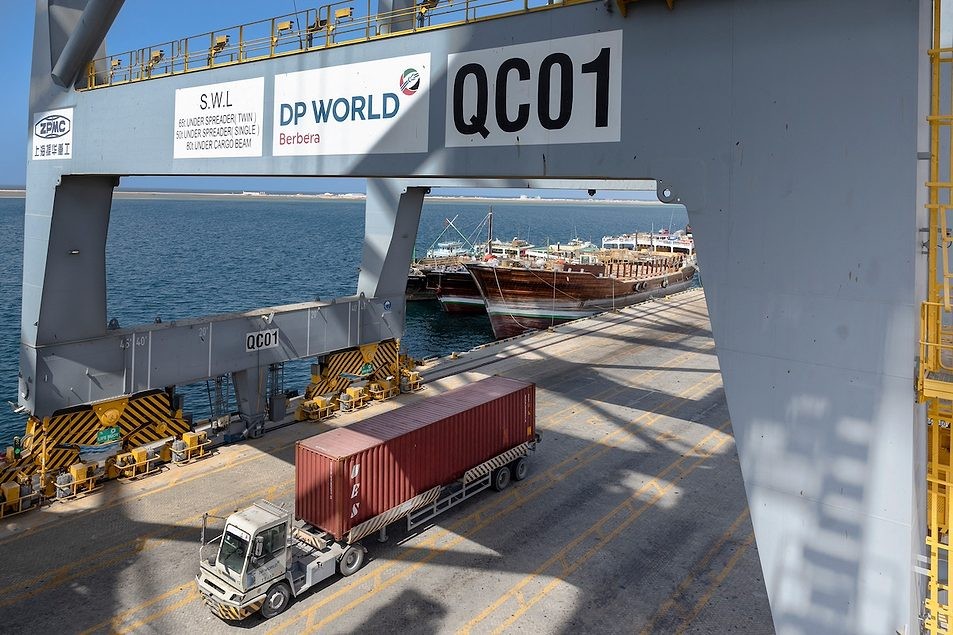
DP World reaffirms its $4 billion investment pledge in African port and logistics infrastructure despite a 75% fuel price surge in South Africa and disruptions caused by the Strait of Hormuz closure. CEO Mohammed Akoojee confirmed ongoing projects including Maputo Port expansion and the DRC’s first deep-water port, due in Q1 next year. The company operates 7,000+ trucks across Africa and is shifting toward integrated logistics ecosystems linking Tanzania, Rwanda, Zambia, and Congo.

Global Hunger Falls to 645M in 2025 Amid Conflict Risks
Africa Supply Chain

Global Hunger Falls to 645M in 2025 Amid Conflict Risks

Global hunger fell to 645 million people (7.8% of the world population) in 2025, marking the third straight annual decline since pandemic-driven spikes. Yet conflicts — especially in the Middle East — and climate shocks threaten reversal, with the UN World Food Programme warning that 45 million more could face acute food insecurity if the Iran war continues and oil exceeds $100/barrel. Africa remains the epicenter: one in five people there were undernourished in 2025, and the UN projects 56% of the world’s hungry will live there by 2030. Supply chain professionals must now integrate humanitarian risk data into logistics planning, particularly across Red Sea and Suez Canal corridors.

Welcome Back!

Login to your account below

Create New Account!

Fill the forms below to register

Retrieve your password

Please enter your username or email address to reset your password.

Scan to share via WeChat

Open WeChat and scan the QR code to share

QR Code

Add New Playlist