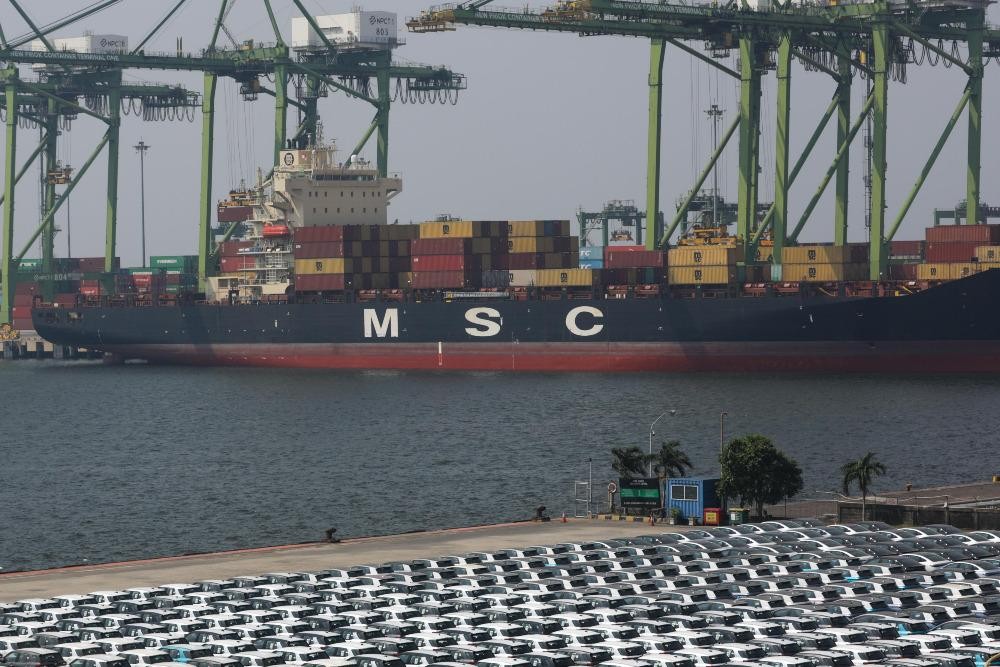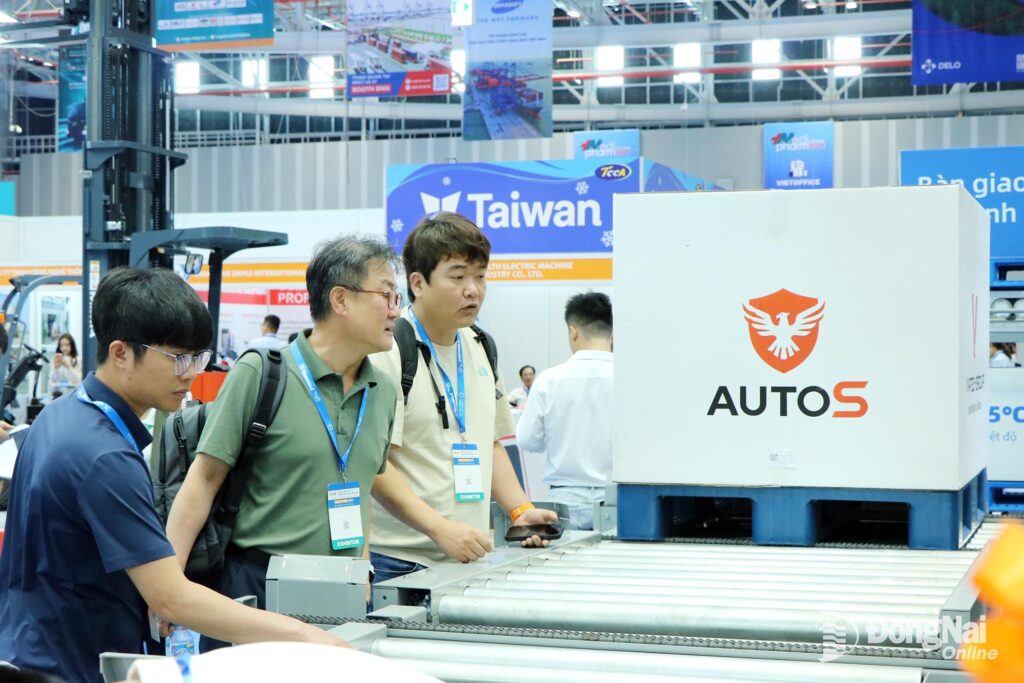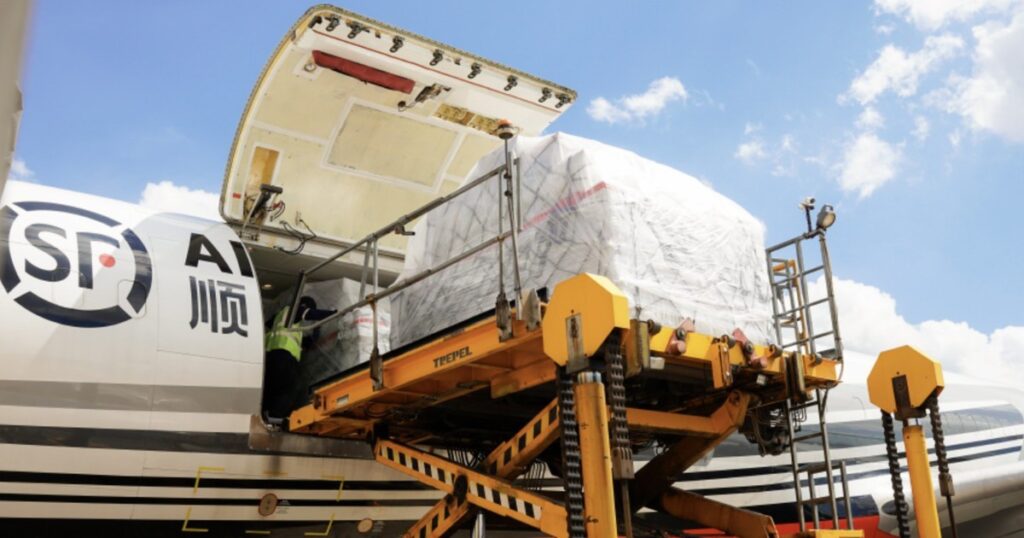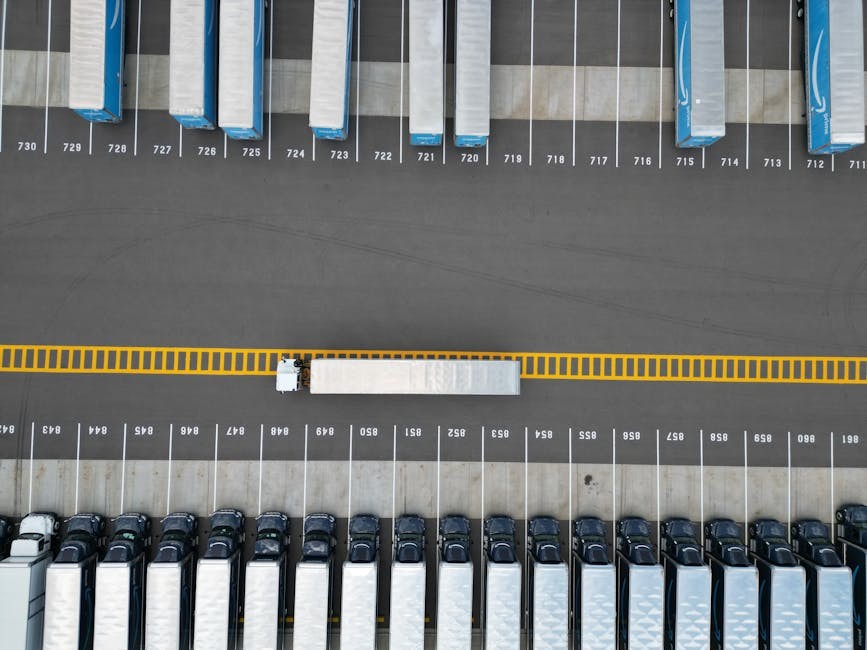
A report by the ASEAN+3 Macroeconomic Research Office (AMRO) confirms China has become Asia’s primary regional supply chain hub over the past two decades — shifting from a Japan-centered model to a denser, China-anchored network. Key drivers include expanding manufacturing capacity, logistics infrastructure, and centrality in intermediate goods trade. In 2025, China–ASEAN trade exceeded $1 trillion (+7.4% YoY), and the region’s share of global FDI surpassed 30% post-RCEP. The AMRO report emphasizes interdependence — not one-way reliance — citing two-way flows of electronics, agricultural goods, auto parts, and consumer demand. Regional upgrades in Vietnam, Thailand, and Malaysia reflect complementary, value-chain-driven integration.
According to en.people.cn, a report released on Monday by the ASEAN+3 Macroeconomic Research Office (AMRO) states that over the past two decades, China has become the primary hub of supply chains within the Asia region.
Structural Shift from Japan-Centered to China-Anchored Networks
The AMRO report notes that ASEAN+3’s economic linkages have undergone a fundamental transformation compared with two decades ago. Regional production networks have evolved from a Japan-centered hub into a denser, more interconnected architecture anchored by China. The report explicitly attributes China’s hub status to its expanding manufacturing capacity, logistics infrastructure, and central position in intermediate goods trade.
Technological Upgrading and Industrial Resilience
China’s manufacturing sector is transitioning toward technological sophistication. Through initiatives promoting the high-quality development of key industrial chains and rebuilding the industrial base, China has achieved breakthroughs in core technologies such as integrated circuits, industrial machine tools, and new-energy vehicles. The reliability of its industrial chains has steadily improved, providing stable supplies for the regional production network.
Multidirectional Interdependence, Not Unidirectional Dependence
The AMRO report describes the region’s supply linkages as “interdependence rather than unidirectional dependence on China.” China is not only a provider of intermediate goods but also a huge source of demand for end consumer goods. Agricultural products and electronics from ASEAN countries, as well as core components and high-end materials from South Korea, are exported to China in large volumes. Simultaneously, Chinese consumer demand for imported automobiles, cosmetics, and chips creates significant market space for regional partners.
Hub-and-Node Development Across ASEAN+3
This complementary relationship has enabled neighboring countries to move up the value chain:
- Vietnam’s rise in electronic assembly
- Thailand’s emergence as a major automotive manufacturing center
- Malaysia’s growth in semiconductor packaging and testing
China provides large-scale manufacturing capacity and a complete supporting ecosystem, while neighboring countries leverage their comparative advantages to undertake specific links.
Institutional Enablers: RCEP and Trade Expansion
Regional institutional arrangements reinforce this dynamic. Mechanisms such as the Regional Comprehensive Economic Partnership (RCEP) and the China–ASEAN Free Trade Area have significantly lowered transaction costs and facilitated industrial chain integration. In 2025, total trade between China and ASEAN exceeded $1 trillion for the first time, up 7.4 percent year on year. In the four years since RCEP took effect, the region’s share of global foreign direct investment has surpassed 30 percent.
Market Scale and Strategic Sectors Driving Integration
Asia’s vast market — home to more than 4 billion people, with a relatively high proportion of young people — provides structural resilience. Coupled with digital and green transitions, this domestic market guides industrial chains toward higher value-added segments through consumption upgrading. China has built leading advantages in emerging fields including photovoltaics, lithium batteries, new-energy vehicles, 5G communications, and artificial intelligence.
“Supply-chain links have always been two-way… This pattern reflects rational choices made by all sides based on their comparative advantages.” — Source: en.people.cn
Source: en.people.cn
Compiled from international media by the SCI.AI editorial team.