Skip to content

Geopolitics · Risk & Resilience · Trade & Tariffs

Strait of Hormuz Blockade Threat Raises Supply Chain Risk

According to apnews.com, the Trump administration has announced a US military blockade near the Strait of Hormuz to pressure Iran — threatening one of the world’s most vital maritime chokepoints. The source states oil prices rose and global markets fell in response. With ~20% of global seaborne oil passing through the strait, supply chain professionals face acute risks: rerouting delays, surging insurance costs, port congestion, and exposure to upstream material shortages. This follows documented Red Sea disruptions that diverted 60% of container traffic and spiked freight rates over 300%.

Original source: apnews.com

Strait of Hormuz Blockade Threat Raises Supply Chain Risk

According to apnews.com, the Trump administration has announced a US military blockade near the Strait of Hormuz as part of efforts to pressure Iran — a move with direct implications for global maritime trade and supply chain continuity.

Geopolitical Action with Maritime Consequences

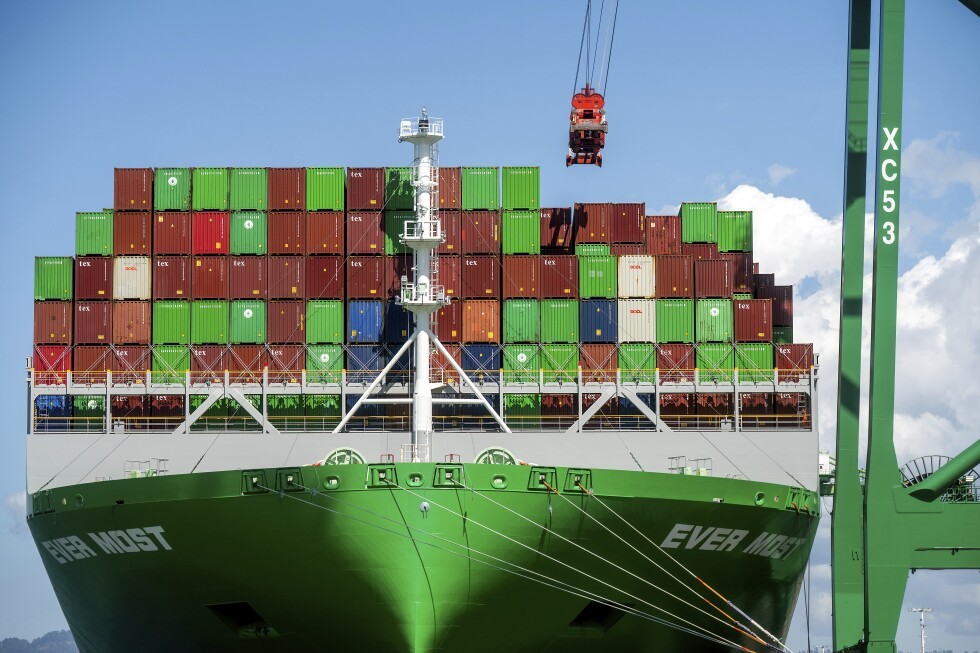
The source states that the US military has blockaded Iranian ports and is implementing a naval presence near the Strait of Hormuz. This narrow waterway handles approximately 20% of the world’s seaborne oil and remains a critical chokepoint for containerized cargo, liquefied natural gas (LNG), and bulk commodities moving between Asia, Europe, and the Middle East.

Documented Impacts on Global Markets

The report notes that global markets reacted swiftly: oil prices surged and global markets fell in response to the announcement. It also highlights how such actions could trigger cascading disruptions — including rerouting delays, increased insurance premiums, port congestion at alternative hubs like Jebel Ali or Singapore, and heightened scrutiny of vessel transits under new security protocols.

Broader Context for Supply Chain Professionals

This development follows years of escalating regional tensions affecting key trade corridors. Since 2023, attacks on commercial vessels in the Red Sea have already forced over 60% of container ships bound for Northern Europe to divert around Africa — adding 10–14 days to voyages and raising freight rates by more than 300% at peak (per publicly reported Alphaliner and Drewry data). The Strait of Hormuz represents an even more concentrated vulnerability: unlike the Red Sea, it lacks viable large-scale alternatives. A sustained blockade or hostile incident here would likely compel immediate rerouting via the Suez Canal (if operational) or Cape of Good Hope — both increasing transit time, fuel consumption, and emissions exposure.

For procurement and logistics teams, this reinforces the urgency of mapping Tier-2 and Tier-3 suppliers reliant on Gulf-sourced materials (e.g., petrochemical feedstocks, sulfur, aluminum) and validating contingency plans for air freight uplifts or bonded warehouse buffers in Dubai, Bahrain, or Oman. Real-time AIS tracking, war risk insurance reviews, and dual-sourcing assessments are no longer optional — they are operational imperatives.

Source: apnews.com

Compiled from international media by the SCI.AI editorial team.

Ask SCI.AI Finished reading? Continue with SCI.AI. Explore the related policy, route, company and historical context. Continue asking
Singapore climate envoy: climate is ‘mother’ of supply chain disruption
Disruptions

Singapore climate envoy: climate is ‘mother’ of supply chain disruption

Singapore's climate action ambassador Ravi Menon called climate change the "mother of all" supply chain disruptions at the Bloomberg Sustainable Business Summit 2026. Using El Niño as an example, he explained how climate events cascade through food systems, hydroelectric power, and energy supply chains. Menon also highlighted grid infrastructure and battery storage as key investment opportunities, arguing that private capital must complement public and philanthropic funding to drive climate action.

BHP faces A$120M/day loss as 48-hour Port Hedland strike looms
Disruptions

BHP faces A$120M/day loss as 48-hour Port Hedland strike looms

BHP faces a A$120 million per day revenue loss as a 48-hour strike at Port Hedland, the world's largest iron ore export terminal, begins August 8, 2026. The two-phase action by the Combined Ports Unions involves ~150 workers, targeting ship-loading and full operations. With 256.9 million tonnes exported in FY2026, the disruption tests supply chain resilience.

China’s exports rise 14%, imports up 22% amid trade war resilience
Supply Chain

China’s exports rise 14%, imports up 22% amid trade war resilience

China’s foreign trade rose 17.3% to ¥30.13 trillion in the first seven months of 2026, with exports up 14% and imports surging 22%. High-tech exports jumped over 50% in July, accounting for nearly 60% of monthly export growth. U.S.-China trade fell 1.6%, while ties with over 180 countries—including ASEAN and the EU—expanded. Green exports like EVs and lithium batteries posted double-digit growth for the 17th straight month. China also applies zero tariffs to imports from 63 countries.

Welcome Back!

Login to your account below

Create New Account!

Fill the forms below to register

Retrieve your password

Please enter your username or email address to reset your password.

Scan to share via WeChat

Open WeChat and scan the QR code to share

QR Code

Add New Playlist

