Skip to content

Africa Supply Chain

Lobito Corridor Railway Launches 2026, $5B Boost to Zambian Supply Chains

The Lobito Corridor railway — an 830-kilometer, $5 billion project led by the Africa Finance Corporation — begins construction in 2026 and targets completion by 2030. It will link Zambia’s Copperbelt to Angola’s Lobito Port, cutting export transit times and costs for copper and other commodities. With $553 million from the U.S. and $1.2 billion from China supporting complementary infrastructure, the corridor strengthens Zambia’s role in regional trade. According to the source, it will generate thousands of jobs and expand opportunities in agriculture, manufacturing, and cross-border logistics with Angola and the DRC.

Original source: zambianobserver.com

📋 本文要点

The Lobito Corridor railway — an 830-kilometer, $5 billion project led by the Africa Finance Corporation — begins construction in 2026 and targets completion by 2030. It will link Zambia’s Copperbelt to Angola’s Lobito Port, cutting export transit times and costs for copper and other commodities. With $553 million from the U.S. and $1.2 billion from China supporting complementary infrastructure, the corridor strengthens Zambia’s role in regional trade. According to the source, it will generate thousands of jobs and expand opportunities in agriculture, manufacturing, and cross-border logistics with Angola and the DRC.

According to zambianobserver.com, construction of the Lobito Corridor railway project is set to begin in 2026, with completion targeted for 2030. The 830-kilometer rail line will connect Zambia’s Copperbelt and North-Western Province to the Lobito Port in Angola — providing a direct Atlantic export route for landlocked Zambia.

Project Scope and Strategic Backing

The project is being spearheaded by the Africa Finance Corporation and is valued at approximately $5 billion. It represents the largest railway initiative in Zambia since the TAZARA Railway was built in the 1970s. The source states that the United States is investing $553 million in upgrades on the Angolan side of the corridor, while China is contributing $1.2 billion to revitalize the TAZARA line — reinforcing Zambia’s role as a strategic node in regional and global trade infrastructure.

Economic and Supply Chain Impacts

According to the report, the Lobito Corridor is expected to deliver four primary benefits:

  • Faster, cheaper exports: Direct access to Lobito Port will significantly reduce transport time and costs for copper and other exports.
  • Job creation: The scale of construction will generate thousands of jobs across engineering, logistics, and local supply chains.
  • Expanded trade corridors: Beyond mining, the railway will unlock opportunities in agriculture, manufacturing, and cross-border trade with Angola and the Democratic Republic of the Congo.
  • Global investment momentum: The coordinated funding from the U.S. and China signals growing international confidence in Zambia’s logistical integration.

Context for Supply Chain Professionals

For global supply chain professionals, the Lobito Corridor addresses long-standing bottlenecks in Central African freight movement. Historically, Zambian copper exports relied heavily on South Africa’s Richards Bay or Dar es Salaam in Tanzania — routes adding days and cost due to distance and port congestion. The new corridor offers a shorter, more predictable alternative aligned with the African Continental Free Trade Area (AfCFTA) goals. Its multimodal design — integrating rail, port, and road links — supports just-in-time delivery models for mining equipment, agro-processed goods, and industrial inputs. Practitioners should monitor tender timelines, customs harmonization progress between Zambia, Angola, and DRC, and early adoption patterns among major mining firms like First Quantum Minerals and Barrick Gold, both of which operate in the Copperbelt region.

Source: zambianobserver.com

Compiled from international media by the SCI.AI editorial team.
Ask SCI.AI Finished reading? Continue with SCI.AI. Explore the related policy, route, company and historical context. Continue asking
Maersk, Hapag-Lloyd resume Red Sea route amid capacity relief
Africa Supply Chain

Maersk, Hapag-Lloyd resume Red Sea route amid capacity relief

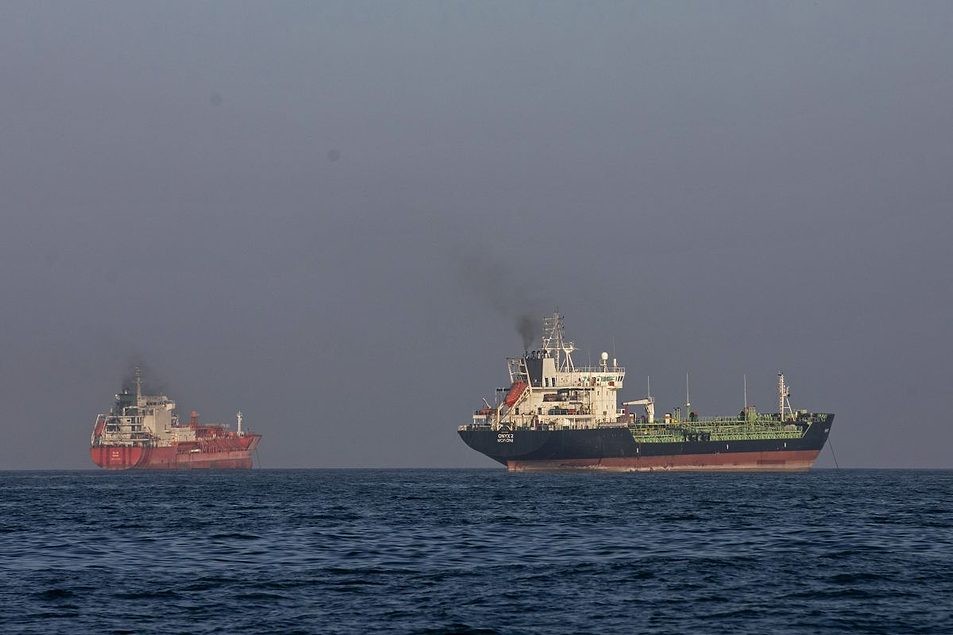
A.P. Moller-Maersk and Hapag-Lloyd announced on July 6, 2026, they are resuming Red Sea and Suez Canal transit for select Asia–Europe services — the first major carrier alliance to do so since late 2023. The move follows security reassessments and aims to alleviate vessel capacity constraints that drove spot rates up 37% in recent weeks. Maersk shares fell 9%, Hapag-Lloyd dropped 4.6%, reflecting market expectations of rate normalization. The Majestic Maersk, currently near Oman, will be the first redirected vessel. The Cape of Good Hope detour added ~14–18 days and $250,000–$350,000 in fuel costs per round trip.

DP World pledges $4B Africa expansion amid 75% fuel cost surge
Africa Supply Chain

DP World pledges $4B Africa expansion amid 75% fuel cost surge

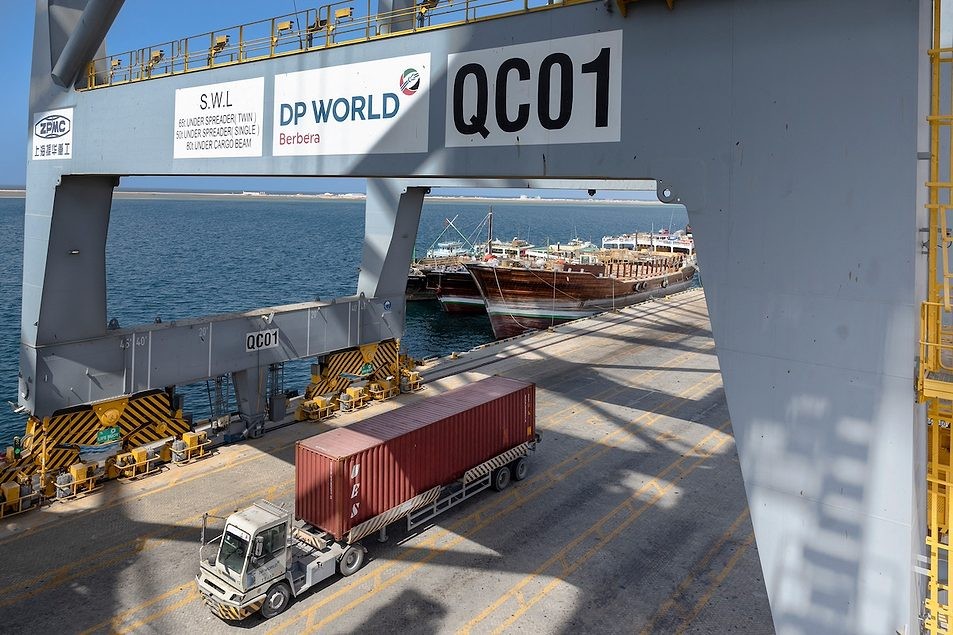
DP World reaffirms its $4 billion investment pledge in African port and logistics infrastructure despite a 75% fuel price surge in South Africa and disruptions caused by the Strait of Hormuz closure. CEO Mohammed Akoojee confirmed ongoing projects including Maputo Port expansion and the DRC’s first deep-water port, due in Q1 next year. The company operates 7,000+ trucks across Africa and is shifting toward integrated logistics ecosystems linking Tanzania, Rwanda, Zambia, and Congo.

Global Hunger Falls to 645M in 2025 Amid Conflict Risks
Africa Supply Chain

Global Hunger Falls to 645M in 2025 Amid Conflict Risks

Global hunger fell to 645 million people (7.8% of the world population) in 2025, marking the third straight annual decline since pandemic-driven spikes. Yet conflicts — especially in the Middle East — and climate shocks threaten reversal, with the UN World Food Programme warning that 45 million more could face acute food insecurity if the Iran war continues and oil exceeds $100/barrel. Africa remains the epicenter: one in five people there were undernourished in 2025, and the UN projects 56% of the world’s hungry will live there by 2030. Supply chain professionals must now integrate humanitarian risk data into logistics planning, particularly across Red Sea and Suez Canal corridors.

Welcome Back!

Login to your account below

Create New Account!

Fill the forms below to register

Retrieve your password

Please enter your username or email address to reset your password.

Scan to share via WeChat

Open WeChat and scan the QR code to share

QR Code

Add New Playlist