

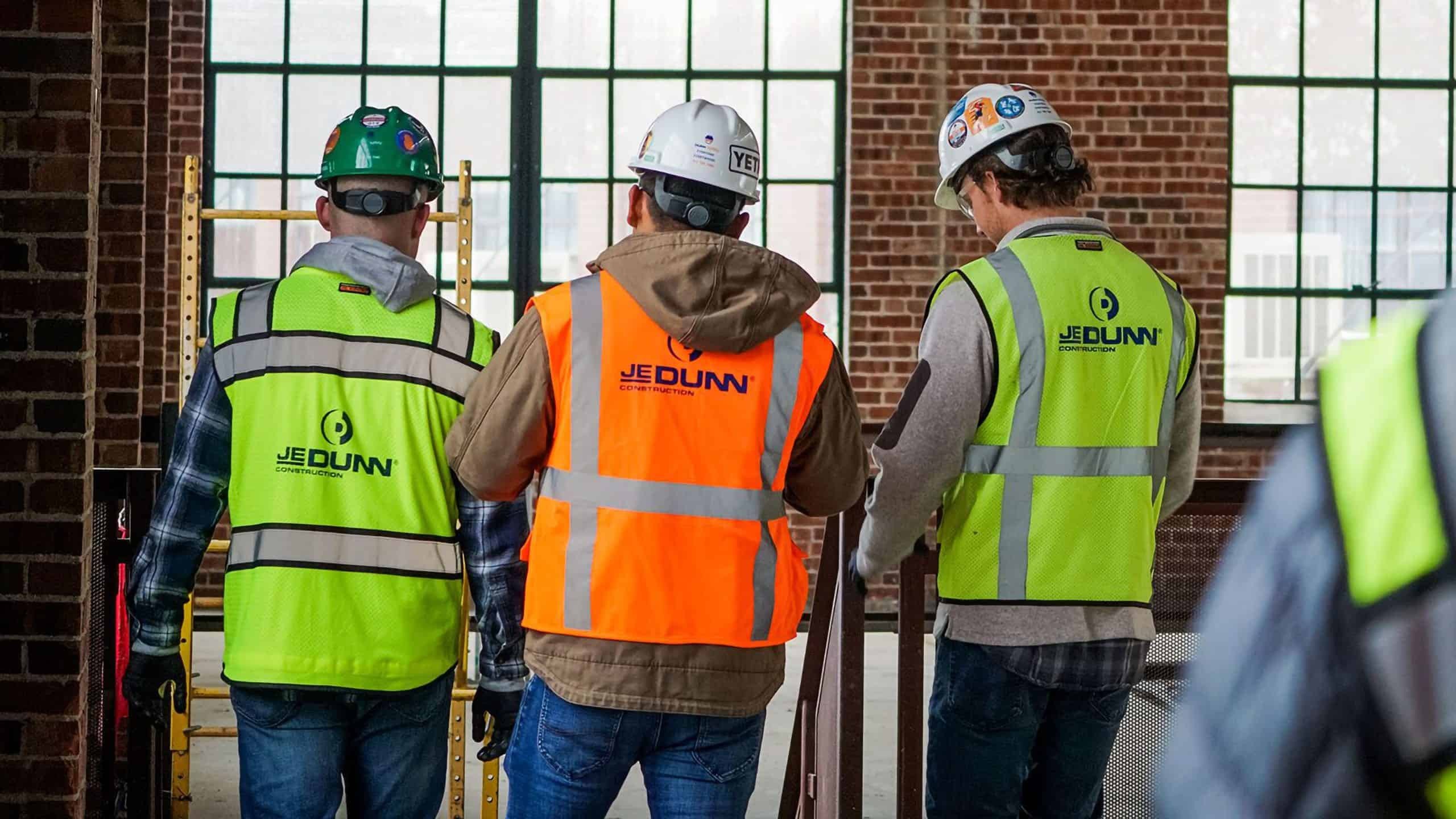
According to jedunn.com, 2026 and 2027 may represent the final period of relatively favorable conditions for U.S. manufacturing expansion—before intensifying resource constraints, expiring incentives, and rising project complexity significantly raise barriers to entry.
A Converging Set of Tailwinds
U.S. manufacturing investment is accelerating due to a rare alignment of drivers: growing demand for domestic and regional supply chains following years of global disruption; federal and state policies offering meaningful incentives—including enhanced tax deductions for qualifying facilities that break ground soon; and technology-driven productivity gains in automation, robotics, and data-driven operations that help close the cost gap with offshore production. When paired with modern facilities and access to skilled labor, these factors strengthen the business case for domestic capital investment.
Why the Window Is Closing
The very forces enabling growth are also tightening capacity. As more manufacturers advance projects, demand surges for industrial sites, utility capacity, specialized equipment, and experienced design-build partners—particularly in high-growth corridors serving automotive, food, energy storage, and advanced technology sectors. Incentives are time-bound: many facility-related tax benefits depend on construction start dates and when assets are placed in service. With policy, interest rates, and geopolitical priorities evolving, today’s environment is not guaranteed to persist three to five years out.
Rising Complexity Amid Compressed Timelines
Manufacturers are no longer building simple warehouse-style plants. They now commission highly automated facilities with strict environmental, quality, and safety requirements—demanding early integration of process equipment, utilities, digital infrastructure, and building systems from day one. To meet speed-to-market goals, leading companies are adopting full-service, turnkey delivery models that integrate planning, design, engineering, and construction. However, as adoption grows, the availability of teams capable of executing such complex industrial programs becomes a limiting factor.
Action Imperatives for Manufacturers
- Stress test long-term product and capacity assumptions
- Prioritize which facility investments must be in place by 2030 to support growth and resilience
- Engage an integrated partner early to align incentives, scope, and schedule with today’s industrial market realities
Early action secures control over three critical levers: site (power, water, logistics, workforce), schedule, and team. Waiting risks entering a market where supply chains are fully loaded, top partners are booked, and incentives have shifted or expired—leading to more compromises, higher risk, and fewer options when conditions change.
“The question for manufacturing leaders is not whether to invest but when. Moving now, while incentives are strong and capacity is available, it gives owners more control over three factors that matter most: site, schedule, and team.” — Shaun Alexander, Senior Client Solutions Manager, Industrial & Manufacturing, JE Dunn Construction
Shaun Alexander brings nearly 30 years in construction and 19 years with JE Dunn, with deep expertise in industrial project planning and delivery strategy. Jeremy Baum, Vice President and Kansas City Industrial & Manufacturing Market Leader, contributes over 20 years of experience leading complex industrial projects and high-performing teams.
Source: jedunn.com
Compiled from international media by the SCI.AI editorial team.


