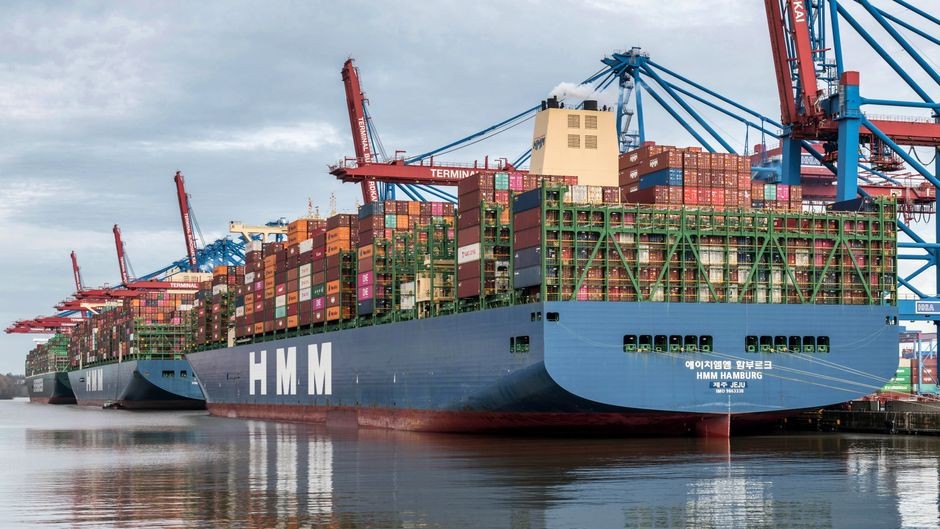
In 2026, EU customs digitalization is accelerating through ICS2 implementation, single window adoption (now covering 92% of member states), and standardized digital documentation. Real-time tracking, interoperability, and cross-agency data integration are reducing clearance times for compliant traders. Cybersecurity and staff training are critical enablers. Supply chain professionals must align internal systems and partner selection with these trends to avoid bottlenecks and leverage faster, more predictable trade flows.
According to dahnay.com, European customs and supply chain processes are being reshaped by digital transformation in 2026, with governments accelerating modernization of border procedures, data exchange, and trade friction reduction.
ICS2 Rollout and Risk-Based Controls
The EU Import Control System 2 (ICS2) is now fully rolled out and undergoing refinement across member states. Carriers and traders must submit advance cargo information significantly earlier in the supply chain — with several national authorities requiring full shipment data hours before arrival. This early submission enables customs to assess risk profiles sooner, reduce clearance delays for compliant businesses, and conduct security-focused screening prior to goods reaching European ports.
Single Window Adoption and Cross-Agency Integration
Linked to ICS2 is the growing adoption of single window concepts, allowing carriers and importers to submit documentation through a single integrated portal instead of filing multiple declarations with different agencies. Integration between customs systems and other government bodies — including sanitary and phytosanitary authorities — improves data flow and reduces redundancy. According to the source, this integration supports faster processing at border posts and lowers administrative burden for multinational operations.
Digital Documentation and Automated Validation
Digital trade documentation is gaining traction as paper-based paperwork continues to impede fast clearance. Electronic certificates of origin, digital invoices, and secure data exchange protocols are becoming standard. When documentation can be validated automatically by customs systems, errors and omissions are caught earlier and corrections made before cargo departure — reducing the likelihood of holds and detention at the border.
Real-Time Tracking and Interoperability Standards
Supply chain partners — including carriers, ports, and freight forwarders — are increasingly connecting systems to share location and status updates. This level of visibility supports better planning and proactive exception handling. For example, when a vessel is delayed or rerouted, stakeholders receive alerts early and can adjust operations without waiting for manual updates.
Regulatory Alignment and Data Standardization
Customs authorities across EU member states are moving toward common data formats and message standards. Standardized data requirements mean that a shipment processed in one country appears familiar to customs systems in another — supporting scalability and reducing administrative overhead for cross-border traders.
Cybersecurity and Data Integrity Priorities
With increased digitalization comes heightened focus on cybersecurity and data integrity. European customs systems process vast amounts of sensitive trade data, and the proliferation of digital platforms introduces new vulnerabilities. Authorities are investing in stronger encryption, authentication protocols, and monitoring systems. Businesses engaging with these systems must align with best practices for secure data exchange.
Operational Implications for Supply Chain Professionals
For companies trading with Europe, these trends create both opportunities and responsibilities. Digital customs procedures can speed clearance and reduce cost — but only when documentation is accurate and submitted on time. Supply chains leveraging real-time data exchange and integrated platforms gain better visibility and responsiveness. However, internal processes must adapt to evolving digital requirements, or bottlenecks will persist.
Training teams on new interfaces and protocols is essential — as people often become the weak link in digital transitions when unfamiliar with systems. Investing in skill development improves adoption and reduces errors common in early implementation stages.
Selecting logistics and customs brokerage partners who understand European digitalization trends is also critical. Providers supporting integrated data exchange and experienced with platforms like ICS2 help businesses avoid pitfalls. These partners translate regulatory updates into operational actions so compliance becomes part of planning — not an obstacle at the border.
“European customs and supply chain digitalization in 2026 is not about technology for its own sake. It is about transparency, risk based controls and predictable trade flows.” — DahNay Logistics, Blog Post, March 11, 2026
Digital readiness has evolved from a capability into a competitive advantage. Companies embracing digital customs processes and integrated supply chain visibility position themselves for smoother operations and more resilient trade performance.
Source: dahnay.com
Compiled from international media by the SCI.AI editorial team.