

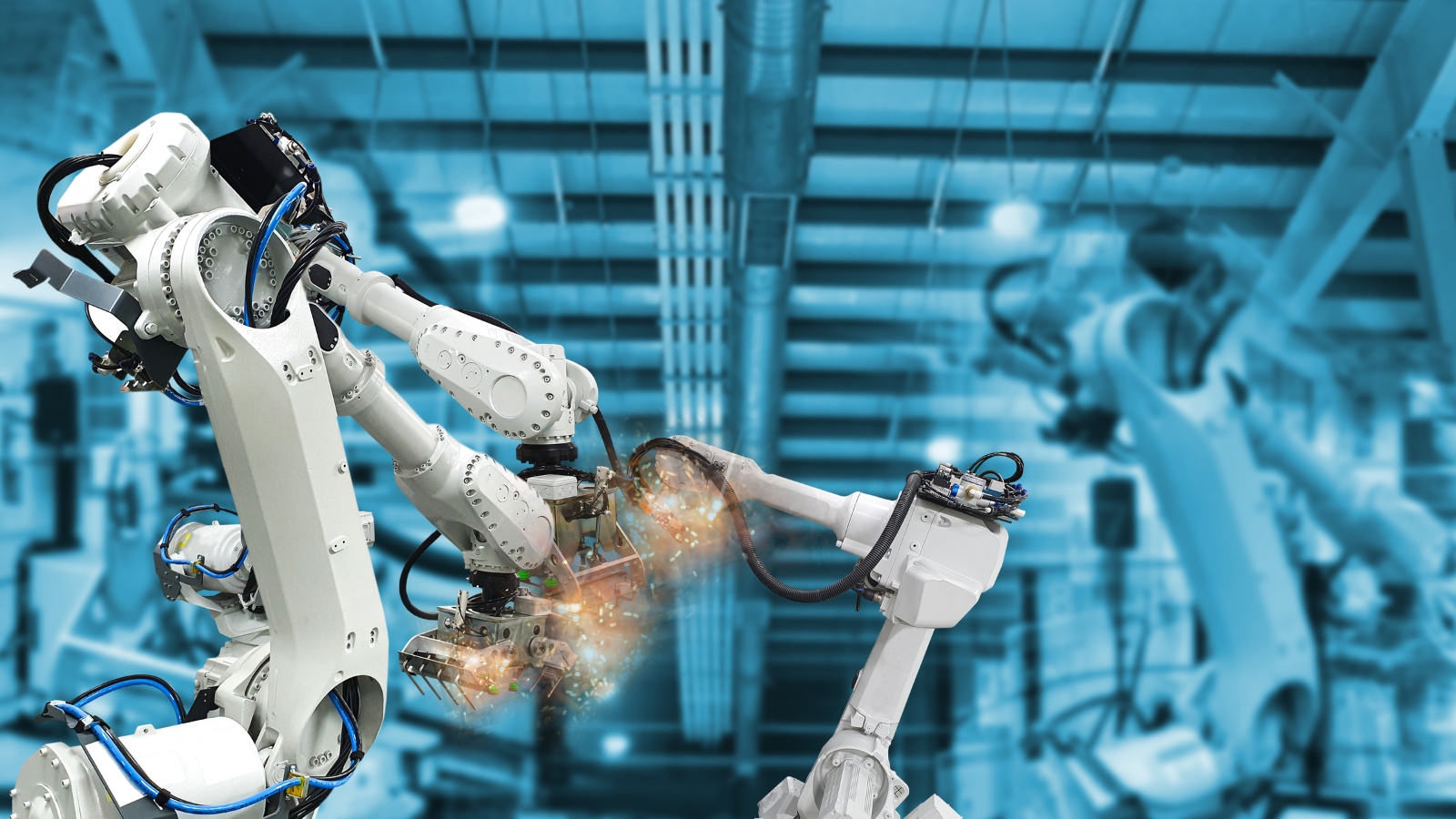
According to cerexio.com, smart manufacturing is evolving beyond Industry 4.0 foundations into autonomous, intelligent, and sustainable production systems by 2026 — driven by AI, Industrial Internet of Things (IIoT), cloud computing, and real-time analytics.
What Defines Smart Manufacturing Today
Smart manufacturing integrates advanced digital technologies — including AI, IIoT, robotics, and real-time data analytics — into production systems to enable continuous monitoring, process optimisation, and rapid response to demand fluctuations. Within the Industry 4.0 framework, it combines physical equipment with digital intelligence via cyber-physical systems, where machines are embedded with smart sensors capturing data on temperature, vibration, machine speed, and energy consumption.
Real-Time Data Powers Adaptive Operations
A defining feature of the smart factory is its capacity to capture and analyse real-time data across the production environment. Sensors and connected devices feed production monitoring systems that deliver instant insights into machine performance, inventory levels, and product quality. This visibility allows managers to identify bottlenecks and disruptions immediately.
Moreover, real-time data enables automated workflow management: systems can adjust operating parameters, schedule maintenance, and allocate resources dynamically. For instance, abnormal vibration patterns detected by sensors can trigger predictive maintenance alerts before equipment failure occurs.
From Automation to Intelligent, Self-Optimising Systems
Traditional industrial automation has long improved efficiency through high-speed, precise execution of repetitive tasks like assembly and packaging. But automation alone does not yield intelligence. The next evolution — intelligent manufacturing — uses AI and machine learning to analyse operational data and make autonomous decisions. These systems support self-optimising production processes that adapt to changing conditions without human intervention.
Emerging Capabilities Shaping 2026
- Predictive maintenance, powered by AI analysis of sensor data
- Digital twin simulations for virtual replication and testing of physical production systems
- Human-robot collaboration enhancing flexibility and safety on the shop floor
- Connected manufacturing ecosystems, integrating production equipment, supply chains, logistics platforms, and enterprise systems globally
This deep integration allows organisations to track equipment performance, production schedules, and supply chain conditions across facilities using real-time data — directly strengthening supply chain visibility and enabling faster, data-driven decision-making.
For global supply chain professionals, these developments mean tighter alignment between factory-floor execution and end-to-end logistics planning. Real-time machine health data informs procurement lead-time buffers; digital twin–validated production schedules improve forecast accuracy for warehousing and transportation; and connected ecosystems reduce information asymmetry between tier-1 suppliers and OEMs. As cerexio.com notes, smart manufacturing is not just about factory efficiency — it is a foundational enabler of responsive, resilient, and sustainable supply networks.
Source: cerexio.com
Compiled from international media by the SCI.AI editorial team.


