Skip to content

Coverage desk

Vietnam

88 published stories

Vietnam Targets 80% Digital Adoption in Agri-Logistics by 2030
Southeast Asia Supply Chain

Vietnam Targets 80% Digital Adoption in Agri-Logistics by 2030

Vietnam’s Agri-Logistics Digital Transformation Plan (2026–2030) mandates that 80% of agricultural logistics enterprises adopt digital technologies by 2030. The plan allocates VND 2.3 trillion ($92M) to support IoT, AI routing, blockchain traceability, and ERP integration. It targets 15–20% logistics cost reduction and 25% lower post-harvest losses. Six priority corridors will require e-certificates by 2028, cutting customs clearance time by 40%. At least 120 firms—including Vinafreight and Saigon Freight Services—will join Phase I by Q4 2026. A new national standard TCVN 12345:2026 enforces data interoperability and cybersecurity requirements.

Vietnam Faces 12.5% US Tariff, Tightens Traceability for Textiles, Electronics
Geopolitics

Vietnam Faces 12.5% US Tariff, Tightens Traceability for Textiles, Electronics

Vietnam faces a 12.5% U.S. tariff under Section 301 after being named among 60 economies under forced labour compliance investigation on 23 July 2026. In response, the Ministry of Industry and Trade issued Circular No. 31/2026/TT-BCT on 11 June 2026, mandating traceability for high-risk exports via the VeriGoods platform. Sectors including textiles, electronics, semiconductors, and renewable energy equipment must now document origins of raw materials, components, and manufacturing steps. The U.S. measure applies to inputs linked to forced labour — not just finished goods — raising compliance pressure across multi-tier supply chains. Vietnam’s domestic risk classifications diverge from U.S. assessments, requiring exporters to map deeper-tier suppliers and strengthen due diligence beyond first-tier contractors.

Vietnam Logistics Sees Global Supply Chain Shift Amid $1.2B Infrastructure Gap
Southeast Asia Supply Chain

Vietnam Logistics Sees Global Supply Chain Shift Amid $1.2B Infrastructure Gap

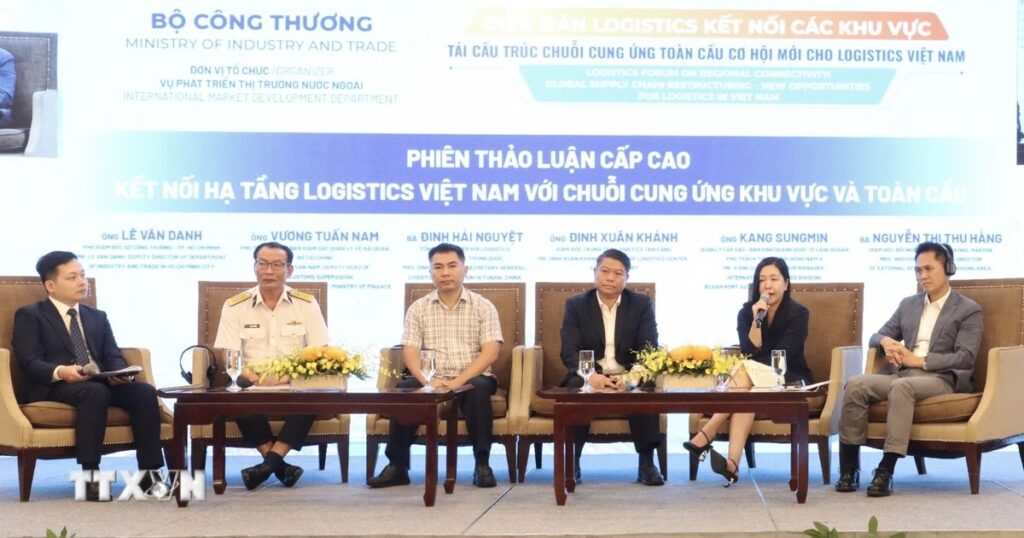
Vietnam’s logistics sector faces dual dynamics: rising global demand driven by supply chain diversification and persistent domestic bottlenecks—including high logistics costs, fragmented intermodal infrastructure, and limited digital integration. A July 2026 forum convened by the Ministry of Industry and Trade highlighted $1.2 billion in unmet infrastructure investment needs by 2030, while calling for coordinated action across government, industry, and exporters. Digital transformation and green logistics—backed by $210 million in fleet upgrades and 30% urban emission targets—are now central to national strategy.

Vietnam Logistics Costs Hit 16–17% of GDP, Above Global Average
Southeast Asia Supply Chain

Vietnam Logistics Costs Hit 16–17% of GDP, Above Global Average

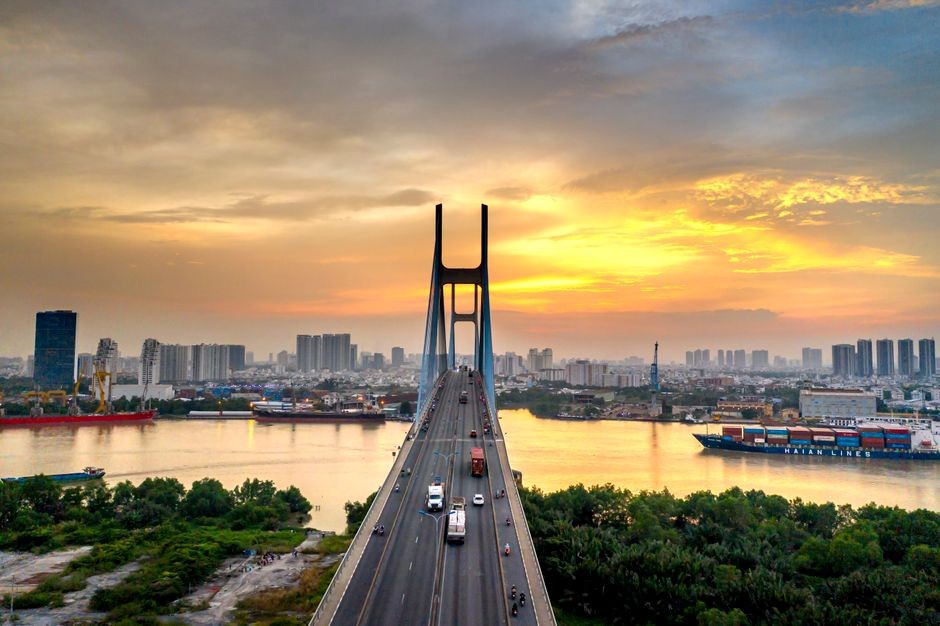
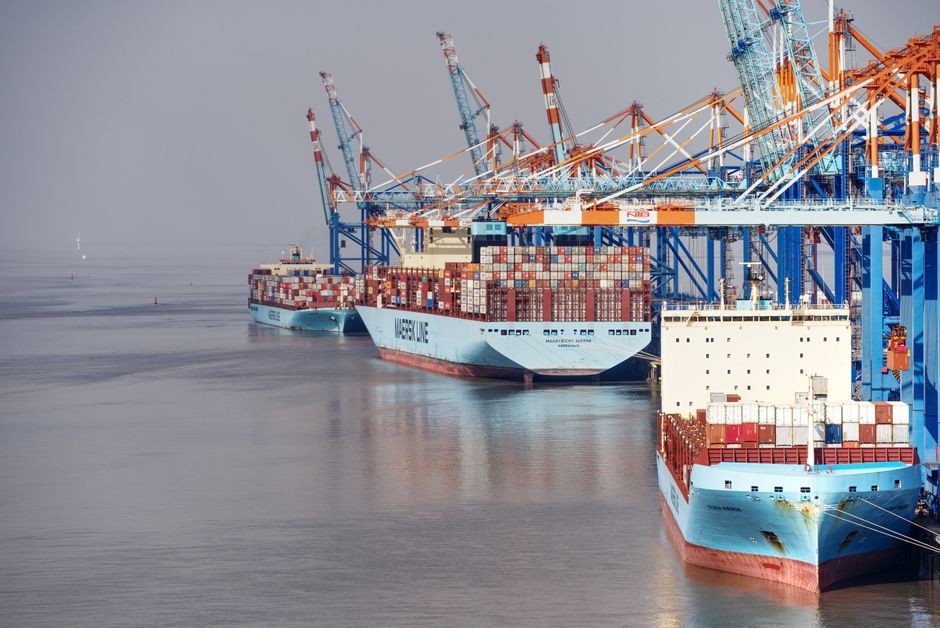
Vietnam’s logistics costs consume 16–17% of GDP — well above the global average of 10–12% and regional benchmark of 11.6%. APM Terminals’ Jian Dan cited fragmented multimodal systems, road overreliance, port congestion, and procedural inefficiencies as root causes. Despite this, Vietnam’s exports hit $475 billion in 2025, exceeding India’s $440 billion. With deepwater ports active at Cái Mép and Hải Phòng — and Đà Nẵng set to join as a new gateway — Vietnam is strategically positioned amid global supply chain shifts toward resilience and friend-shoring. Targeted rail upgrades, digital customs harmonization, and air cargo expansion offer near-term levers to cut domestic logistics costs.

Apparel Sourcing Nearshores, AI Use Triples by 2028
Procurement

Apparel Sourcing Nearshores, AI Use Triples by 2028

A new USFIA Fashion Benchmark Study, co-developed with Dr. Sheng Lu and Emilie Delaye, identifies four key apparel sourcing trends through 2028: accelerated nearshoring (with India’s U.S. import share rising to 12.4% in 2025), AI adoption tripling to 89% by 2028, India becoming the top beneficiary of sourcing reallocation (41% YoY UK export growth in Q1 2026), and ESG metrics transforming supplier selection (76% of managers now require verified water-use data). The report also highlights $30 million in Lululemon-MAS-backed funding for nylon recycling and a 37% reduction in audit cycle times using blockchain traceability.

Vietnam Logistics Targets 12–15% Growth Amid $550B Trade Surge
Southeast Asia Supply Chain

Vietnam Logistics Targets 12–15% Growth Amid $550B Trade Surge

Vietnam’s logistics sector is scaling amid record trade: $550B in import-export value for H1 2026, up 27.1% YoY. With export growth targeted at 15–16% for 2026, the government aims to cut logistics costs from 17% to 12–15% of GDP by 2035. The Logistics Development Strategy (2025–2035) sets 12–15% annual growth and 5–7% GDP contribution targets. Key enablers include port upgrades, multimodal integration, digitalization, green logistics, and FIATA World Congress 2025 in Hanoi. Participants included APM Terminals, Tan Cang Saigon, and Busan Port Authority.

DHL breaks ground on $71M logistics campus in Hung Yen
Last Mile

DHL breaks ground on $71M logistics campus in Hung Yen

DHL Supply Chain has broken ground on a $71.69 million logistics campus in Hung Yen, Vietnam — its largest Grade-A facility in Southeast Asia. Spanning over 82,500 square metres, Phase 1 opens in early 2027. The investment reflects Vietnam’s projected fourth-largest global merchandise trade growth (2026–2030), 6% annual trade expansion, and 87% export-dependent GDP. The campus links Hanoi’s Noi Bai Airport and Hai Phong Port via the Ha Noi–Hai Phong Expressway, serving tech, automotive, healthcare, and retail sectors. It aligns with Vietnam’s 2025–35 logistics strategy and supports Hung Yen’s 4,189 active investment projects worth $49.4 billion.

German Firm Inks Deal for Southeast Asia’s Largest A-Grade Logistics Complex in Vietnam
Southeast Asia Supply Chain

German Firm Inks Deal for Southeast Asia’s Largest A-Grade Logistics Complex in Vietnam

A German logistics developer has signed an agreement to construct Southeast Asia’s largest A-grade logistics complex in Vietnam’s Hiệp Phước Industrial Park. The move comes amid structural constraints in Vietnam’s domestic logistics sector — where foreign firms control 80% of import-export cargo flows — and rising demand from electronics (24% of park tenants) and food processing (11%) industries. Parallel development is underway at Becamex–Bình Phước Industrial Park, with 27 investors operational, 10 under construction, and 35 in legal setup. Workforce retention is being addressed via BIDV MetLife’s 'Future Gift' long-term welfare product.

Vietnam Logistics Targets 12–15% Annual Growth Amid Global Supply Chain Shift
Southeast Asia Supply Chain

Vietnam Logistics Targets 12–15% Annual Growth Amid Global Supply Chain Shift

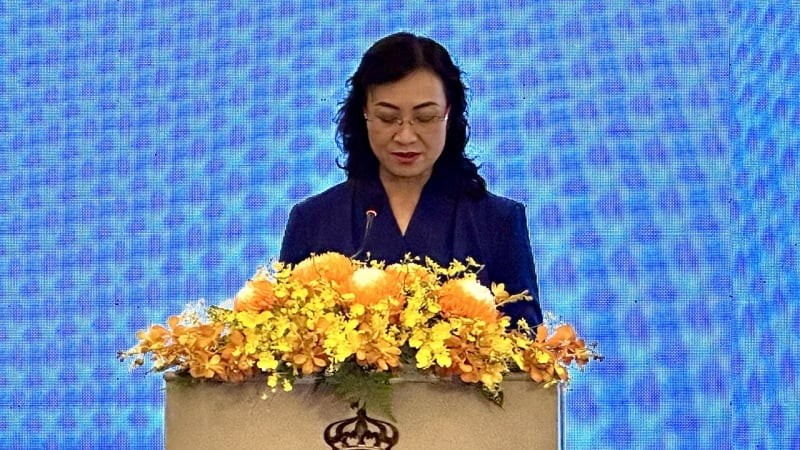
Vietnam’s logistics sector is scaling up amid global supply chain diversification, with national strategy targeting 12–15% annual growth and logistics costs falling from ~17% to 12–15% of GDP by 2035. Hồ Chí Minh City aims to become the southern regional coordination hub, while Quảng Trị and Hải Phòng advance large-scale logistics centers. Deputy Minister Phan Thị Thắng emphasized logistics’ role in investment attraction and global standing. Export growth targets are set at 15–16%, supporting a 10% minimum national GDP growth target.

Vietnamese billionaires lose $3.1B as VN-Index drops 3.6%
ESG & Regulation

Vietnamese billionaires lose $3.1B as VN-Index drops 3.6%

Vietnam’s seven billionaires collectively lost $3.1 billion in net worth during a single trading session on July 22, 2026, as the VN-Index plunged 3.6% to a four-month low. Vingroup’s stock hit its daily 7% limit, slashing founder Pham Nhat Vuong’s wealth by $2.4 billion to $31.6 billion. His sisters Pham Thu Huong and Pham Thuy Hang lost $304 million and $213 million respectively. VietJet Air’s Nguyen Thi Phuong Thao lost $163 million; Techcombank’s Ho Hung Anh lost $50 million. Masan Group’s Nguyen Dang Quang exited the billionaire list earlier in July after share declines.

Air Cargo Rates Ease Amid 17.6% Jet Fuel Surge
Supply Chain

Air Cargo Rates Ease Amid 17.6% Jet Fuel Surge

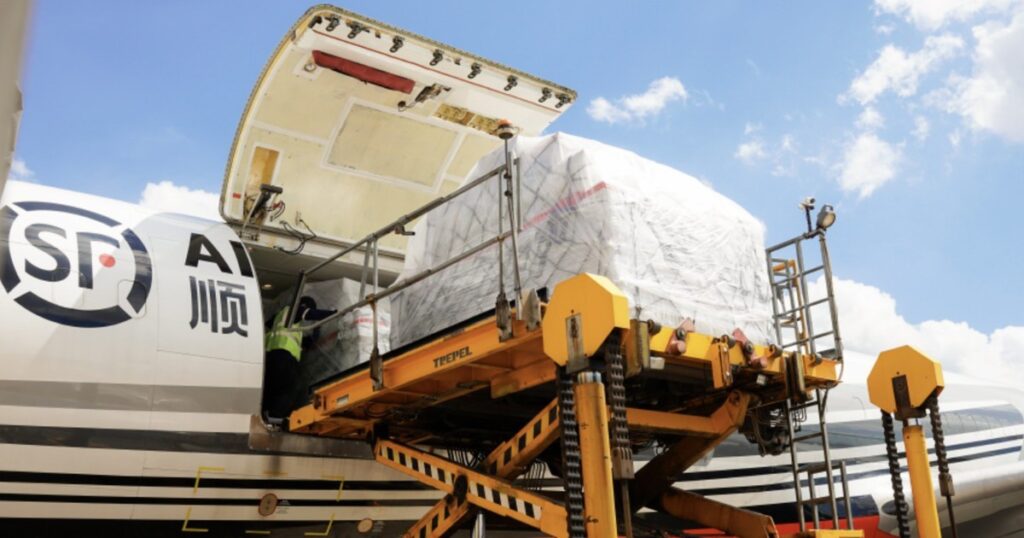
Air cargo carriers face tightening margins as spot rates ease on major Asia-Europe and Asia-US lanes — with Vietnam-US rates down 13.3% week on week — while jet fuel prices surge 17.6% to $149.40/barrel. Global freighter capacity grew only 1% week on week, with sharp cuts on Middle East routes. Etihad Cargo added a second Paris service; Cathay Pacific delayed Riyadh resumption. MSC ordered five 777-8 freighters; Alaska Airlines will double freighter capacity next year. The market remains in structural balance, not decline.

72% of Fashion Firms Diversify Sourcing Amid Tariff Concerns
Procurement

72% of Fashion Firms Diversify Sourcing Amid Tariff Concerns

Tariff and trade policy concerns top the 2026 agenda for fashion sourcing executives, according to the USFIA Fashion Benchmarking Study 2006. Seventy-two percent of firms are accelerating sourcing diversification, shifting volumes from China (27%) toward Vietnam (29%) and Bangladesh (23%). Contract renegotiations now take 14 fewer days on average, while 65% have added trade compliance roles since Q1 2025. Landed costs rose 5.3% in H1 2026 amid air freight premiums and MOQ constraints. A Tier-1 brand executive noted trading "8–10% margin compression today to avoid a potential 25% tariff shock tomorrow."

Welcome Back!

Login to your account below

Create New Account!

Fill the forms below to register

Retrieve your password

Please enter your username or email address to reset your password.

Add New Playlist