Skip to content

Coverage desk

Qatar

11 published stories

Helium Shortage Disrupts AI Chip Supply Chain: 30%–38% Global Supply at Risk
AI & Automation

Helium Shortage Disrupts AI Chip Supply Chain: 30%–38% Global Supply at Risk

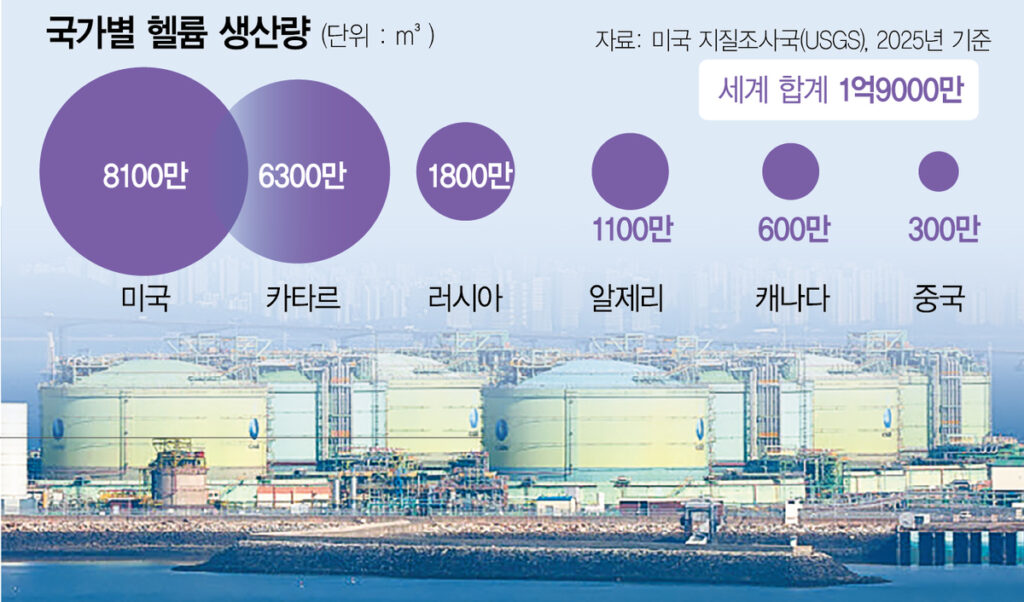
According to www.fool.com, Iranian strikes damaged Qatar’s Ras Laffan Industrial City — responsible for 30%–38% of global helium — triggering force majeure, doubling helium spot prices, and exposing a critical, non-substitutable dependency in AI chip manufacturing. With HBM chips sold out through 2026 and packaging lead times already at 1–2 years, companies like Samsung, SK Hynix, Micron, and TSMC face mounting pressure. The disruption highlights how Strait of Hormuz instability impacts semiconductor supply chains far beyond oil — a key risk for global supply chain professionals managing AI hardware scale-up.

GWC Group Q1 2026 Net Profit Hits QAR 33.7M Amid Supply Chain Disruption
Middle East Supply Chain

GWC Group Q1 2026 Net Profit Hits QAR 33.7M Amid Supply Chain Disruption

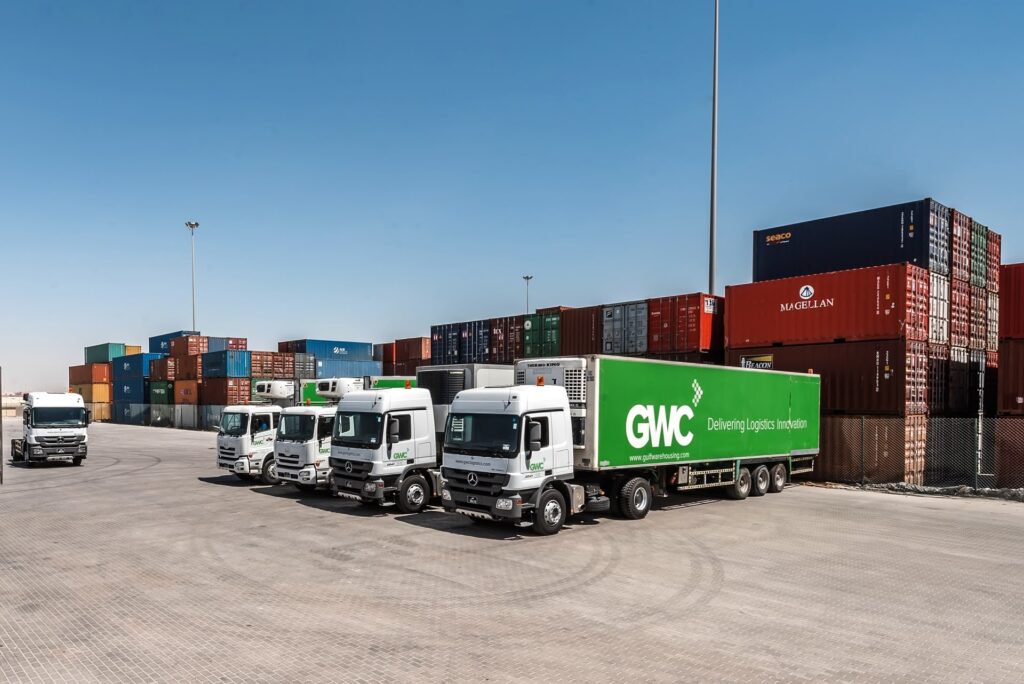
GWC Group reported QAR 33.7 million net profit for Q1 2026 — achieving full delivery of its operating plan despite an 86% drop in Strait of Hormuz vessel traffic and Qatar airspace suspension. In response, the Group activated three logistics corridors: a dedicated sea route, an air-land corridor via Riyadh, and a first-of-its-kind TIR-powered air-to-land corridor at Hamad International Airport. Leadership credited rapid execution, government partnership, and integrated infrastructure — including warehousing in Oman and Jeddah and bonded land transport across Saudi Arabia — for sustaining supply chain continuity. The Group’s international divisions more than doubled their revenue contribution over two years, with 95% client retention and 90% logistics park occupancy.

Middle East Air Freight Capacity Up 37% as Gulf Carriers Resume Flights
Manufacturing

Middle East Air Freight Capacity Up 37% as Gulf Carriers Resume Flights

DHL Global Forwarding reports steady restoration of air cargo capacity across the Gulf region, citing resumed operations by Emirates, Etihad, and Qatar Airways — with only Kuwait’s airport still closed. Rate levels show initial softening but remain significantly higher than pre-crisis. A new Muscat–Dubai flight alleviates road feeder congestion, while EASA’s security advisory postponed the Leipzig–Dubai–Hong Kong service. Ethiopian Airlines has resumed freighter flights into Dubai World Central. DHL confirms no plans to restart its Bahrain air hub. According to the source, shippers may consider air options for time-sensitive or dislocated cargo — though escalation risks demand rapid contingency planning.

Qatar LNG Crisis Threatens Semiconductor & Steel Supply Chains: Helium Prices +100%
Geopolitics

Qatar LNG Crisis Threatens Semiconductor & Steel Supply Chains: Helium Prices +100%

Qatar’s LNG force majeure declaration threatens South Korea’s semiconductor, steel, and shipping sectors. With 65% of Korea’s helium imports coming from Qatar — and Ras Laffan supplying one-third of global helium — a disruption risks wafer cooling bottlenecks. Helium spot prices jumped 100% in two weeks. Steelmakers like Hyundai Steel and POSCO use LNG for power and processing. Fifteen Korean LNG carriers are chartered to QatarEnergy, with one vessel at risk of contract termination in the Strait of Hormuz — now imposing $2M transit fees. The crisis accelerates scrutiny of Middle East energy dependence.

Qatar LNG Crisis Disrupts Helium Supply: 65% Korea Dependence
Geopolitics

Qatar LNG Crisis Disrupts Helium Supply: 65% Korea Dependence

Qatar’s LNG force majeure has exposed South Korea’s acute helium dependency: 65% of imports come from Qatar, and Ras Laffan supplies one-third of global helium. Spot prices jumped 100% in two weeks. Semiconductor firms hold six months’ inventory but warn of bottlenecks for AI chip production. Steelmakers like Hyundai Steel and POSCO use LNG for power and processing; shipping firms face charter risks amid $2M Strait of Hormuz tolls. Analysts say the episode accelerates diversification away from Middle Eastern energy.

Helium Supply Risk Rises: 64.7% of S. Korea’s Helium from Qatar
Supply Chain

Helium Supply Risk Rises: 64.7% of S. Korea’s Helium from Qatar

The Iran conflict and Qatari gas disruptions are tightening helium supply for Asia’s semiconductor industry, per ICO Optics. South Korea sources 64.7% of its helium from Qatar; Taiwan relies heavily on Qatari supply; Japan is relatively insulated but not immune. Fitch warns of rising tail risk, with helium buffers potentially depleting within six weeks — triggering higher costs, tighter allocations, and working-capital strain. Mitigation includes diversified contracts, 80%–90% helium recycling, and strategic stockpiling. Smaller chipmakers face disproportionate exposure without hedges or scale.

Helium Supply Risks: Asia’s Semiconductor Industry Faces Critical 3-Month Threshold
Geopolitics

Helium Supply Risks: Asia’s Semiconductor Industry Faces Critical 3-Month Threshold

Asia's semiconductor industry faces unprecedented helium supply risk as Iran conflict disrupts Qatar's gas infrastructure—threatening 78% of global chip production. With Qatar supplying 29% of world helium and Taiwan holding just 6.2 weeks of inventory, a sustained disruption could trigger fab curtailments within weeks. Financial implications are severe: helium spot prices surged 87% YoY, yield losses may hit 14.3% in 3nm nodes, and 17 Asian suppliers face covenant breaches if shortages persist. Regional exposure varies sharply—South Korea's 64.7% Qatari dependency contrasts with Japan's 15.7-week buffer. Mitigation requires helium circularity, diversification, and process innovation.

12% Global Air Cargo Capacity Lost Overnight: How Middle East Escalation Is Forcing Structural Supply Chain Rewiring
Supply Chain

12% Global Air Cargo Capacity Lost Overnight: How Middle East Escalation Is Forcing Structural Supply Chain Rewiring

The sudden loss of 12% of global air cargo capacity in February 2026 marks a structural turning point—not a temporary disruption. This analysis dissects how airspace closures in Doha, Dubai, and Abu Dhabi triggered irreversible corridor realignments, exposed the collapse of ocean substitution capacity, and forced shippers to adopt geopolitical risk portfolios. We examine why jet fuel costs now function as sovereign stress indicators, how 'capacity-as-a-service' contracts trade flexibility for stability, and why forwarders now require diplomatic liaison officers—not just logistics managers. Drawing on Xeneta data, carrier disclosures, and expert interviews, this piece reveals how supply chains are being rewired at the sovereign level.

Welcome Back!

Login to your account below

Create New Account!

Fill the forms below to register

Retrieve your password

Please enter your username or email address to reset your password.

Add New Playlist