Skip to content

Coverage desk

Brazil

52 published stories

Shein posts $99M Q1 loss amid de minimis repeal
Latin America Supply Chain

Shein posts $99M Q1 loss amid de minimis repeal

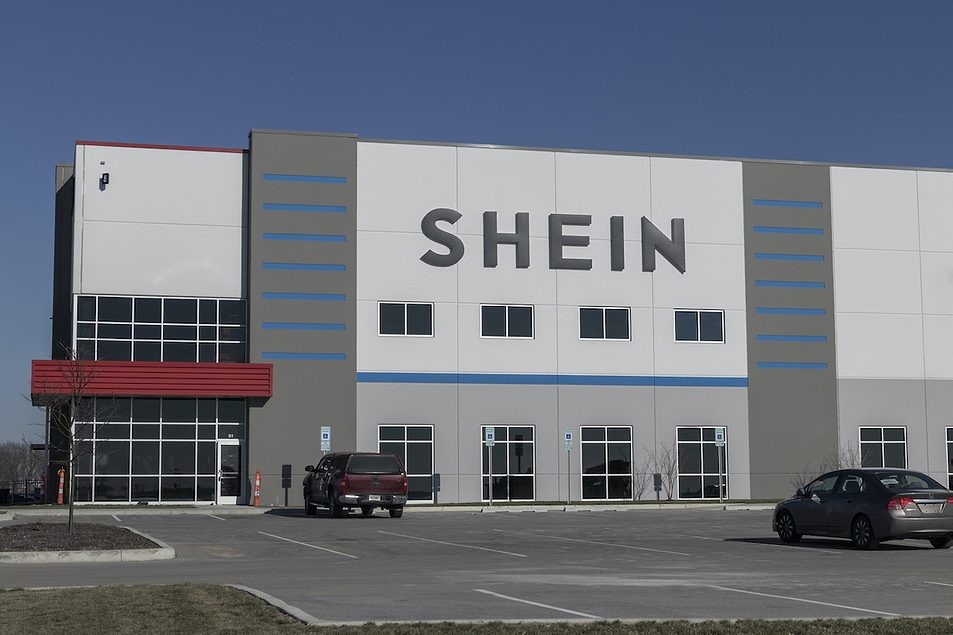
Shein reported a $99 million net loss for Q1 2026 — a sharp reversal from $395 million in profit a year earlier — driven primarily by the permanent repeal of the U.S. de minimis duty exemption in January 2025. The company cited added costs from U.S.-China tariff uncertainty and spillover effects from the U.S.-Israel war on Iran, which disrupted air cargo routes and cooled demand. Shein is raising U.S. prices and advancing its Hong Kong IPO plans while expanding nearshore manufacturing in Mexico and Vietnam. CBP has collected over $1 billion in new duties since the policy change.

EU-LatAm trade growth remains one-way: 10.6% drop in Jan
AI & Automation

EU-LatAm trade growth remains one-way: 10.6% drop in Jan

EU-South America container volumes fell in three of the first five months of 2026, including a 10.6% year-on-year drop in January, despite the EU-Mercosur trade deal entering force. In contrast, LatAm-to-EU trade grew 9.2%, 4.8%, 12.7%, 0.1%, and 10.8% across those same months, building on 2025’s 8.7% annual growth. Forwarders report rising quotation requests from European shippers targeting Latin America, especially in automotive, machinery, and pharma sectors. Meanwhile, South American exporters cite strong demand in Europe for coffee, fruit, refrigerated cargo, foodstuffs, pulp, and leather — though capacity constraints and the EU’s May 2026 beef export ban pose near-term headwinds.

US backs Madagascar rare earths project to counter China’s 85% supply share
Latin America Supply Chain

US backs Madagascar rare earths project to counter China’s 85% supply share

The United States is supporting a rare earth elements project in Madagascar to reduce dependence on China, which controls 85% of global rare earth processing. Backed by the U.S. Department of State and the Minerals Security Partnership, the initiative targets three priority geological zones in southern Madagascar and aligns with broader efforts including a $1.2 billion U.S.-Rwanda separation facility deal. Feasibility studies began in Q2 2024, with regulatory approvals anticipated by late 2025. The MSP — comprising 14 nations — has mobilized $3.2 billion across 20+ critical mineral projects since June 2022.

Brazil Supply Chain AI Adoption Stalls at 14% for Advanced Use
Southeast Asia Supply Chain

Brazil Supply Chain AI Adoption Stalls at 14% for Advanced Use

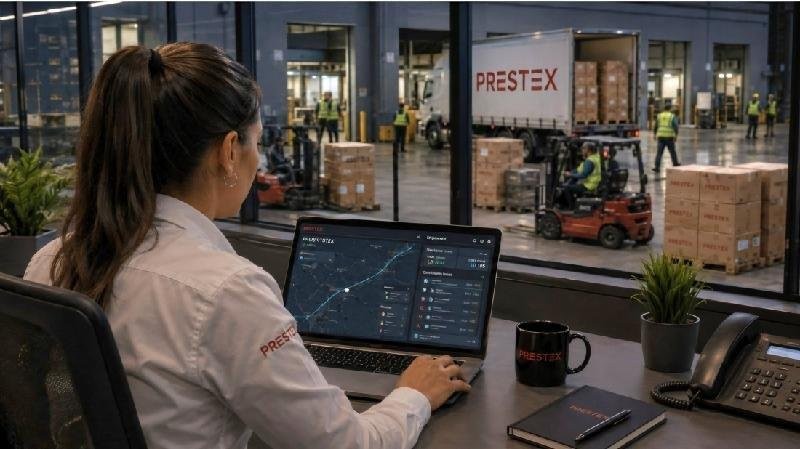
A 2026 Live University/Inbrasc study of 328 Brazilian companies finds only 14% use Agentic AI for predictive supply chain applications — despite 88% deploying generative AI for basic tasks. Investment data shows R$ 1.8M average annual tech spend, with R$ 517K allocated to AI. Prestex achieved 30% automated query resolution and 10-minute urgent tracking response times using autonomous agents. Workforce capability remains the top barrier (54%), while leadership engagement drives success in 49% of cases.

UK Exporters Face New US Customs Rules Amid 10.3% Drop
Latin America Supply Chain

UK Exporters Face New US Customs Rules Amid 10.3% Drop

UK exporters face urgent logistical recalibration following the US suspension of the $800 de minimis exemption on 24 July 2026. New Entry Type 13 rules require licensed customs brokers, enforce all duties—including the 10% Section 122 levy—and phase out simplified IMDW processing by 24 October 2026. Concurrently, UK goods exports to the US fell 10.3% (£6.8bn / $9.06bn) over the past year. David Taylor of Mark 3 International warns of rising costs, service degradation, and carrier unpreparedness—urging exporters to engage specialized compliance partners.

China imports 1.26M tons U.S. soy; Brazil holds 90% share
Latin America Supply Chain

China imports 1.26M tons U.S. soy; Brazil holds 90% share

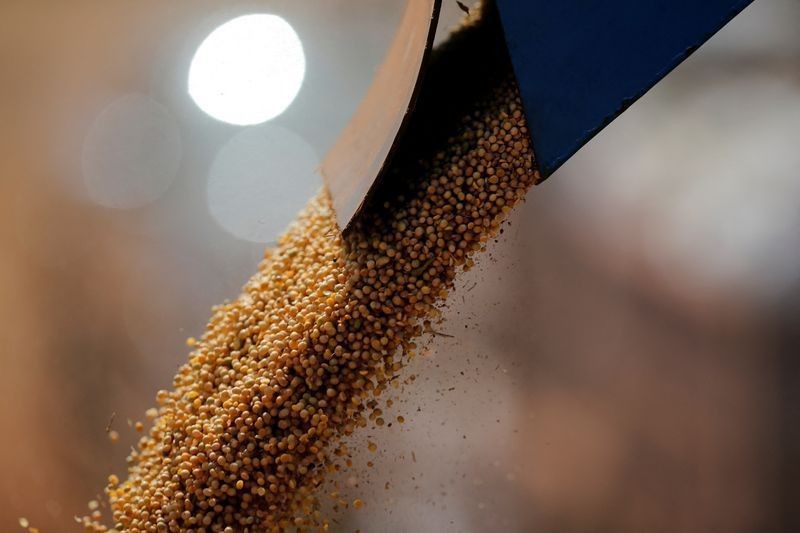
China imported 13.554 million tons of soybeans in June 2026 — a record monthly volume — with 12.075 million tons coming from Brazil (nearly 90%). U.S. purchases rose to 1.26 million tons, reflecting early steps toward a bilateral commitment of 25 million tons annually through 2028. Yet analysts stress caution: actual shipments lag announcements, and U.S. output — now projected at 121.8 million tons — remains vulnerable to July–August weather. Brazil’s cost advantage (US$1.20/bushel lower production cost) and pricing edge (US$0.50–US$0.60/bushel discount) secure its leadership despite geopolitical shifts.

GOL inks ULD management deal with Jettainer for 700 daily flights
Digital Platforms

GOL inks ULD management deal with Jettainer for 700 daily flights

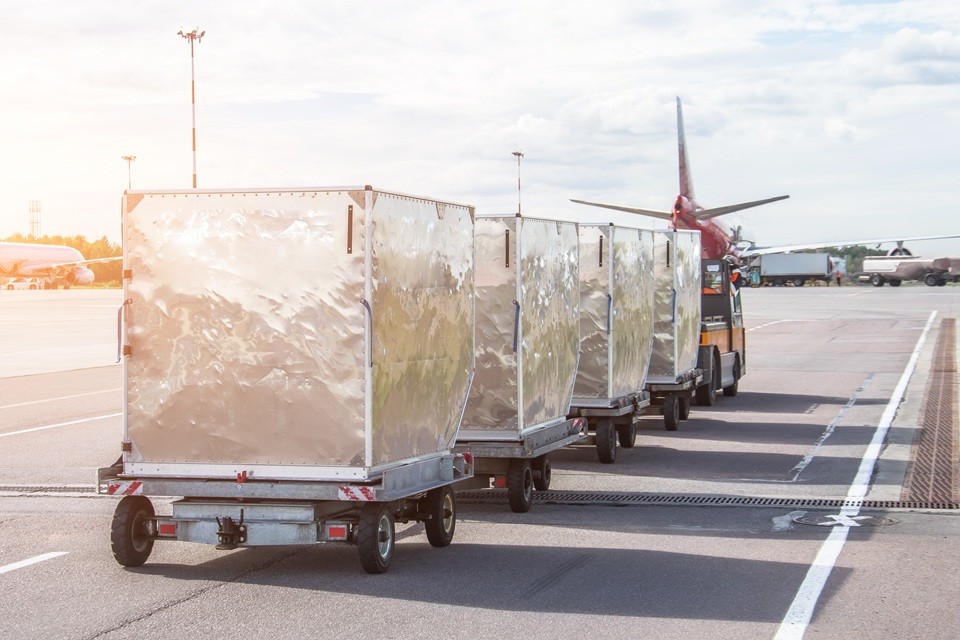
Brazilian airline GOL Linhas Aéreas has partnered with Jettainer to manage its unit load device (ULD) fleet digitally, covering 700 daily flights and 30 million annual passengers. The deal includes JettainerNG cloud platform integration and supports GOL’s upcoming intercontinental operations using five Airbus A330-900 aircraft. Jettainer now serves all Abra Group airlines — Avianca, GOL, and Wamos Air — aiming to streamline ULD operations and cut costs. Executives from both companies cited enhanced cargo safety, asset utilization, and regional scalability as key benefits.

Brazilian exports to Mexico drop 42.5% amid new tariffs
Latin America Supply Chain

Brazilian exports to Mexico drop 42.5% amid new tariffs

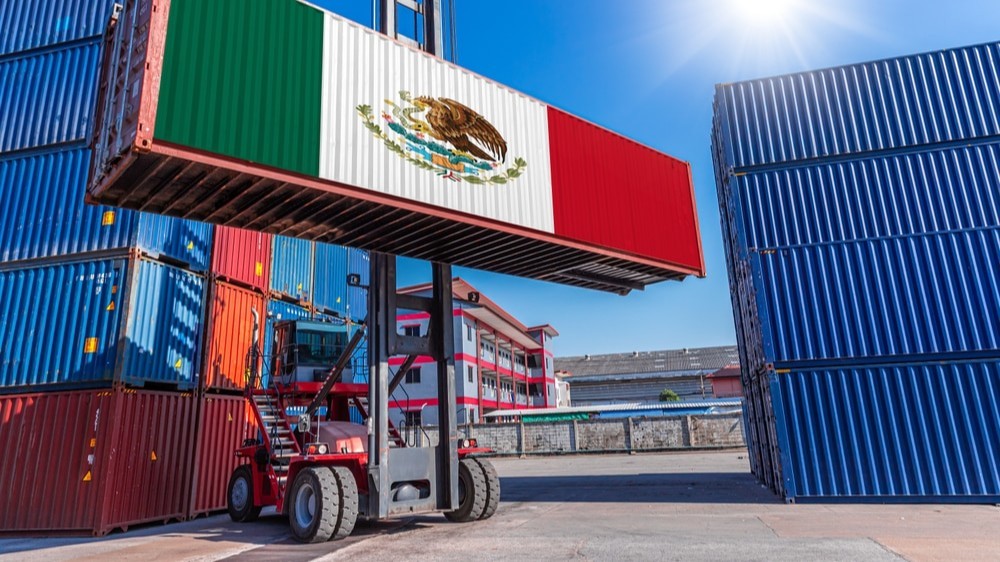
Brazilian industrial exports hit by Mexico’s January 2026 tariff hike fell 42.5% in H1 2026 versus the prior three-year average—equivalent to US$91.5 million. The policy affects 171 products, including pipeline-grade steel pipes whose exports collapsed 100% in Q1 2026. With US$665 million in exports at risk and 90.3% of 474 identified trade opportunities subject to tariffs, CNI urges tariff exemption and fast-tracked free trade talks. A potential agreement could lift joint GDP by US$13.8 billion and draw US$8 billion in investment.

CADE Recommends $1.2B Penalty Against Bayer, Monsanto for Soy Seed Antitrust
Latin America Supply Chain

CADE Recommends $1.2B Penalty Against Bayer, Monsanto for Soy Seed Antitrust

Brazil’s antitrust authority CADE recommends a $1.2 billion penalty against Bayer and Monsanto for anticompetitive practices in the soy seed market, citing eight years of investigation into incentive programs for Intacta biotech adoption and the Monsoy Multiplica discount scheme. The case stems from CADE’s 2018 review of Bayer’s $63 billion Monsanto acquisition and targets conduct between 2018–2026. A final ruling by CADE’s tribunal is expected within 90 days. Bayer denies wrongdoing, asserting full compliance with Brazilian law.

US exempts 47 Brazilian agro products from 12.5% tariff
Latin America Supply Chain

US exempts 47 Brazilian agro products from 12.5% tariff

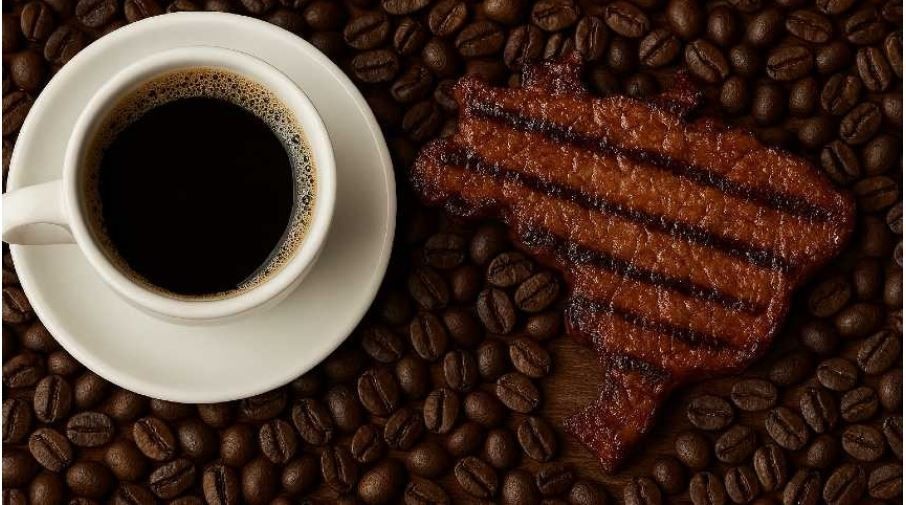
The U.S. has exempted 47 Brazilian agricultural products — including coffee, beef, avocado, and sugar — from its new 12.5% additional tariff, following a Section 301 investigation launched in July 2025. The 400-page USTR report cited concerns over forced labor, deforestation policy, and payment system interoperability. Exemptions were granted based on U.S. supply needs, especially for beef amid historic domestic shortages. Abics stated the coffee exemption provides 'breathing room' for export recovery. Tariff relief hinges on precise HTSUS classification, and the measure affects 23.1% of Brazil's total U.S. exports.

Bab el-Mandeb Blockade Threatens 20% Fertilizer Cost Rise for Brazil
Latin America Supply Chain

Bab el-Mandeb Blockade Threatens 20% Fertilizer Cost Rise for Brazil

A potential blockade of the Bab el-Mandeb Strait threatens to raise Brazilian fertilizer import costs by up to 20%, disrupt Black Sea grain exports to Asia, and inflate diesel and freight expenses. Saudi Arabia — a key supplier of phosphate fertilizers and sulfur to Brazil — faces severe export constraints if both Red Sea and Hormuz routes are compromised. Analysts warn DAP prices could surge ahead of India’s major procurement auction, while wheat and corn shipping premiums may rise 15–25%. Brazil’s heavy reliance on imported fertilizers (85%+) and road transport magnifies domestic exposure.

Brazilian Pecan Exports Drop Amid 30% Freight Surge, EU Sanitary Rules
Latin America Supply Chain

Brazilian Pecan Exports Drop Amid 30% Freight Surge, EU Sanitary Rules

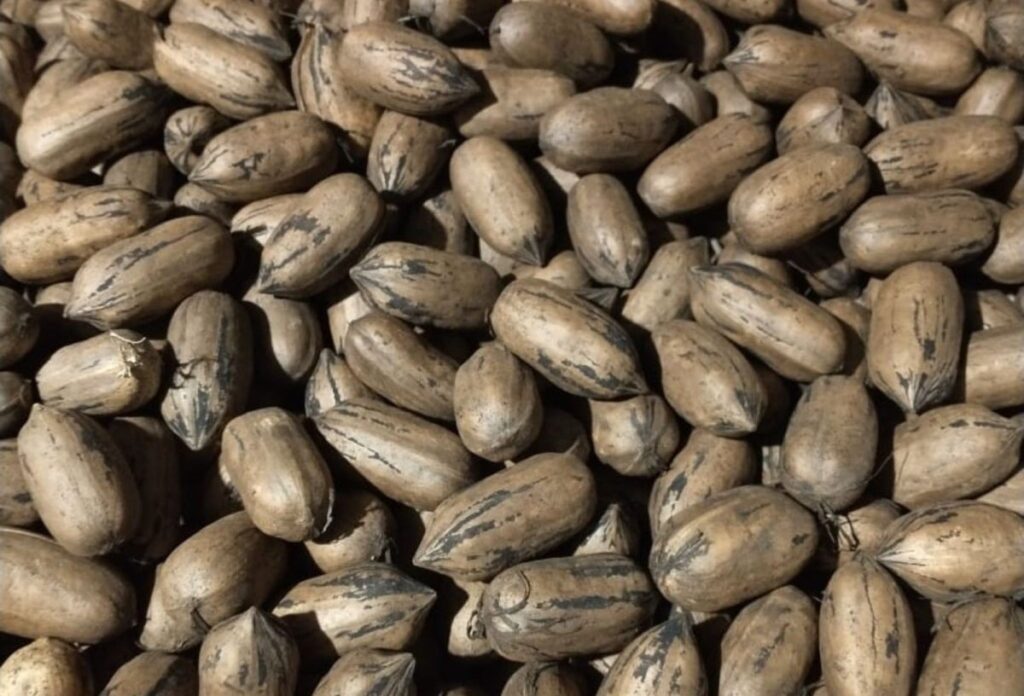
Brazilian pecan exports are declining amid a 30% surge in maritime freight costs triggered by Middle East conflict, new EU sanitary rules delaying shipments, and uncertainty around U.S. tariffs of up to 25%. IBPecan President Claiton Wallauer attributes the slowdown to container shortages and elevated freight rates, while forecasting a 2026 harvest of 6,500–7,000 tons to drive recovery. New EU phytosanitary requirements are impeding access to Rotterdam and Hamburg ports, and U.S. tariff decisions remain pending as Brazil seeks alternative markets in Asia.

Welcome Back!

Login to your account below

Create New Account!

Fill the forms below to register

Retrieve your password

Please enter your username or email address to reset your password.

Add New Playlist