Skip to content

Coverage desk

Southeast Asia Supply Chain

127 published stories

Indonesia Textile Exports to Grow 4% by 2027 Amid Supply Chain Push
Southeast Asia Supply Chain

Indonesia Textile Exports to Grow 4% by 2027 Amid Supply Chain Push

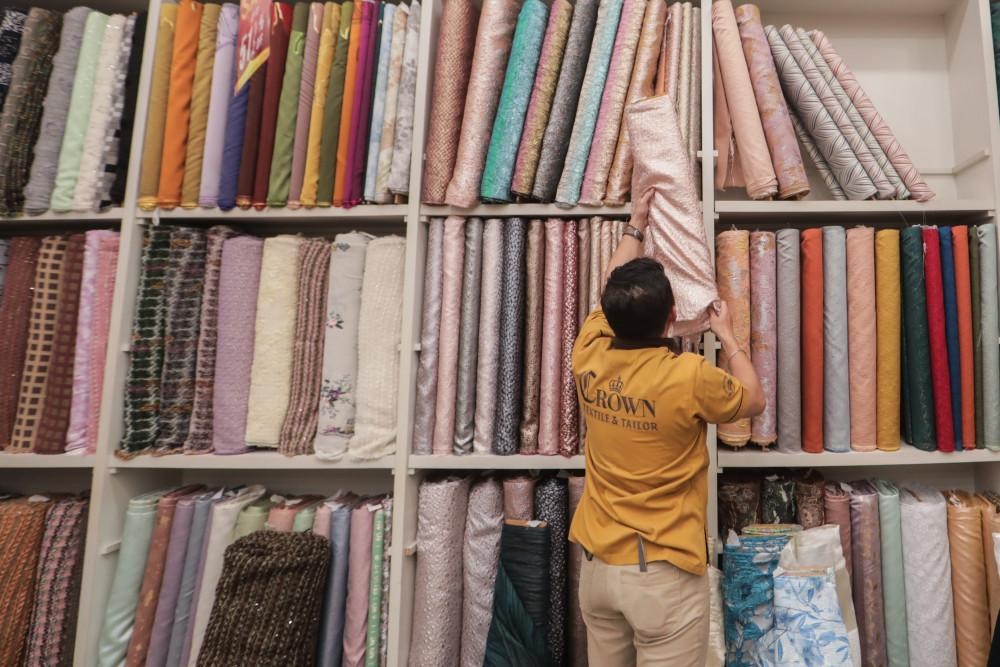
Indonesia’s textile and textile products (TPT) exports are forecast to grow up to 4% in 2027, per the Indonesia Eximbank Institute. Growth hinges on supply chain integration, production modernization, and expanded export financing — notably through LPEI’s pre- and post-shipment loans, Trade Credit Insurance, and marine cargo coverage. Current TPT export growth stands at 1.3%, projected to rise to 2–3.2% in 2026 and 3.5–4% in 2027. Finished fabric contributes 74% of TPT exports, while global buyers increasingly prioritize sustainability, traceability, and compliance over price alone.

Vietnam International Logistics Expo 2026 Opens with 450 Firms from 22 Countries
Southeast Asia Supply Chain

Vietnam International Logistics Expo 2026 Opens with 450 Firms from 22 Countries

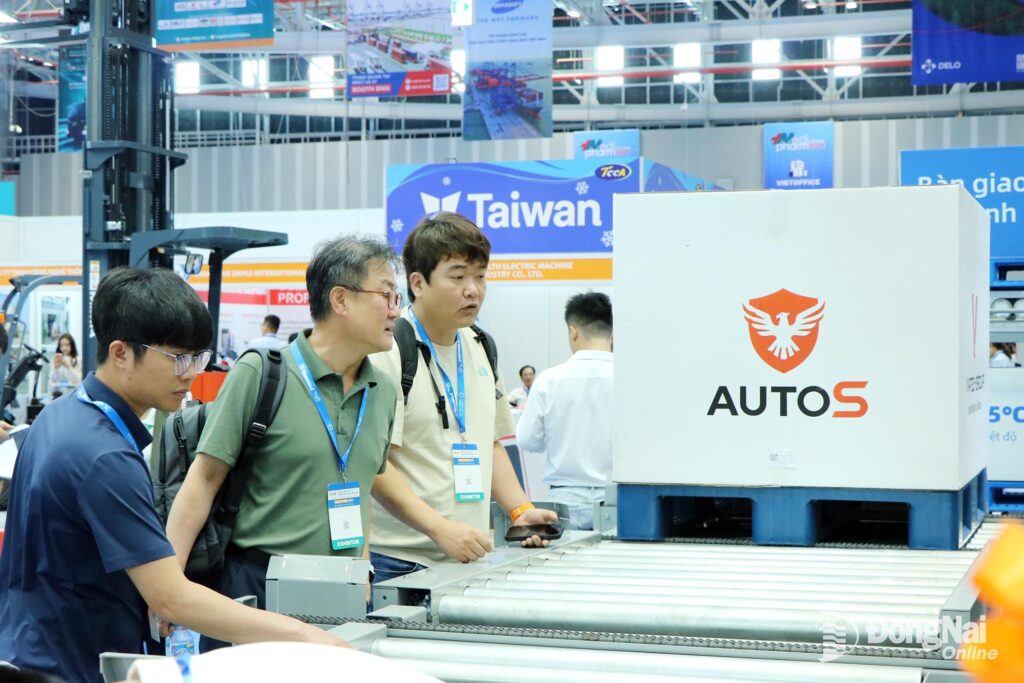
Vietnam's 4th International Logistics Exhibition (VILOG 2026) opened on 30 July 2026 in Hồ Chí Minh City, drawing 450 companies from 22 countries across 550 booths. The event spotlighted AI-driven logistics ecosystems, warehouse robotics, electric material-handling equipment, and green port infrastructure. Officials from the Ministry of Industry and Trade and VLA emphasized technology, sustainability, and standardization as pillars for Vietnam’s logistics modernization. Key activities included VILOG Talk sessions and site visits to AJ Total Vietnam’s cold storage and Tân Cảng Hiệp Phước Port.

Indonesia, Singapore Reaffirm Free Passage in Strait of Malacca
Southeast Asia Supply Chain

Indonesia, Singapore Reaffirm Free Passage in Strait of Malacca

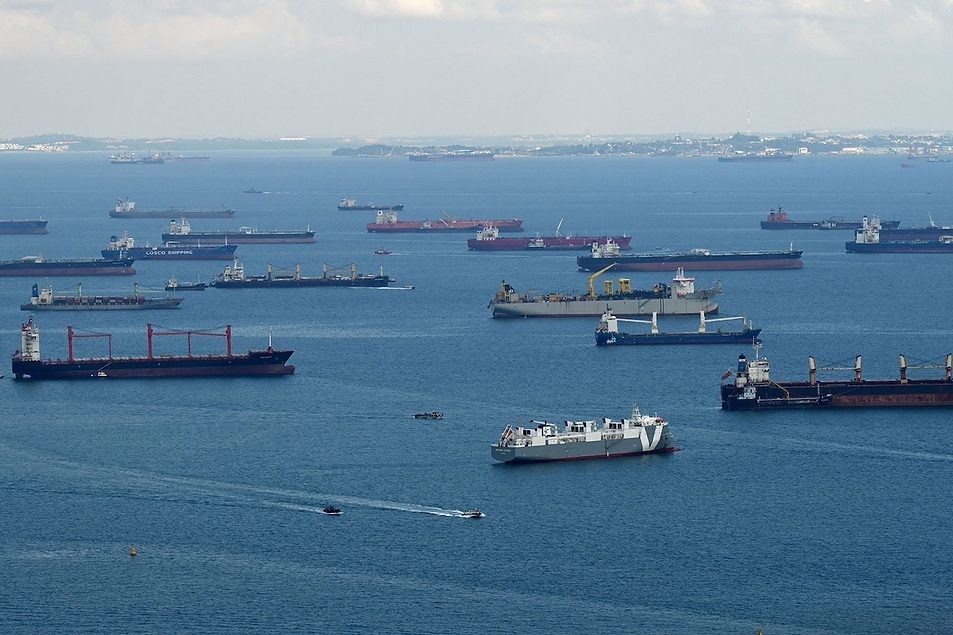
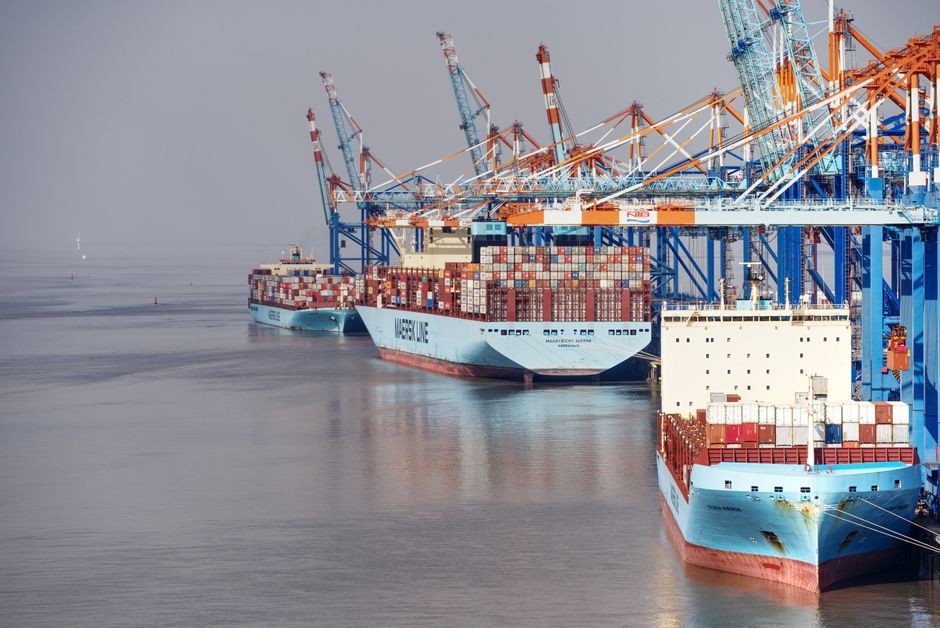
Indonesia and Singapore have jointly reaffirmed their commitment to free passage in the Strait of Malacca — a critical corridor handling 30% of global maritime trade. The agreement, reinforced in May 2024, includes integrated AIS databases by Q4 2025, joint patrols under the 2004 Trilateral Cooperative Arrangement, and digital infrastructure alignment with national logistics platforms. Over 80,000 vessels transit the strait annually, with 25% of global oil shipments and 37 million TEUs moving through Singapore’s Keppel Terminal in 2023. Patrols increased 22% between 2022 and 2024, covering 1,000 nautical miles.

Indonesian Nickel Industry Presses for Rare Earth Export Clarity Amid 120 Pending Survey Reports
Southeast Asia Supply Chain

Indonesian Nickel Industry Presses for Rare Earth Export Clarity Amid 120 Pending Survey Reports

Indonesia's nickel industry is urging regulatory reform amid export delays caused by rare earth element (REE) testing mandates. As of 29 July 2026, 120 Surveyor Reports remain pending from Sulawesi, Kalimantan Barat, and Bangka Belitung. FINI’s Arif Perdanakusumah stressed that trace REEs in nickel intermediates shouldn’t trigger export bans, citing misaligned HS Code classifications and unproven REE recovery economics. Current smelting tech—including HPAL, RKEF, and OESBF—is designed for nickel—not REE extraction. With global demand softening and input costs rising, FINI calls for phased, technically grounded REE policy and shared ecosystem roles.

Vietnam Targets 80% Digital Adoption in Agri-Logistics by 2030
Southeast Asia Supply Chain

Vietnam Targets 80% Digital Adoption in Agri-Logistics by 2030

Vietnam’s Agri-Logistics Digital Transformation Plan (2026–2030) mandates that 80% of agricultural logistics enterprises adopt digital technologies by 2030. The plan allocates VND 2.3 trillion ($92M) to support IoT, AI routing, blockchain traceability, and ERP integration. It targets 15–20% logistics cost reduction and 25% lower post-harvest losses. Six priority corridors will require e-certificates by 2028, cutting customs clearance time by 40%. At least 120 firms—including Vinafreight and Saigon Freight Services—will join Phase I by Q4 2026. A new national standard TCVN 12345:2026 enforces data interoperability and cybersecurity requirements.

U.S. Supply Chain Activity Remains in Contraction at 42.2
Southeast Asia Supply Chain

U.S. Supply Chain Activity Remains in Contraction at 42.2

The WOW Supply Chain Activity Index, published by Warehouse on Wheels, shows U.S. supply chain activity remained in contraction in June 2026 with a reading of 42.2 — the second straight month below the 45 threshold. The index, derived from nine data inputs including the Cass Freight Index and ISM Manufacturing PMI, has hovered between 39.0 and 43.1 since February after hitting a cycle low of 33.4 in January 2026. Current conditions feature lower freight rates, ample warehouse capacity, and limited pricing power across trucking and storage sectors. A sustained move above 45 — expected to be tested in the July and August releases — would signal stabilization.

US bans Chinese humanoid robots, inverters — AI supply chain shift looms
Southeast Asia Supply Chain

US bans Chinese humanoid robots, inverters — AI supply chain shift looms

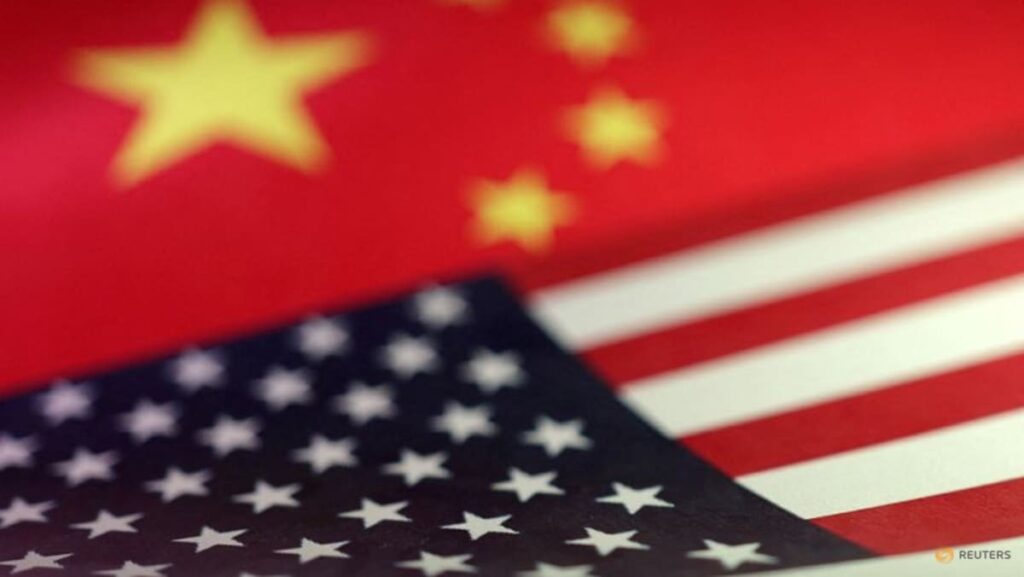
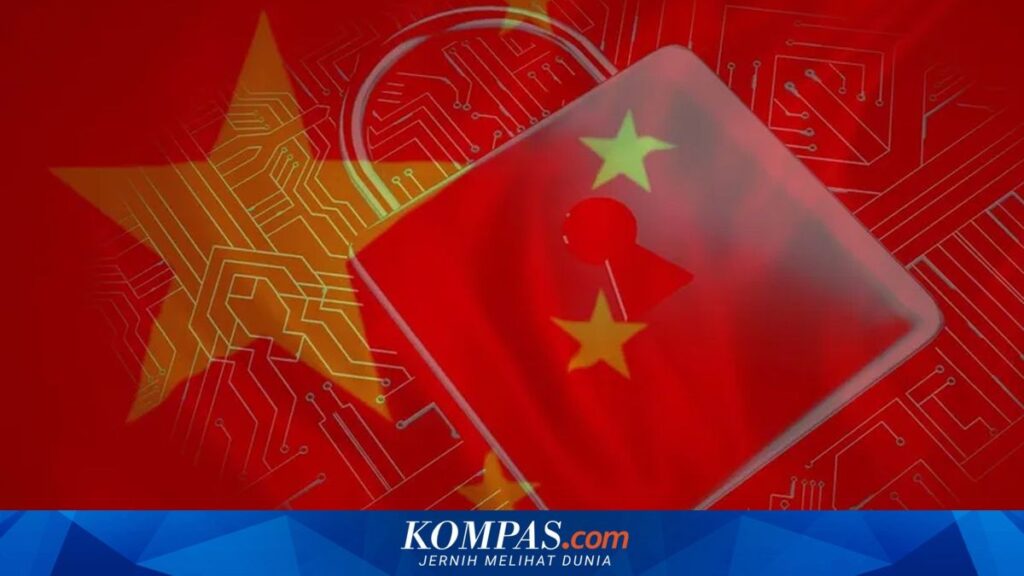
The U.S. FCC banned imports of Chinese humanoid and quadruped robots and connected power inverters effective July 28, 2026, citing national security risks. The move aims to secure AI and data center supply chains and may accelerate manufacturing relocations to Southeast Asia. Indonesia is highlighted as a potential beneficiary due to its nickel reserves, electronics industry, and labor cost advantage—though no FDI has yet materialized. Risks include weakened Chinese demand for Indonesian coal, nickel, and CPO, plus currency pressure on the rupiah. Key watchpoints include China’s retaliation timeline (1–2 weeks), BKPM’s Q3 2026 FDI data, and potential secondary tariffs on Indonesian exporters using Chinese components.

Vietnam Logistics Sees Global Supply Chain Shift Amid $1.2B Infrastructure Gap
Southeast Asia Supply Chain

Vietnam Logistics Sees Global Supply Chain Shift Amid $1.2B Infrastructure Gap

Vietnam’s logistics sector faces dual dynamics: rising global demand driven by supply chain diversification and persistent domestic bottlenecks—including high logistics costs, fragmented intermodal infrastructure, and limited digital integration. A July 2026 forum convened by the Ministry of Industry and Trade highlighted $1.2 billion in unmet infrastructure investment needs by 2030, while calling for coordinated action across government, industry, and exporters. Digital transformation and green logistics—backed by $210 million in fleet upgrades and 30% urban emission targets—are now central to national strategy.

Brazil Supply Chain AI Adoption Stalls at 14% for Advanced Use
Southeast Asia Supply Chain

Brazil Supply Chain AI Adoption Stalls at 14% for Advanced Use

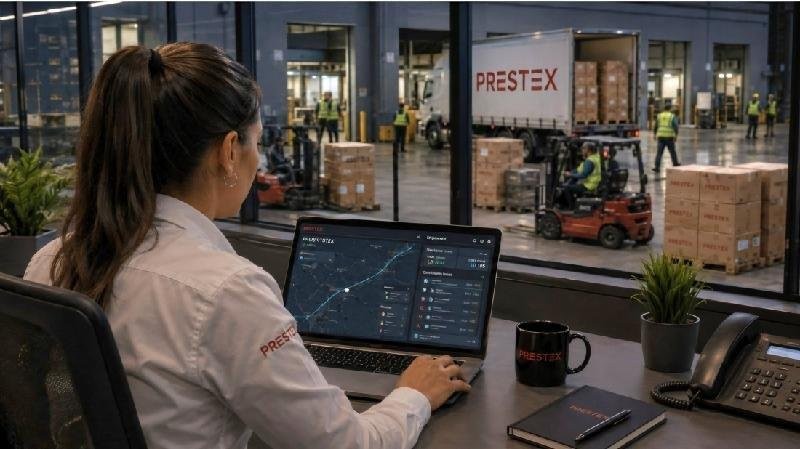
A 2026 Live University/Inbrasc study of 328 Brazilian companies finds only 14% use Agentic AI for predictive supply chain applications — despite 88% deploying generative AI for basic tasks. Investment data shows R$ 1.8M average annual tech spend, with R$ 517K allocated to AI. Prestex achieved 30% automated query resolution and 10-minute urgent tracking response times using autonomous agents. Workforce capability remains the top barrier (54%), while leadership engagement drives success in 49% of cases.

China pledges $65B in Indonesia mineral manufacturing
Southeast Asia Supply Chain

China pledges $65B in Indonesia mineral manufacturing

China has pledged manufacturing support to Indonesia, anchoring a $65 billion investment drive focused on nickel and other critical minerals. Analysts say Beijing aims to lock in supply chain control amid Indonesia’s 2014 ban on raw ore exports. Ambassador Wang Lutong highlighted electric vehicles, battery materials, and steel processing as priority sectors. The move coincides with Jakarta’s joint statement with Washington to ease critical mineral exports to the U.S., underscoring Indonesia’s pivotal role in global green-energy supply chains.

Vietnam Logistics Costs Hit 16–17% of GDP, Above Global Average
Southeast Asia Supply Chain

Vietnam Logistics Costs Hit 16–17% of GDP, Above Global Average

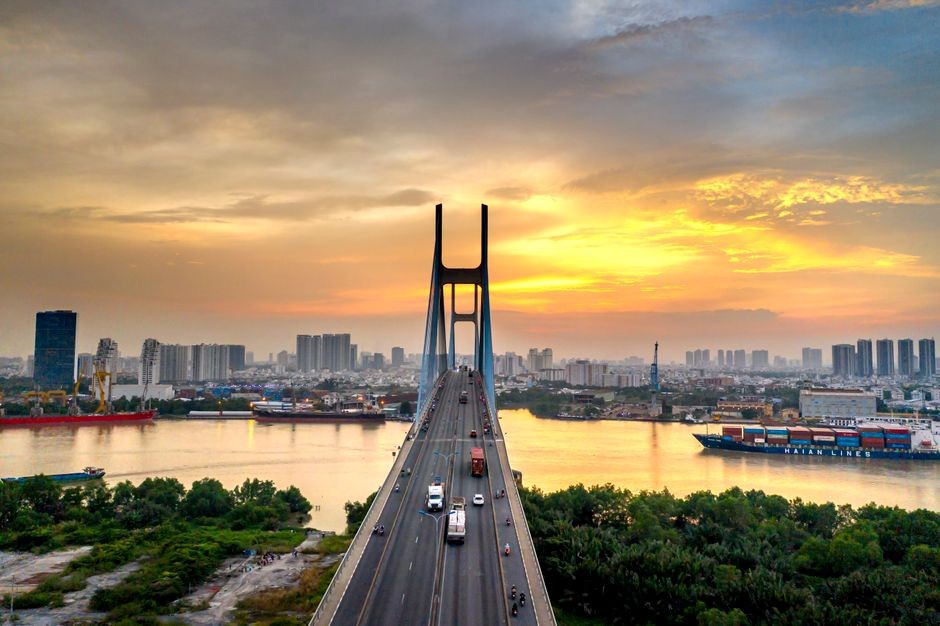
Vietnam’s logistics costs consume 16–17% of GDP — well above the global average of 10–12% and regional benchmark of 11.6%. APM Terminals’ Jian Dan cited fragmented multimodal systems, road overreliance, port congestion, and procedural inefficiencies as root causes. Despite this, Vietnam’s exports hit $475 billion in 2025, exceeding India’s $440 billion. With deepwater ports active at Cái Mép and Hải Phòng — and Đà Nẵng set to join as a new gateway — Vietnam is strategically positioned amid global supply chain shifts toward resilience and friend-shoring. Targeted rail upgrades, digital customs harmonization, and air cargo expansion offer near-term levers to cut domestic logistics costs.

China pledges manufacturing aid to Indonesia to secure nickel supply chain
Southeast Asia Supply Chain

China pledges manufacturing aid to Indonesia to secure nickel supply chain

China has formally offered manufacturing assistance to Indonesia to support domestic mineral processing — a strategic move analysts say targets control over the nickel supply chain. Since 2014, Indonesia has banned raw nickel, bauxite, and copper exports to force value addition locally. Chinese firms have invested over $65 billion in Indonesian smelters and EV battery material facilities. Ambassador Wang Lutong stressed alignment between Indonesia’s downstreaming policy and China’s manufacturing capacity. Analyst Jayant Menon noted Chinese investors aim to 'secure as much of that supply chain as possible.' Indonesia holds the world’s largest nickel reserves, critical for stainless steel and EV batteries.

Welcome Back!

Login to your account below

Create New Account!

Fill the forms below to register

Retrieve your password

Please enter your username or email address to reset your password.

Add New Playlist