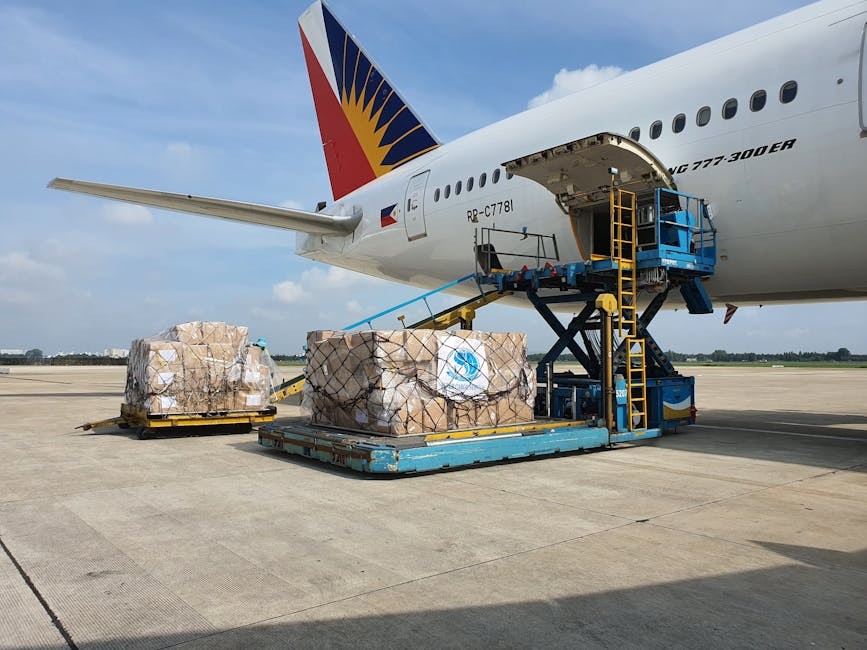
Asia supply chains are reshaping in 2026 with a tri-polar structure: China as the innovation hub, Southeast Asia as the manufacturing base, and India as the strategic pivot. Key trends include China+One strategy adoption, FTZ expansion, and cross-border logistics integration.
Asia’s supply chain landscape is undergoing a significant transformation, with a gradual shift in manufacturing hubs and evolving logistics strategies. This article delves into the key trends shaping Asia supply chains in 2026, offering insights into the strategies that companies are adopting to stay competitive.
China’s Role in the Changing Landscape
Despite the ongoing shift, China remains a critical player in the global supply chain, especially for sectors like electronics and semiconductors. However, the ‘China Plus One’ strategy has gained traction, where companies are diversifying their supply chains by setting up production in countries like Vietnam, Thailand, Malaysia, and Indonesia. This strategy aims to reduce dependence on a single country, thereby mitigating the risk of disruptions.
These Southeast Asian countries offer competitive labor markets and favorable government incentives, making them attractive destinations for manufacturing. For instance, Vietnam has been investing heavily in infrastructure to support its manufacturing sector, while Thailand and Malaysia have been focusing on enhancing their capabilities in electronics and automotive manufacturing.
India, too, is emerging as a significant player, thanks to government initiatives that encourage the production of electronics, automotive, and batteries. This growing momentum in India is expected to further diversify the global supply chain and reduce reliance on China.
Strategies for Shippers in the Asia-Pacific Region
Shippers in the Asia-Pacific region are adapting to these changes by implementing several strategic measures. One key approach is supplier vetting with multi-country redundancy. This involves conducting structured vetting programs across multiple countries to ensure that suppliers meet quality and compliance requirements. By diversifying their supplier base, companies can minimize the risk of production disruptions due to factory closures.
Another significant strategy is the utilization of bonded warehouses and free trade zones (FTZs). These facilities allow companies to move inventory closer to customers without immediately triggering duties. This not only helps in reducing costs but also improves efficiency and responsiveness to market demands.
Additionally, companies are focusing on data integration and project logistics to streamline their supply chain operations. By leveraging advanced technologies and data analytics, they can gain better visibility into their supply chains, optimize inventory levels, and respond quickly to market changes.
The Impact on Freight Capacity and Landed Costs
The shift in manufacturing hubs is having a profound impact on freight capacity and landed costs. As production moves away from China, there is an increase in demand for transportation services in Southeast Asian countries. This has led to higher freight rates and longer lead times in some regions. However, the availability of competitive labor markets and government incentives in these countries is expected to offset some of these costs.
Moreover, the establishment of FTZs and bonded warehouses in these regions is expected to further reduce landed costs. By facilitating duty-free movement of goods, these facilities enable companies to bring their products closer to customers at a lower cost.
However, it is important to note that these changes also bring challenges. Companies need to carefully manage their supply chains to ensure that they can navigate the complexities of the evolving landscape. This includes selecting the right suppliers, optimizing logistics routes, and leveraging technology to gain better visibility and control over their operations.
The Role of Technology in Supply Chain Transformation
Digital transformation is accelerating across Asia’s supply chain ecosystem. Companies are adopting AI-powered demand forecasting, IoT sensors for real-time cargo tracking, and blockchain-based documentation systems. Singapore’s Smart National Logistics Platform demonstrates how government-industry collaboration can create seamless cross-border data exchange. These technologies reduce friction, improve accuracy, and enable shippers to respond faster to disruptions.
Cloud-based TMS (Transportation Management Systems) are becoming standard among mid-to-large shippers. They provide end-to-end visibility, automate rate comparisons, and optimize routing decisions in real time. The result is better capacity utilization, lower carbon emissions, and improved customer service levels.
Sustainability Pressures and Green Logistics Initiatives
Environmental regulations and corporate ESG commitments are driving adoption of green logistics practices across Southeast Asia. The EU’s Carbon Border Adjustment Mechanism (CBAM) affects Chinese exporters who route through ASEAN countries, pushing companies to measure and reduce their carbon footprints. Singapore has introduced port electrification programs, while Vietnam is piloting electric truck corridors between industrial zones.
Shippers are increasingly要求 their logistics partners to report emissions data per shipment. This trend favors 3PLs with invested fleets and optimized networks over traditional carriers operating older equipment. Green warehousing certifications and renewable energy procurement have become differentiators in tender processes.
Conclusion
In conclusion, the Asia supply chain landscape in 2026 is characterized by a gradual shift in manufacturing hubs and evolving logistics strategies. While China remains a critical player, the rise of Southeast Asian countries and India as manufacturing hubs is reshaping the global supply chain. Companies that can effectively adapt to these changes will be better positioned to control costs, avoid service interruptions, and remain competitive in the global market.
Source: dimerco.com
This article was AI-assisted and reviewed by our editorial team.