

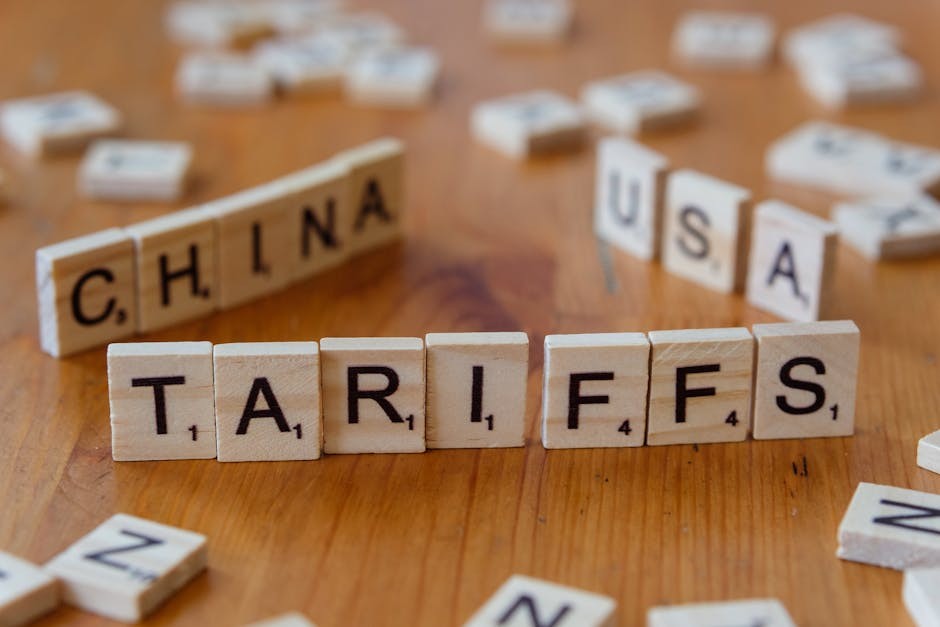
Amidst ongoing trade and tariff policy uncertainty, U.S. companies are planning to increase their investment in supply chain agility, reflecting a growing recognition of the importance of adaptability in today's volatile market. The use of AI is becoming increasingly prevalent as companies seek to mitigate the impact of tariffs and enhance their supply chain agility.
Amidst the ongoing trade and tariff policy uncertainty, a significant shift is occurring in the United States. According to a recent survey by KPMG, nearly four in ten U.S. companies are planning to increase their investment in supply chain agility over the next year. This strategic shift is not just a response to the current economic landscape but a proactive measure to navigate the complexities of a global supply chain in an era of heightened uncertainty.
The Surge in Supply Chain Agility Investments
40% of companies are planning to increase their investments in supply chain agility, reflecting a growing recognition of the importance of adaptability in today’s volatile market. This is a significant increase from previous years and underscores the urgency with which businesses are addressing the challenges posed by trade policies and tariffs.
One of the key drivers behind this trend is the need to mitigate the impact of tariffs. 48% of organizations are actively modeling and deploying tariff mitigation strategies. These strategies range from diversifying supply sources to implementing advanced analytics to identify and address potential disruptions.
Additionally, the use of artificial intelligence (AI) is becoming increasingly prevalent. 41% of respondents reported deploying AI to manage and optimize trade compliance. AI’s role in this context is multifaceted, from predicting market trends to automating complex supply chain processes.
The Impact of the U.S. Supreme Court’s Tariff Ruling
The recent U.S. Supreme Court ruling that struck down sweeping tariffs imposed by the Trump administration has introduced fresh uncertainty for businesses. While the ruling was seen as a victory for free trade advocates, it has also created a period of uncertainty as the administration seeks to implement new trade policies.
This uncertainty is compounded by the fact that the administration has pursued tariffs under other trade statutes with clearer legal precedent. However, this approach has not eliminated the uncertainty, as the legal landscape remains complex and subject to change.
The Supreme Court’s decision has added to an already complex environment for businesses managing cross-border supply chains. The ruling removed a key legal mechanism used to impose tariffs, forcing the administration to consider alternative authorities. This period of uncertainty is a significant challenge for companies that rely on international trade to maintain their supply chains.
The Role of AI in Enhancing Supply Chain Agility
As businesses grapple with the complexities of global trade and the uncertainty of tariffs, the role of AI in enhancing supply chain agility cannot be overstated. AI’s ability to analyze vast amounts of data in real-time allows companies to make informed decisions and respond quickly to changing market conditions.
For example, AI can be used to predict demand fluctuations, optimize inventory levels, and identify potential bottlenecks in the supply chain. By leveraging AI, companies can reduce costs, improve efficiency, and enhance their ability to adapt to changing market conditions.
Moreover, AI can be used to automate complex supply chain processes, freeing up resources for other critical activities. This automation can lead to significant improvements in efficiency and productivity, allowing companies to remain competitive in a rapidly evolving market.
Conclusion
The resurgence of tariff turmoil has highlighted the need for supply chain agility in the United States. As businesses grapple with the complexities of global trade and the uncertainty of tariffs, the strategic use of AI is becoming increasingly important. By investing in supply chain agility and leveraging the power of AI, companies can navigate the challenges of today’s volatile market and position themselves for success in the future.
Source: www.supplychaindive.com
This article was AI-assisted and reviewed by our editorial team.


