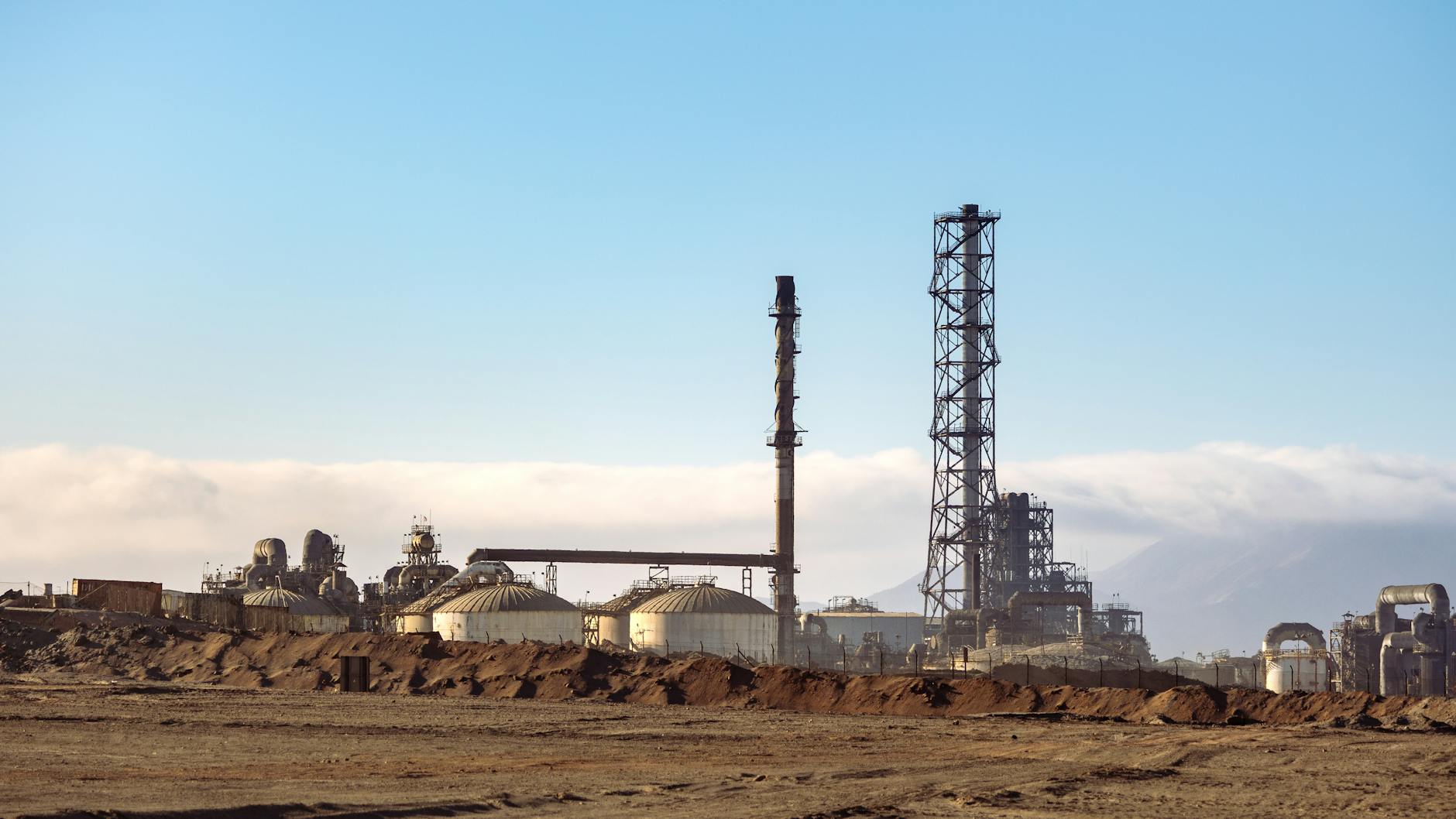
At the GreenBiz26 sustainable business conference, Mars, Meta, Patagonia, and L'Oréal shared their differentiated strategies for tackling Scope 3 emissions challenges, revealing diversified pathways for supply chain decarbonization.
Scope 3 Emissions: The Core Challenge of Supply Chain Carbon Footprint
Against the backdrop of accelerating global climate action, Scope 3 emissions—indirect greenhouse gas emissions generated across a company’s value chain—have become a central issue in supply chain sustainability transformation. According to The Carbon Trust, Scope 3 emissions typically account for 70%-90% of a company’s total emissions, making supply chain decarbonization a critical battlefield for achieving net-zero targets.
GreenBiz26 Summit: Multinational Corporations Share Practical Experiences
At the GreenBiz26 sustainable business annual conference held last month in Phoenix, Arizona, sustainability executives from Mars, Meta, Patagonia, and L’Oréal gathered to share their respective companies’ practical experiences in tracking Scope 3 emissions and driving supply chain decarbonization. This dialogue revealed differentiated strategies across industries facing the same challenge.
Mars and Meta: Dual Pathways for Renewable Energy Procurement
The food and confectionery multinational Mars adopts an “annoyingly thorough” approach to tracking Scope 3 emissions. Kevin Rabinovitch, Global Sustainability Vice President at Mars, stated that the company is committed to calculating emissions across the entire product lifecycle, covering all aspects from raw materials, agricultural supply chain, transportation and packaging to distribution and retail, and even the energy consumed by consumers heating products at home.
Mars has reduced its supply chain emissions by 16.4% compared to the 2015 baseline and launched a program in April 2025 aimed at accelerating renewable energy adoption across the value chain, targeting a 10% reduction in the company’s Scope 3 emissions. The plan involves Mars purchasing renewable energy certificates on behalf of its suppliers and calculating the resulting emission reductions.
For Meta, its supply chain emissions primarily come from data center construction and operation. Devon Lake, Head of Net Zero Strategy at Meta, revealed that the company has set a 2030 net-zero target and made significant investments in clean energy and low-carbon technologies in 2025. Meta co-financed a white paper with Google through environmental consultancy 3Degrees to guide other companies in decarbonizing their supply chains through direct procurement of clean energy attributes.
Patagonia: Carbon Reduction Innovation in Textile Supply Chains
Outdoor apparel brand Patagonia has set a 2040 net-zero target, with an interim 2030 goal to reduce Scope 3 emissions by 55% compared to the 2017 baseline. Approximately 90% of the company’s indirect emissions fall under the purchased goods and services category, with the “lion’s share” coming from raw material manufacturing.
Kim Drenner, Head of Environmental Impact at Patagonia, noted that the特殊性 of textile supply chains lies in the typically non-binding commitments between brands and material suppliers. To address this challenge, Patagonia has created an innovative “carbon offtake agreement” model by fully funding energy efficiency upgrades for selected raw material suppliers.
L’Oréal: Unique Approach to Digital Media Carbon Footprint
L’Oréal’s North American operations present the most unique Scope 3 emission profile. Marissa McGowan, Chief Sustainability Officer for L’Oréal North America, stated that approximately 40% of supply chain emissions come from raw materials and packaging, 10% from logistics, but North American operations also have a significant emission source: digital media.
McGowan revealed that about 11% of the company’s Scope 3 emissions in North America come from its digital media footprint, including large-scale photography by advertising agencies. L’Oréal is working with industry organizations like Ad Net Zero to develop sector standards while collaborating with digital marketing teams to understand their pain points and build strategies that balance emission reduction with business needs.
Diversified Pathways for Supply Chain Decarbonization
The practices of these four companies demonstrate that there is no one-size-fits-all solution for supply chain decarbonization. Mars and Meta focus on renewable energy procurement, Patagonia innovates textile supply chain collaboration models, while L’Oréal pioneers new frontiers in digital media emission reduction. These differentiated strategies reflect the structural characteristics of different industry supply chains and provide a framework for other companies to借鉴.
As regulatory pressure intensifies and investor expectations rise, Scope 3 emission management is shifting from voluntary disclosure to strategic necessity. Companies need to develop targeted decarbonization roadmaps based on their supply chain characteristics, advancing simultaneously across three dimensions: data quality, supplier collaboration, and technological innovation to maintain competitive advantage in the sustainability transformation.
This article is AI-assisted and has been reviewed and verified by the SCI.AI editorial team before publication.
Source: supplychaindive.com
This article was AI-assisted and reviewed by our editorial team.