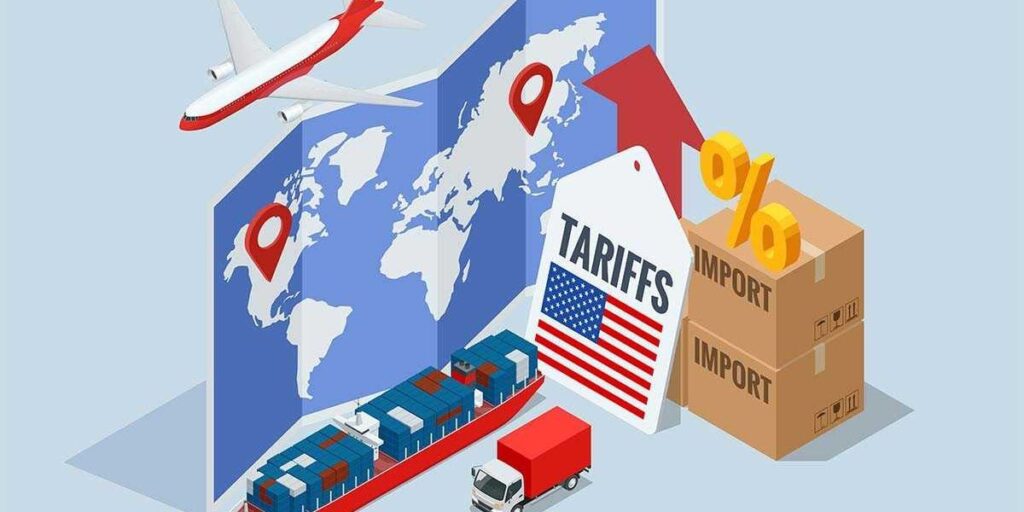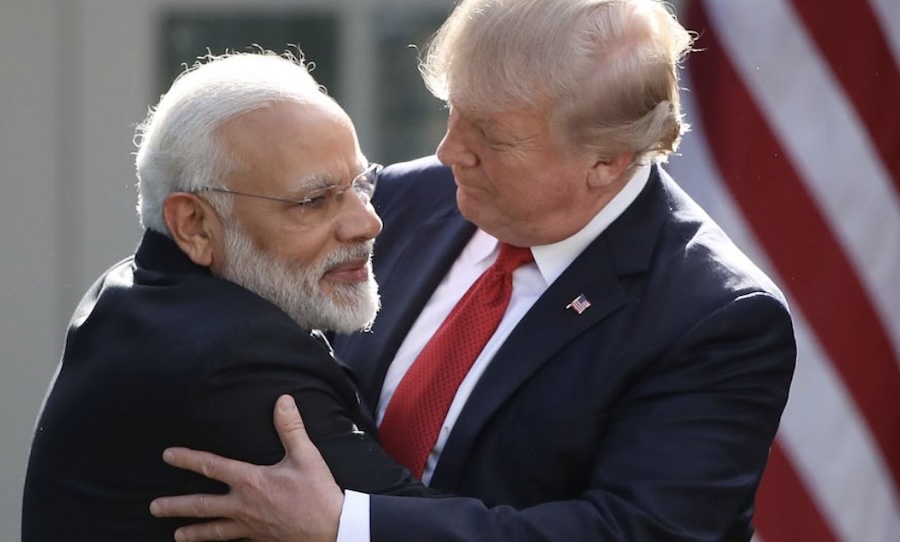
The recent US-India trade agreement has significantly reshaped the South Asian garment supply chain. With tariffs reduced from punitive levels to a competitive rate of 18%, India gains an edge over competitors like Bangladesh and Sri Lanka, prompting these nations to strategize differently.
The Impact of the US-India Interim Framework on South Asian Garments
In February 2026, a significant shift occurred within the global garment supply chain as the United States and India signed an interim trade framework. This agreement marked a reduction in tariffs on Indian goods to 18%, down from the previously punitive rate of 50%. The implications are vast, particularly for the South Asian region where garments constitute a major export category. With this new deal, India gains a competitive edge over other neighboring countries like Bangladesh and Sri Lanka, which have traditionally relied on preferential trade policies with the US.
This reduction in tariffs provides Indian manufacturers with increased cost efficiency, potentially undercutting competitors from nearby nations. However, it also means that the landscape for sourcing garments will become more dynamic, pushing each country to refine their strategies. For instance, while Bangladesh has secured a reciprocal tariff of 19%, with potential zero-tariff on apparel using US-sourced inputs, Sri Lanka must now navigate its own path in this competitive environment.
The Competitive Advantage of Vertical Integration
One key advantage that India holds over other countries like Bangladesh and Sri Lanka is the vertical integration within its garment industry. This includes an extensive supply chain from cotton spinning to weaving, allowing for a more streamlined production process and potentially lower costs due to reduced reliance on external supplies. Such vertical integration also enhances flexibility in responding to market demands quickly.
However, this advantage does not guarantee that India will dominate the market. Bangladesh, despite having less integrated processes, has managed to become the world’s second-largest apparel exporter by focusing heavily on labor cost efficiencies and large-scale production capabilities. Sri Lanka, while lacking the same level of vertical integration as India, retains certain advantages through its EU GSP+ status, which allows for duty-free access into European markets.
Rules of Origin: A Crucial Factor in Trade Negotiations
The rules of origin play a critical role in determining how these trade frameworks will impact each country’s garment industry. These regulations specify the extent to which products must be manufactured within a particular region to qualify for preferential tariff treatment under free trade agreements or bilateral deals like those between the US and India, as well as Bangladesh.
In the context of the recent changes, manufacturers in Sri Lanka are particularly wary about their competitive position. The reduction in Indian tariffs could incentivize more US importers to source from India rather than Sri Lanka if they find it cheaper due to lower duty costs. However, navigating these rules requires understanding how much value must be added locally versus through external inputs, which can complicate sourcing decisions.
Strategic Pathways for Sri Lanka: Premium Positioning and ESG Compliance
To maintain a competitive edge in the face of increasing competition from India and Bangladesh, Sri Lanka is exploring strategic pathways such as premium positioning within niche markets. By focusing on high-quality garments with higher price points, Sri Lankan manufacturers aim to differentiate themselves based not just on cost but also on product value.
Another critical area of focus for Sri Lanka is Environmental, Social, and Governance (ESG) compliance. As global consumers become increasingly aware of the environmental and social impacts associated with garment production, companies that prioritize sustainability are likely to attract more customers willing to pay a premium. This approach could also help Sri Lanka maintain its GSP+ status by demonstrating strong adherence to labor rights and environmental standards.
Market Diversification as a Strategic Response
Apart from focusing on niche markets and ESG compliance, diversifying export markets is another key strategy being adopted by Sri Lankan garment manufacturers. While the US remains a significant market for Sri Lanka’s exports—constituting about two-thirds of its total garment sales to the country—the recent changes in trade policies with India and Bangladesh are prompting a reassessment.
Diversification not only reduces reliance on any single market but also helps spread risk across different geographic regions. This could involve strengthening ties with European markets, where Sri Lanka already enjoys duty-free access through its GSP+ status, or exploring new opportunities in emerging economies such as those in Southeast Asia and Africa. Diversification can provide stability and resilience against fluctuations in demand from major export destinations.
The Future of South Asian Garments: Navigating Transactional US Trade Policy
As the dynamics within the garment industry continue to evolve, each country must adapt its competitive strategy under increasingly transactional US trade policy. The recent deal between the US and India underscores a trend towards more flexible and conditional trading relationships, where benefits are contingent upon meeting specific criteria or demonstrating certain advantages.
This approach requires all countries involved to be agile in responding to changes, whether through enhancing domestic supply chains, leveraging preferential access agreements like GSP+, or pursuing diversification strategies. For Sri Lanka specifically, the challenge will lie in balancing short-term cost competitiveness with long-term sustainability and innovation.
Source: colombotelegraph.com