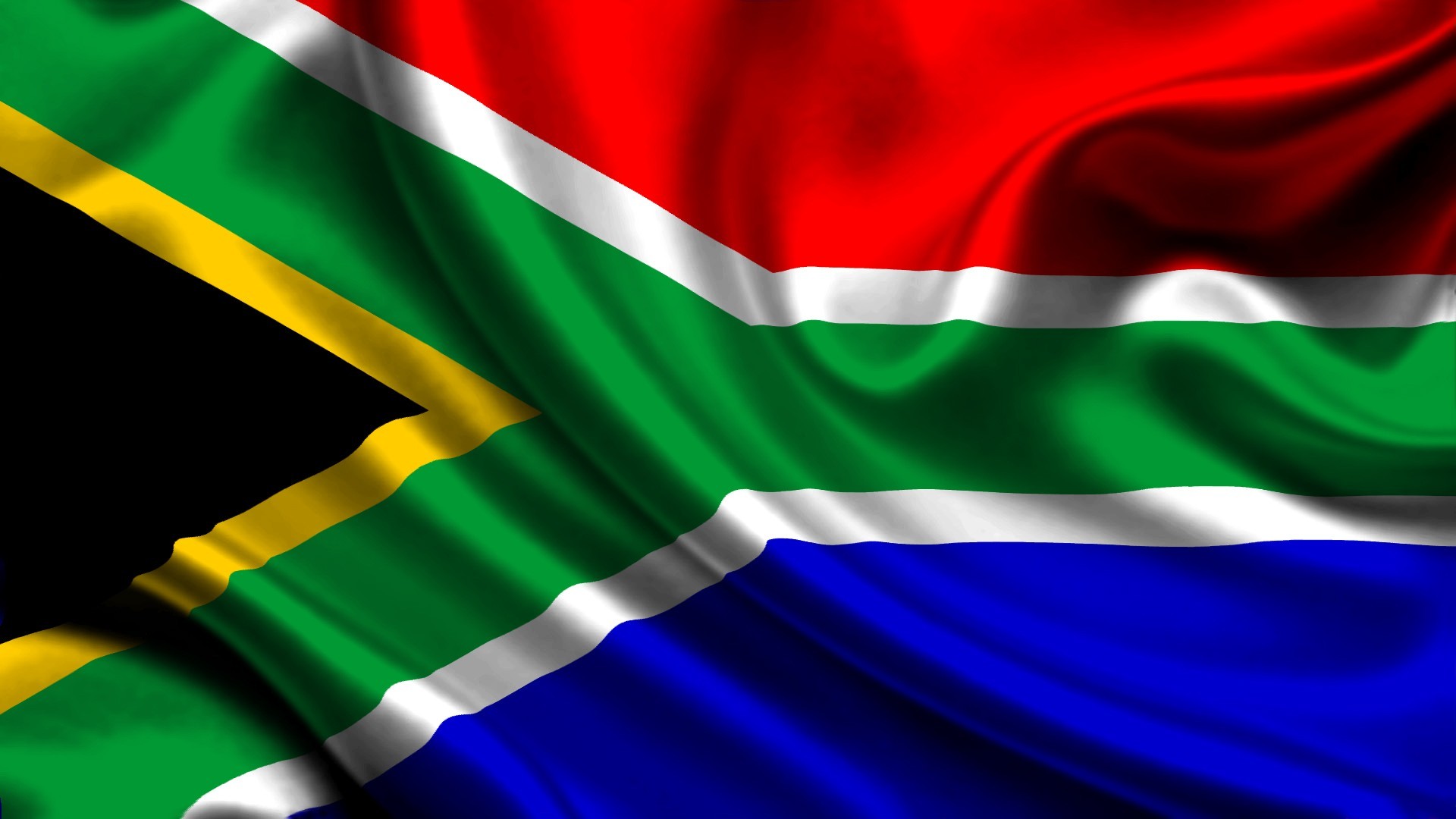
South Africa’s reform trajectory is bifurcated: administrative upgrades like e-visas and the Trusted Employer Scheme are improving business efficiency, while electricity and rail logistics reforms stall. Key delays include the postponed wheeling framework (now set for September 2026), Eskom’s R2bn debt to IPPs, and the non-operational Transport Economic Regulator. In contrast, Durban Gateway Terminal’s financial close unlocked R11.1bn in investment, signaling strong private interest in ports. Analysts stress that without grid and rail unbundling, industrial expansion and job creation remain capped.
According to www.greenbuildingafrica.co.za, South Africa’s structural reform progress remains uneven: administrative improvements are advancing, while critical delays persist in electricity market liberalization and rail logistics institutional reform.
Administrative Gains Boost Business Environment
Reforms in Home Affairs and public services are delivering measurable efficiency gains. The Trusted Employer Scheme has been extended, enabling faster processing of skilled worker visas — a direct response to labor shortages in priority sectors. Concurrently, the nationwide rollout of e-visas continues, supporting tourism recovery and formal job creation. According to the latest quarterly update of the Business Leadership South Africa (BLSA) Reform Tracker, these initiatives collectively reduce bureaucratic friction for foreign investors and domestic firms alike.
Busisiwe (Busi) Mavuso, CEO of Business Leadership South Africa, underscored this duality in her weekly newsletter dated July 28, 2026:
“South Africa is showing mixed progress on structural reforms, with gains in administrative efficiency offset by setbacks in electricity and logistics, the two sectors most critical to economic growth.” — Busisiwe (Busi) Mavuso, CEO of Business Leadership South Africa
Electricity Reform Stalls Amid Missed Deadlines
The electricity sector faces mounting investor concern due to repeated delays. The long-awaited wheeling framework — intended to allow private generators to transmit power across the national grid — was originally scheduled for implementation in April 2026 but has now been pushed to September 2026. Progress toward establishing a competitive wholesale electricity market has also stalled entirely.
Independent power producers (IPPs) face operational headwinds: Eskom currently owes them nearly R2bn for curtailed electricity — power that was generated but not accepted into the grid. This financial strain undermines confidence in private investment returns. Critically, the government-endorsed separation of the independent system operator from Eskom remains delayed despite being a cornerstone of energy policy. While load shedding has eased recently, analysts warn reduced urgency risks derailing long-term capacity expansion.
Port Concessions Advance, Rail Reform Lags
Logistics infrastructure shows tangible momentum. The Durban Gateway Terminal concession has reached financial close, unlocking R11.1bn in private investment — a strong signal of market confidence in South African port assets. Multiple other port terminals have now been incorporated into the national concessioning programme. Draft access conditions for the national rail network have also been published, outlining pathways for private freight operators to enter the market.
Yet institutional reform lags behind infrastructure deals. The Transport Economic Regulator remains non-operational more than two years after its statutory establishment mandate. Efforts to legally and functionally separate rail infrastructure management from Transnet have lost momentum. Without these foundational changes, industry stakeholders caution that private participation will remain constrained and efficiency gains limited.
The report emphasizes that reform outcomes correlate strongly with governmental oversight clarity: progress is strongest where ministers maintain direct accountability, and weakest where state-owned enterprises resist unbundling. The unbundling of both the electricity grid and rail network remains central to unlocking large-scale private capital and sustaining long-term GDP growth.
Source: greenbuildingafrica.co.za
Compiled from international media by the SCI.AI editorial team.