

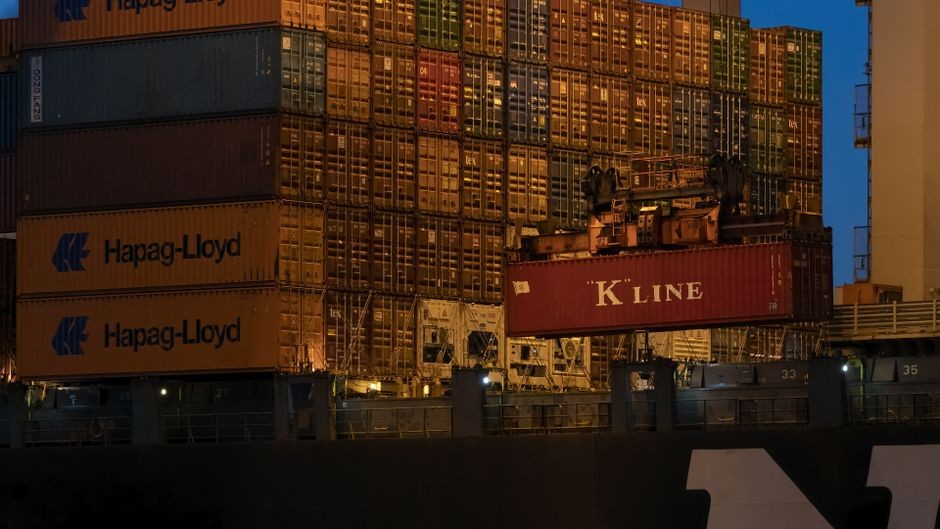
The Trump administration imposed 50% tariffs on Canadian goods—including motor vehicles, alcohol, and dairy—effective 30 days after July 20, 2026, citing trade discrimination under Section 338 of the Tariff Act of 1930. The move targets products ranging from wine to hockey sticks and overrides USMCA protections. Ontario Premier Doug Ford pledged a 'tariff for tariff, dollar for dollar' response. Section 338 hasn’t been used since 1949, according to legal analysis. The action follows the administration’s decision not to renew USMCA and stems from escalating bilateral tensions over trade fairness and transboundary environmental impacts.
According to www.cnbc.com, the U.S. government has imposed additional 50% tariffs on a range of Canadian imports in response to alleged trade discrimination across three sectors: motor vehicles, alcohol, and dairy.
Legal Basis and Implementation Timeline
President Donald Trump signed three separate proclamations on Monday, July 20, 2026, activating the tariffs under Section 338 of the Tariff Act of 1930. This statutory authority—rarely invoked since 1949—permits the president to levy duties of up to 50% against countries found to be discriminating against U.S. exports. According to senior Trump administration officials briefing reporters, the new tariffs will take effect 30 days after the proclamations’ signing date.
Scope of Targeted Goods
The three proclamations collectively cover a diverse set of Canadian products, including but not limited to wine, hockey sticks, and cement. As one official stated during the press call:
“Canada has to be held accountable for this continued discrimination.”
Crucially, the tariffs apply to all covered goods, regardless of whether they fall under the existing United States–Mexico–Canada Agreement (USMCA). The administration emphasized that these measures are distinct from recent environmental disputes—including transboundary wildfire smoke—but confirmed that Trump had “asked for options” regarding potential tariff-linked responses to those events.
Canadian Political Response
Ontario Premier Doug Ford responded publicly on X (formerly Twitter) later the same day, declaring that Canada “should respond tariff for tariff, dollar for dollar” if the U.S. duties proceed. His statement reflects mounting bilateral tension amid broader trade friction. The Canadian Embassy in Washington, D.C., did not issue an immediate comment when contacted by CNBC.
Contextual Backdrop: USMCA Uncertainty and Escalating Disputes
This action follows earlier moves signaling the erosion of the trilateral USMCA framework. Earlier in July 2026, the Trump administration announced it would not renew the agreement, instead initiating annual reviews that cast uncertainty over its long-term viability. Last year saw reciprocal tariff escalations between the two nations, with Ottawa retaliating against prior U.S. import duties. The current dispute also builds on Trump’s public criticism of Canadian wildfire management—citing U.S. economic losses “in the billions of dollars” due to air quality degradation across the U.S. mainland—and his assertion on Truth Social that those costs “must of necessity be added to the TARIFFS Canada is currently paying.”
Industry and Legal Implications
Legal experts note the exceptional nature of invoking Section 338. In a 2016 analysis, attorneys John Veroneau and Catherine Gibson of Covington & Burling LLP observed that the provision had “gone unused for decades,” with no public record of its application since 1949. For supply chain professionals, the immediate impact includes cost recalculations for cross-border shipments involving Canadian-sourced automotive components, dairy ingredients, and alcoholic beverages. Since the tariffs override USMCA protections, companies cannot rely on preferential duty treatment—even for goods previously qualifying under rules of origin. This introduces both pricing volatility and sourcing reconsideration, particularly for U.S.-based manufacturers dependent on just-in-time Canadian inputs.
Source: CNBC
Compiled from international media by the SCI.AI editorial team.


