Indonesia’s government is launching a coordinated effort to embed domestic products—starting with fisheries from Baubau, Southeast Sulawesi—into the hajj and umrah supply chain for its 220,000+ annual pilgrims in Saudi Arabia. President Prabowo Subianto directed the move to boost local economies, with Minister Mochamad Irfan Yusuf ordering immediate business matching between Indonesian producers and Saudi importers by mid-July 2026. The plan includes halal certification, cold-chain logistics, and an expo in South Sulawesi targeting concrete export contracts. It follows a Rp4.2 trillion regional tax shortfall in Banten, underscoring urgency for new revenue streams.
According to faktabanten.co.id, Indonesia’s Minister of Hajj and Umrah, Mochamad Irfan Yusuf, confirmed President Prabowo Subianto’s directive to integrate domestic products—especially fisheries—into the official supply chain for Indonesian pilgrims in Saudi Arabia.
Presidential Mandate for Economic Integration
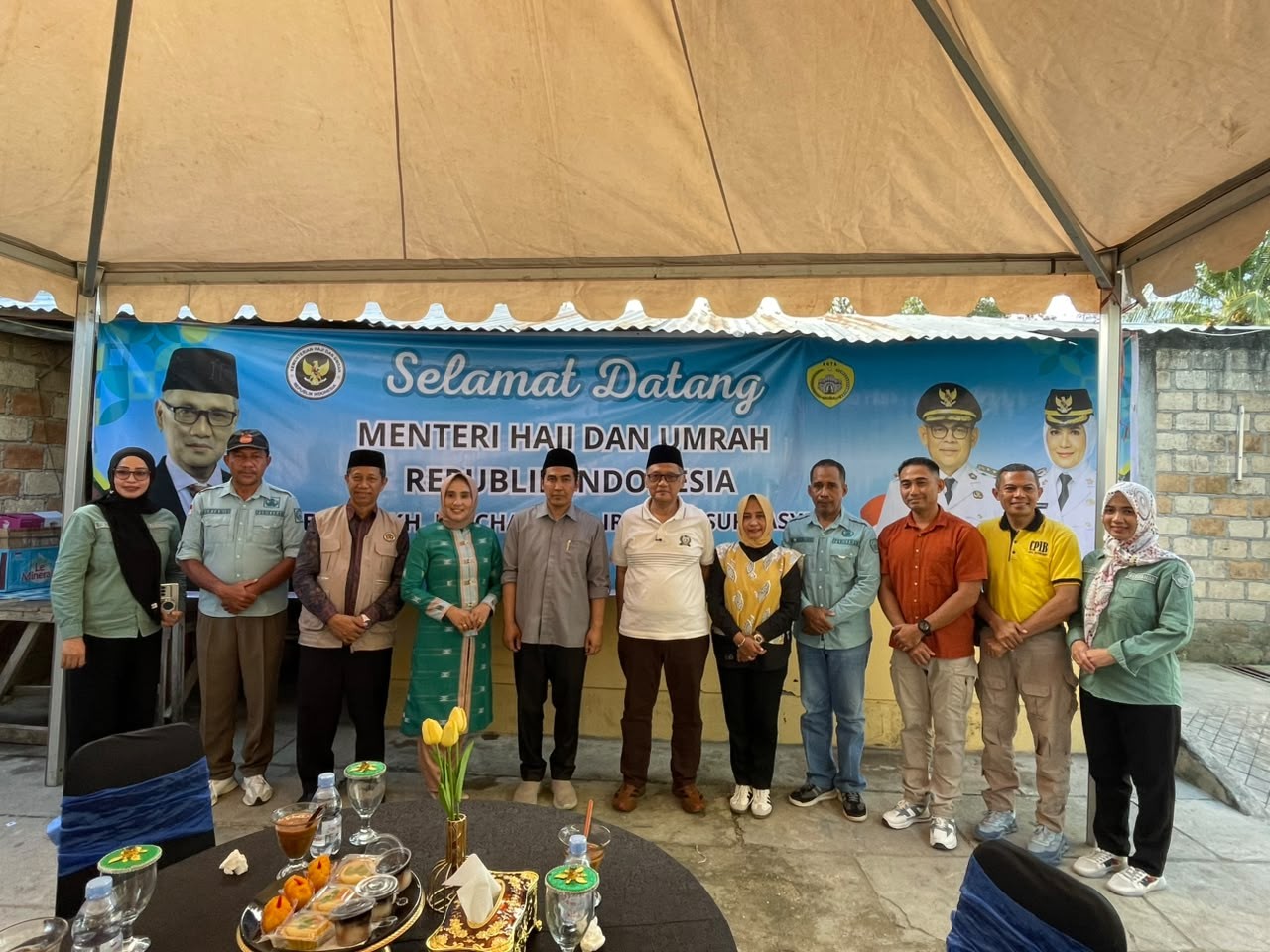
President Prabowo’s instruction centers on transforming hajj and umrah logistics from a religious service into a national economic catalyst. During a visit to Baubau City in Southeast Sulawesi on 11 July 2026, Minister Irfan emphasized that the scale of annual pilgrimage demand must directly benefit local producers—including UMKMs, fishers, processors, exporters, and logistics firms.
“
President Prabowo has instructed that the hajj and umrah ecosystem deliver added value to the national economy. Pilgrimage operations must help grow community-level economic potential. Indonesian products must meet the consumption needs of hajj and umrah pilgrims.
” said Minister Mochamad Irfan Yusuf.
Fisheries as Strategic Entry Point
The Baubau visit targeted Indonesia’s eastern fisheries sector, where large-scale production of fresh and processed seafood is already underway. The ministry assessed processing facilities, packaging lines, food safety protocols, and export readiness at a local fish processing plant. According to the report, Indonesia possesses abundant and diverse marine resources—yet these have not been systematically aligned with the estimated 220,000+ annual Indonesian pilgrims requiring halal-certified meals in Saudi Arabia.
The minister stressed that current reliance on imported food supplies must be reduced: “Our demand should not be fully met by foreign products. We must prepare our own goods, strengthen our industries, and ensure they meet Saudi Arabia’s applicable standards.” To achieve this, the ministry identified six critical enablers: enhanced domestic production capacity, harmonized food safety standards, halal certification, compliant packaging, reliable cold-chain distribution, and formalized export access.
Concrete Implementation Timeline and Actors
To accelerate execution, Minister Irfan ordered Prof. Dr. Jaenal Effendi, M.A., Director General of Hajj and Umrah Economic Ecosystem Development, to convene immediate business-to-business matchmaking between Indonesian producers and Saudi importers. This directive was issued on 11 July 2026, during the Baubau site visit.
Jaenal Effendi confirmed he would begin mapping priority sectors—including fisheries, processed foods, ritual supplies, logistics services, and certification bodies—within 30 days. He stated the goal is “concrete business-to-business cooperation so Indonesian products enter the hajj and umrah supply chain without delay.”
- Targeted sectors: fisheries, processed foods, ritual equipment, logistics, certification, and financing
- Planned regional expo location: South Sulawesi (selected for transport access and inter-provincial trade networks)
- Stakeholders invited: UMKMs, exporters, Saudi caterers, importers, halal certifiers, banks, and logistics providers
Multi-Agency Coordination Framework
The Ministry of Hajj and Umrah will coordinate with Indonesia’s Ministry of Trade, Ministry of Maritime Affairs and Fisheries, provincial governments, Bapenda Banten (Regional Revenue Agency), banking institutions, and logistics operators. This cross-ministerial alignment aims to resolve bottlenecks in standardization, financing, and certification—particularly addressing the Rp4.2 trillion shortfall in regional tax collection cited in Banten Province’s fiscal update for 2026.
The initiative also responds to broader industry trends: over the past five years, Gulf Cooperation Council (GCC) countries have increased halal food imports by 17% annually, while Indonesia’s share remains below 3% of total GCC halal food imports. Regional supply chain professionals note that integrating domestic producers into high-volume, regulated religious logistics offers a replicable model for other ASEAN nations seeking to leverage faith-based trade corridors.
Source: faktabanten.co.id
Compiled from international media by the SCI.AI editorial team.