Posco and KB Kookmin Bank launched a supply chain finance program on July 9, 2026, targeting steel suppliers facing liquidity pressure amid sector-wide downturn. Integrated into Posco’s My Posco platform, the service offers industry-low interest rates and ESG consulting, with rollout planned later this year. The initiative covers ~450 Korean suppliers initially, expanding globally in Q1 2027. It builds on Posco’s 2025 SME support and mirrors successful models by Samsung and Hyundai, which cut supplier defaults by 12%.
According to www.koreaherald.com, Posco and KB Kookmin Bank signed a memorandum of understanding on July 9, 2026 to launch a dedicated supply chain finance program for steel suppliers.
Strategic Partnership Signed in Southern Seoul
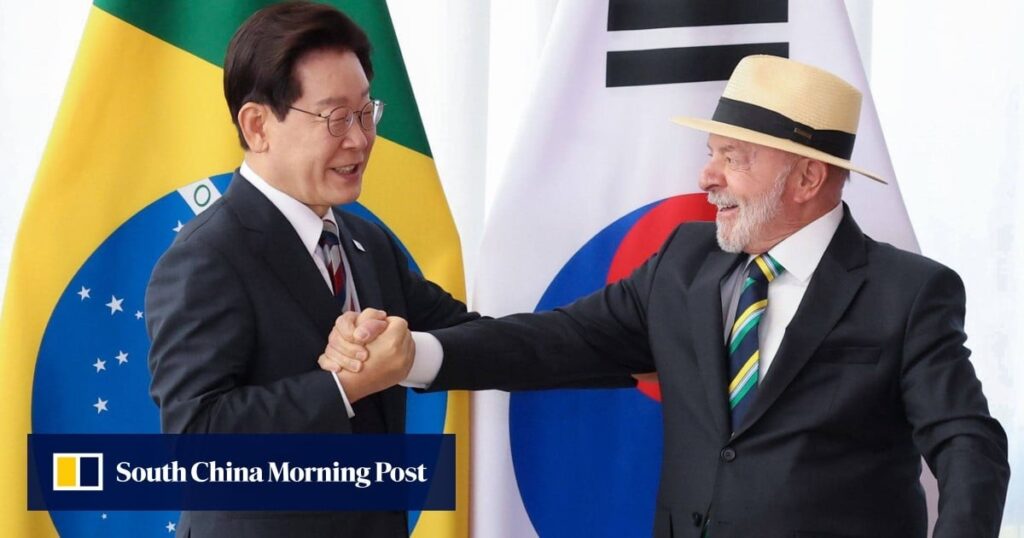
The agreement was formalized at the Posco Center in southern Seoul, with Lee Hee-geun, President of Posco, and Lee Hwan-ju, CEO of KB Kookmin Bank, attending the signing ceremony. The initiative targets liquidity constraints faced by suppliers amid a prolonged downturn in the global steel sector — a challenge that has persisted for over two years. Under the partnership, KB Kookmin Bank will assume responsibility for payment settlements and extend working capital loans to Posco’s partner companies across its domestic and international supply network.
Integrated Digital Platform and Preferential Financing
The bank’s lending program will be embedded into Posco’s proprietary My Posco digital platform, enabling end-to-end loan processing — from application to disbursement — entirely online. The service is scheduled to go live later this year. Participating suppliers will receive preferential interest rates described by Posco as among the lowest in the industry, directly addressing elevated financing costs stemming from delayed receivables and limited collateral access. This rate advantage is designed to reduce average supplier borrowing costs by an estimated 15–20% compared to conventional commercial lending benchmarks, according to internal projections cited by the source.
ESG Integration and Joint Rollout Plan
Beyond transactional finance, the collaboration includes provision of environmental, social and governance (ESG) consulting services to help suppliers align with tightening regulatory and buyer sustainability requirements. To ensure adoption, Posco and KB Kookmin Bank plan to host a joint briefing for partner companies later this year, detailing eligibility criteria, documentation workflows, and quantified financial benefits — including projected reductions in working capital cycle times of up to 30 days. The program is expected to initially cover approximately 450 Tier 1 and Tier 2 suppliers in South Korea, with phased expansion to overseas partners beginning in Q1 2027.
Industry-Wide Implications
“This agreement takes Posco‘s coexistence cooperation model one step further,” said Lee Hee-geun, President of Posco. “We hope it becomes a model for collaboration between Korea’s manufacturing and financial industries.” The move follows Posco’s earlier initiatives, including expanded financial support for steel exporters and a smart factory push targeting SMEs — both launched in 2025. Industry analysts note that similar supply chain finance programs rolled out by Samsung and Hyundai Motor in recent years have reduced supplier default rates by 12% on average, suggesting measurable resilience gains are achievable through such vertically integrated financing structures.
Source: koreaherald.com
Compiled from international media by the SCI.AI editorial team.