NITI Aayog’s Trade Watch Quarterly report reveals India’s pharmaceutical sector remains heavily reliant on Chinese inputs: 65% of active pharmaceutical ingredients (APIs) are imported from China. Despite supplying 50% of Africa’s medicines, India holds just a 0.6% share in high-value vaccines and advanced therapies. Total trade hit $1.84 trillion in Q1 FY2026, but merchandise imports rose 11.9% while exports fell 2.8%. Services exports—driven by IT—generated a $60.4 billion surplus, containing the overall trade deficit at $23.15 billion. The report urges raising R&D spending beyond 7% and shifting toward branded, tech-driven products.
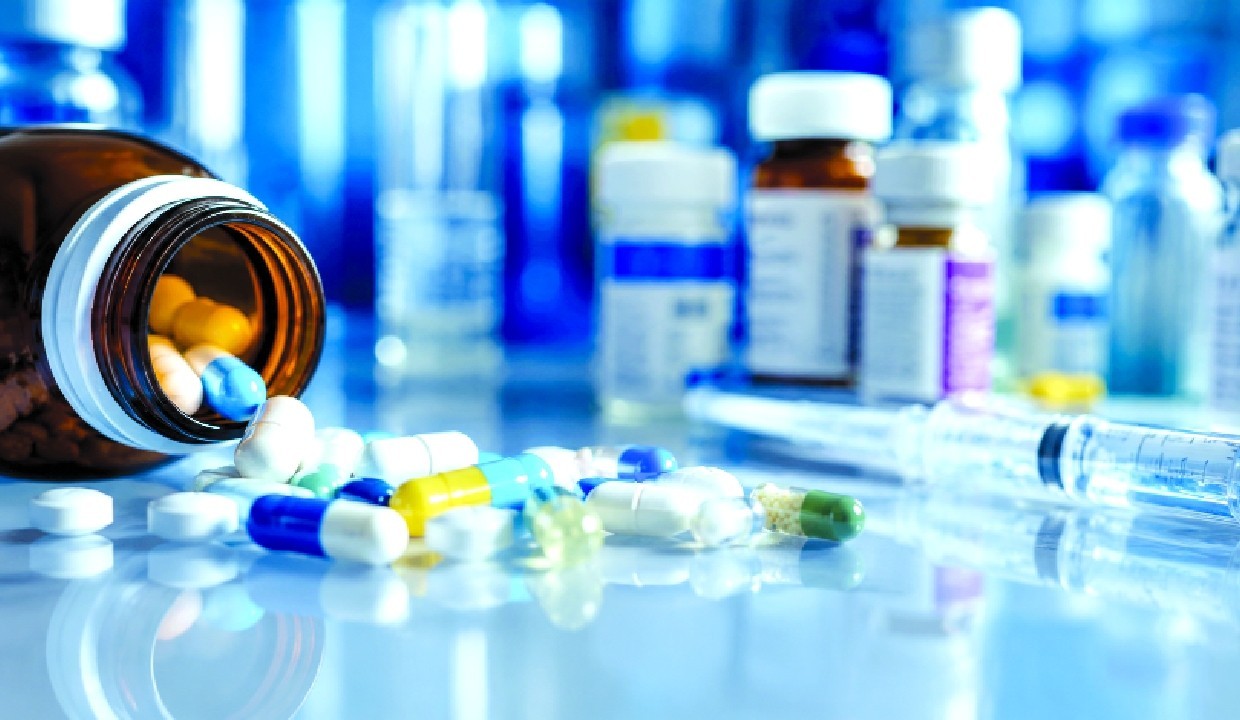
According to www.telugutimes.net, India’s pharmaceutical supply chain remains critically exposed to external shocks, with 65% of its active pharmaceutical ingredients (APIs) imported from China, per findings in NITI Aayog’s latest Trade Watch Quarterly report.
Trade Imbalance Widens Amid Services Offset
The report documents a growing trade imbalance: total trade reached $1.84 trillion (Rs 174.3 lakh crore) in the January–March 2026 quarter, but imports outpaced exports. While exports rose 4.2%, imports surged 6.5%. The disparity was starker in goods trade — merchandise exports fell 2.8%, while merchandise imports climbed 11.9%.
That widening gap was partially mitigated by services exports, which grew 9% — driven primarily by IT and digital services. Services exports totaled $111 billion (Rs 10.51 lakh crore), generating a surplus of $60.4 billion (Rs 5.72 lakh crore). This cushioned the overall trade deficit at $23.15 billion (Rs 2.19 lakh crore).
Manufacturing Under Pressure, Gold Imports Surge
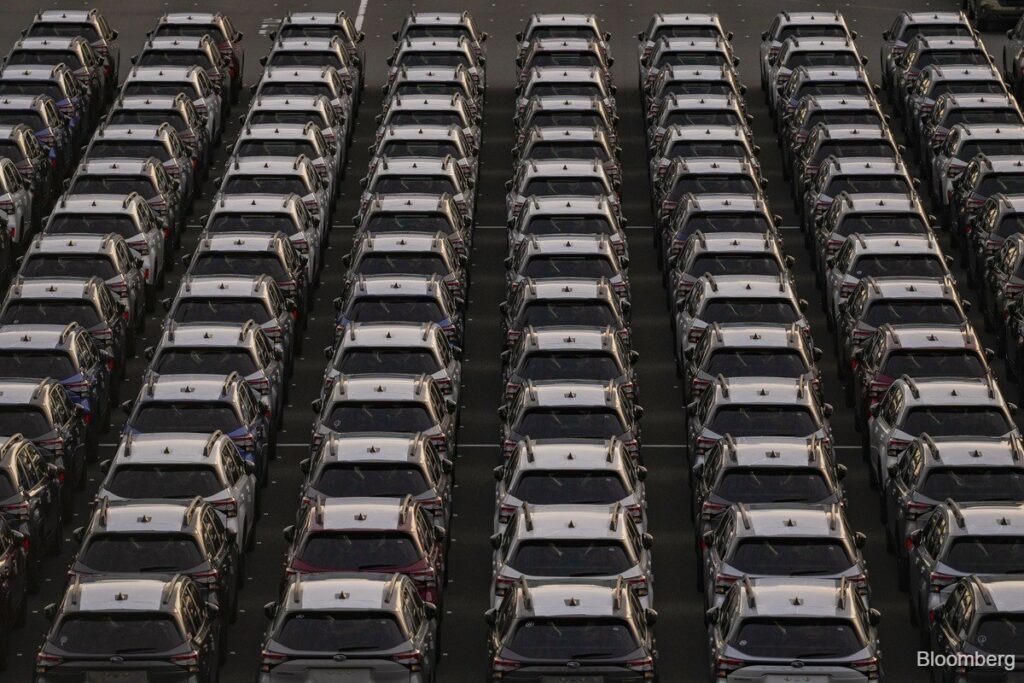
Domestic manufacturing capacity is failing to keep pace with global demand, reinforcing import dependence. Goods exports declined to $112 billion (Rs 10.62 lakh crore), while goods imports rose to $195.5 billion (Rs 18.51 lakh crore). On the export side, iron and steel shipments increased 18.4% and automobile exports rose 14.2%; however, gems and jewellery exports contracted due to geopolitical tensions.
On the import side, gold and silver imports spiked 82%, reflecting heightened demand and price volatility, while fuel imports dropped 11%. The report attributes this divergence to shifting global commodity dynamics and domestic policy adjustments.
Pharma Strength Masks Structural Vulnerability
India supplies 50% of Africa’s medicine needs and holds a leading position as the “pharmacy of the world” for generic drugs — yet this leadership rests on fragile foundations. The country commands only a 0.6% share in high-value therapeutic segments such as vaccines and advanced therapies, where pricing power and margins are highest.
The root cause lies in upstream dependency: NITI Aayog identifies that 65% of APIs — the essential chemical building blocks of medicines — are sourced from China. This concentration poses acute supply chain risk, especially amid trade friction, pandemic-related disruptions, and export controls.
R&D Investment and Strategic Shift Recommended
To capitalize on the $1.3 trillion (Rs 123.13 lakh crore) global pharmaceutical market, the report argues volume growth alone is insufficient. It recommends raising India’s current R&D investment — currently at 7% — and pivoting toward technology-enabled, high-value branded products.
This shift would reduce exposure to low-margin API manufacturing and build resilience through vertical integration, innovation capacity, and regulatory alignment with stringent international standards. Without such strategic recalibration, the report warns, India’s pharma leadership will remain vulnerable to external supply shocks and unable to capture value in next-generation therapeutics.
Source: telugutimes.net
Compiled from international media by the SCI.AI editorial team.