FedEx's operational disruption in Vietnam—triggered by a botched April 26 switch from Song Binh to Viettel Post and concurrent IT system rollout—caused severe import backlogs, stranded cargo at Hanoi and Ho Chi Minh City warehouses, failed hotlines, and production halts. The company confirmed a near-50% reduction in backlogs by late May versus peak levels, restored customs clearance, and now completes approximately 4,500 deliveries daily. Cargo holds at Hanoi airport have ended, and retrieval wait times at Ho Chi Minh City airport dropped from two days to one. FedEx waived storage charges, deployed a dedicated task force, and coordinated with customs authorities to expedite processing.
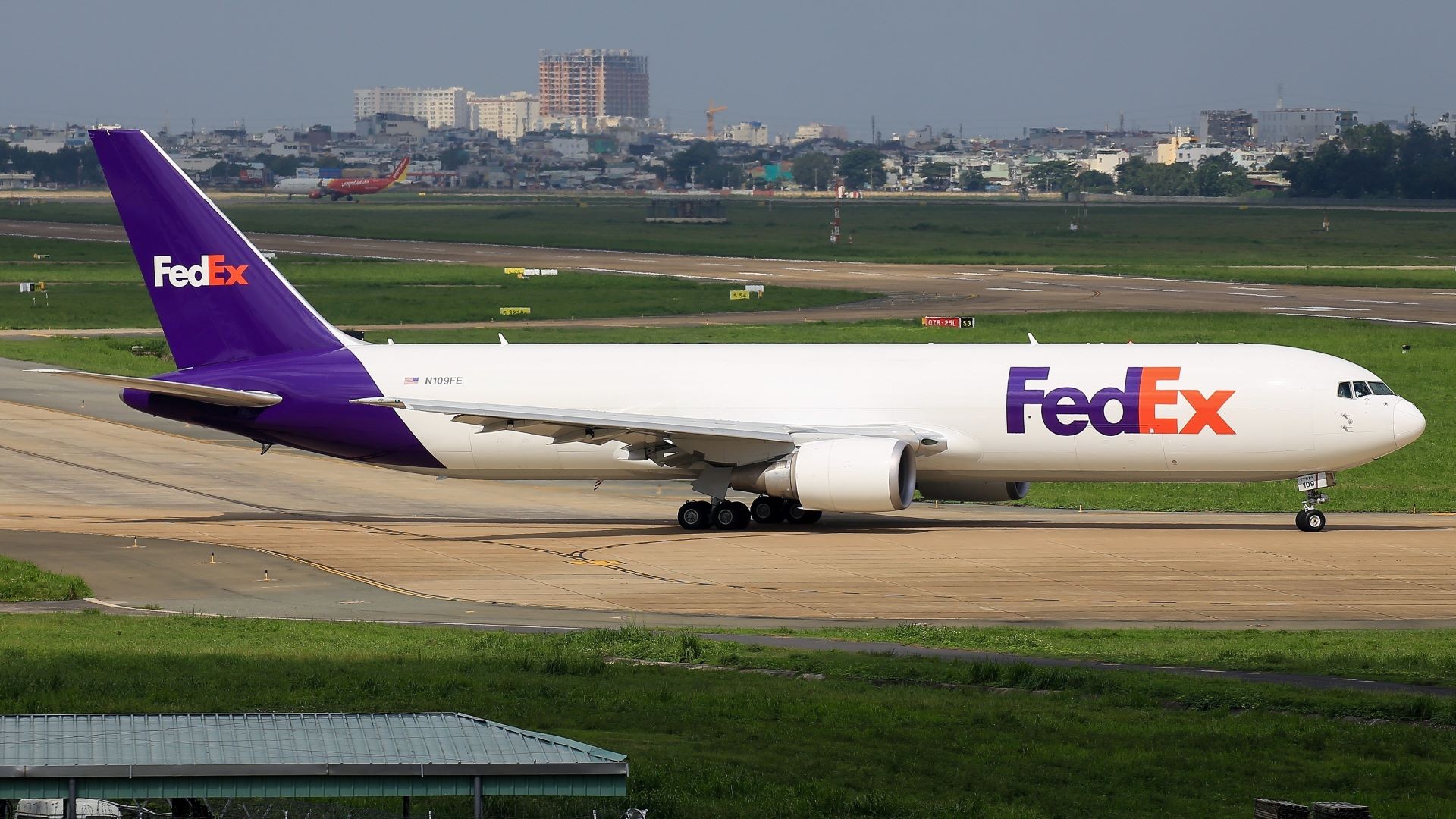
FedEx says shipping delays in Vietnam have eased this month after a bungled switch to a different ground delivery provider and the rollout of new technology led many customers to loudly complain about difficulty retrieving inbound goods from warehouses.
The freight transportation giant has worked for weeks to restore service levels for customs clearance and local delivery for inbound shipments, but specifics about the exact nature of the disruption have been hard to come by.
FedEx (NYSE: FDX) attributed the shipment delays and cargo congestion in warehouses to challenges associated with transitioning to a new contract courier, and the introduction of new technology and workflows designed to match global operating standards. The complexity of simultaneously implementing new systems, processes and teams created transition challenges, May 29 service bulletin on FedEx’s Vietnam website.
Operational meltdown triggered April 26
Vietnamese newspaNien reported that problems began on April 26 when FedEx switched from long-time national delivery partner Song Binh to Viettel Post for pickup and last-mile delivery after customs clearance.
International traders and logistics companies quickly flooded social media forums with complaints about import shipments stranded at warehouses in Hanoi and Ho Chi Minh City for several days, FedEx hotlines that couldn’t be reached for assistance, and no clear point of contact for getting status reports. Businesses also reported having to cancel and resubmit customs declarations because of mismatches related to the new transport provider, as storage fees mounted for goods that were stuck.
In one case, a garment company was unable to collect fabric samples sent by its international client that were urgently needed to meet production deadlines. The shipment sat in a Hanoi warehouse for days without being released, which put the company at risk of having the order canceled and paying penalties, article by Thanh Nien. Another customer expressed dismay that a shipment which requires cold storage was languishing at the airport cargo terminal, and had likely spoiled, because it couldn’t be processed by customs authorities. Other companies said they had to halt production lines because they hadn’t received raw materials from overseas.
Recovery measures and quantified progress
“FedEx has implemented a more integrated operating model to strengthen our long-term capabilities in Vietnam. We are actively executing contingency plans — including increased sorting capacity, enhanced customer service, and additional clearance support — to accelerate recovery, restore normal operations, and minimize impact for our customers,” the company said in a statement last week to FreightWaves.
A follow-up request for more details about what caused the meltdown was met with a second statement.
“The recent temporary delays affected pickup, delivery, and import clearance processing which resulted from higher-than-usual shipment volumes following public holidays and our recent operational transition. While the initial transition temporarily impacted processing within our facilities, our recovery actions are yielding positive results, including normalized clearance and local delivery operations. This consistent progress is steadily improving service consistency across the Vietnam network,” FedEx said on Tuesday.
FedEx said it initiated a series of steps to speed up the restoration of normal operations, including hiring and deploying additional personnel to increase processing capacity in warehouses and call centers. It also established a dedicated task force to manage, prioritize and clear the shipment backlog, waived storage charges during the period for impacted shipments, and prioritized claims processing for affected customers. Specialists are coordinating with customs authorities on expediting shipment processing.
Backlog halved, throughput rising
In the May 29 bulletin, FedEx said backlogs had decreased by nearly 50% compared to peak levels in early May. Shipment flows through customs and last-mile delivery are becoming more stable, it said at the time.
FedEx added that pickup and same-day uplift performance for outbound shipments are trending toward pre-transition levels, while approximately 4,500 deliveries are currently being completed daily, reflecting increased throughput across the network.
On Monday, the global express logistics provider told customers that operations continue to improve, resulting in fewer backlogs and allowing shippers to send and receive shipments with fewer delays. There are no more cargo holds at Hanoi airport and the extra wait time to retrieve cargo at Ho Chi Minh City airport has been reduced from two days to one day, the notice said.
“Our team remains focused on stabilizing operations and restoring service consistency as quickly as possible,”
— Masamichi Ujiie, president of FedEx North and South Pacific
Source: FreightWaves
Compiled from international media by the SCI.AI editorial team.