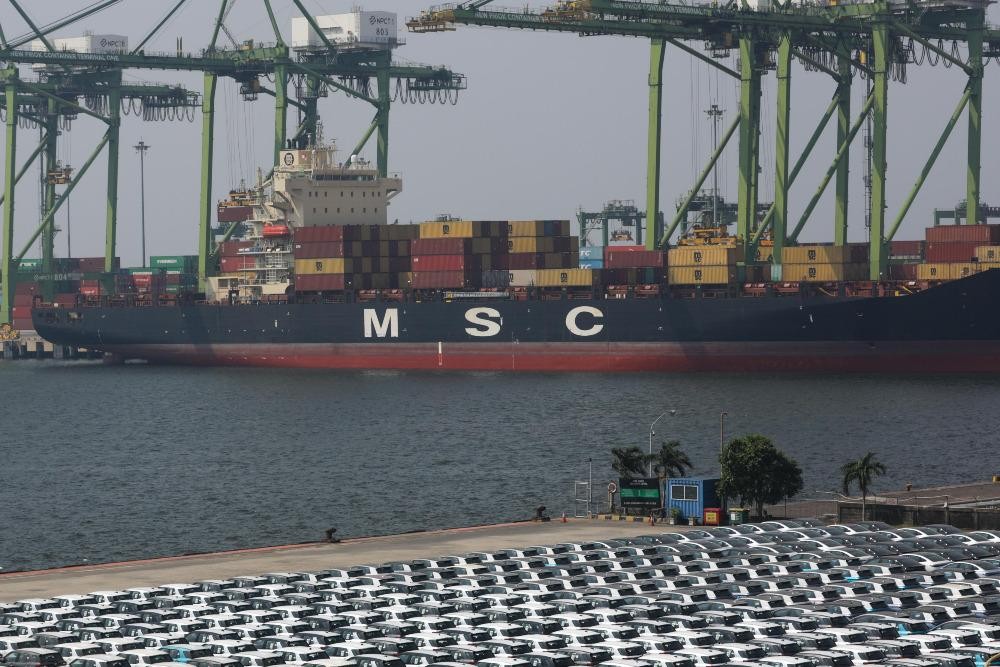
Indonesia and Canada signed the Indonesia-Canada Comprehensive Economic Partnership Agreement (ICA-CEPA) on 24 June 2026, eliminating 95% of bilateral trade barriers. The deal grants duty-free access to Canada’s 40-million-person market with $52,000 GDP per capita, benefiting manufacturing, agri-exports, and digital services. Tariffs previously ranging from 5% to 15% are fully removed. With Indonesia’s Q4 2025 GDP growth at 5.08% and unemployment at 4.91% (August 2024), the agreement aims to boost export-led job creation and stabilize forex flows amid rupiah volatility.
According to bernas.id, Indonesia and Canada formally signed the Indonesia-Canada Comprehensive Economic Partnership Agreement (ICA-CEPA) on 24 June 2026, eliminating 95% of bilateral trade barriers.
Economic Context and Strategic Rationale
The agreement marks a deliberate pivot in Indonesia’s export diversification strategy—reducing reliance on traditional markets and targeting G7 economies with high purchasing power. Canada’s population stands at 40 million, with a GDP per capita of USD 52,000. Indonesia’s national economy grew by 5.08% in Q4 2025, according to Statistics Indonesia (BPS), providing macroeconomic momentum for export-led expansion. The Ministry of Trade described ICA-CEPA as a “sambung napas” — translated as “breathing space” — for the national economy amid turbulent global trade conditions.
Sectoral Opportunities: Manufacturing and Agriculture
Indonesian manufacturers—particularly in textiles, automotive components, electronics, and household appliances—now gain duty-free access to the Canadian market. Previously, average tariff rates on Indonesian exports to Canada ranged from 5% to 15%, all of which are eliminated under the agreement. Agricultural exporters also benefit: cocoa, coffee, palm oil, and seafood now enjoy preferential market access. Meanwhile, digital services firms can leverage Canada’s robust demand for B2B SaaS and IT outsourcing—a sector where average monthly wages in Indonesia’s information and communications industry reached Rp 5,240,000.
Compliance and Capacity Building
Realizing these opportunities requires strict adherence to Canadian regulatory standards—including environmental certification, food safety protocols, and labor standards. The Ministry of Trade is rolling out capacity-building programs to accelerate readiness among micro, small, and medium enterprises (MSMEs). With Indonesia’s official unemployment rate at 4.91% in August 2024, the agreement is expected to generate new jobs in export logistics, quality assurance, and cross-border compliance functions.
Investment and Digital Infrastructure
ICA-CEPA also opens pathways for Canadian foreign direct investment (FDI) into Indonesia, especially in renewable energy, information technology, and modern agriculture. This aligns with Indonesia’s broader national vision—including the Surabaya Digital Transformation Strategy targeting Indonesia Emas 2045. To support seamless trade execution, the government is prioritizing blockchain-enabled supply chain digitization between the two countries. As noted in coverage of the 2026 Economic Census, AI-driven data intelligence is critical for real-time market identification and dynamic resource allocation across export corridors.
Risk Mitigation and Currency Stability
The agreement serves as a strategic buffer against external volatility. Amid recent rupiah depreciation—reaching Rp 17,931 per USD—the deal strengthens foreign exchange inflows through diversified export revenue streams. A comparative benchmark highlights policy caution: Switzerland’s record-high household debt underscores the need for disciplined consumer credit management alongside trade liberalization, to prevent financial bubbles. Public sentiment toward ICA-CEPA remains positive, though targeted outreach to MSMEs remains a priority to ensure equitable participation.
Source: bernas.id
Compiled from international media by the SCI.AI editorial team.