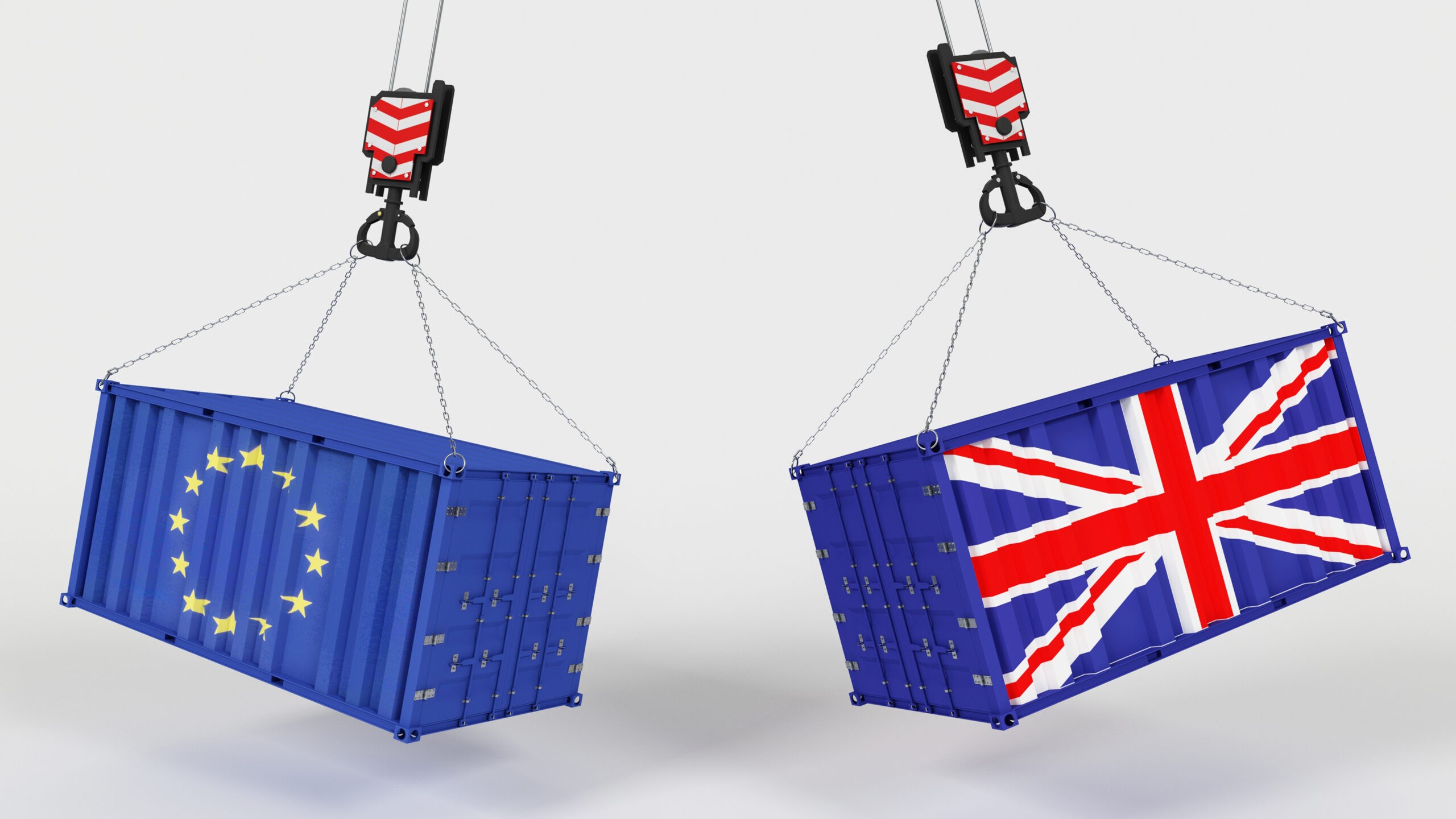
A decade after the UK’s Brexit vote, cross-border logistics between the UK and EU face doubled border delays, £1,800 average compliance costs per SME shipment, and a 5.5% smaller economy than projected under continued EU membership. Over 78 new compliance startups launched from 2021–2024, capitalizing on new customs, SPS, and rules-of-origin requirements. Supply chain professionals have adapted — but the article stresses that operational resilience shouldn’t substitute for rational trade policy.
According to logisticsbusiness.com, the UK’s departure from the European Union has increased administrative burdens, extended border processing times, and raised operational costs for logistics providers and exporters across the UK–EU trade corridor.
Operational Friction Deepens Across the Channel
Ten years after the June 2016 referendum — formally concluded with the UK’s exit on 31 January 2020 and the end of the transition period on 31 December 2020 — cross-border freight movements between the UK and continental Europe remain materially more complex. What was once a near-frictionless flow now requires mandatory customs declarations, rules-of-origin documentation, sanitary and phytosanitary (SPS) checks for agri-food shipments, and divergent regulatory conformity assessments. According to the report, border clearance times for road freight have doubled, with average delays rising from under 30 minutes pre-Brexit to over 60 minutes at key landfall points including Dover and Holyhead.
Economic Impact: Growth Foregone, Investment Stalled
Multiple peer-reviewed studies cited in the source indicate that the UK economy is 5.5% smaller than it would have been had the country remained in the European Single Market through 2025. Business investment has declined by an estimated 12% relative to pre-referendum forecasts, with prolonged policy uncertainty cited as a primary deterrent. SME exporters have borne disproportionate strain: over 42% of UK-based small businesses surveyed reported abandoning EU export plans entirely since 2021, citing compliance costs averaging £1,800 per shipment for full customs and SPS handling.
A New Compliance Economy Emerges
The regulatory complexity created by Brexit catalysed rapid growth in specialist support services. Customs brokerage firms, origin-certification consultants, and logistics technology vendors expanded operations across the UK and Netherlands, with at least 78 new compliance-focused startups incorporated between 2021 and 2024. While many delivered genuine expertise, the source notes that “some of the logistics industry’s most vocal Brexit supporters were also well positioned to benefit from the additional complexity it created.” This dynamic transformed administrative friction into a revenue stream — where every new declaration generated fees, and every regulatory update triggered retainer renewals.
Adaptation Without Justification
Supply chain professionals have adapted pragmatically: dual-system WMS configurations, pre-lodged customs entries, and bonded warehousing near ports are now standard practice. Yet adaptation does not imply endorsement. As the article observes:
“The lesson from Brexit is not that supply chains cannot cope with friction. It is that they should not have to.”
Every added layer — whether a 27-page customs form, a 48-hour SPS inspection window, or a 15% increase in inland haulage insurance premiums — carries quantifiable cost. These are ultimately passed to businesses, consumers, and national productivity metrics. The cumulative drag on UK GDP growth over the decade is estimated at £127 billion, according to the Office for Budget Responsibility’s 2025 retrospective analysis.
Source: logisticsbusiness.com
Compiled from international media by the SCI.AI editorial team.