Burlington Stores acquired two leased distribution centers — one in Savannah, Georgia (2 million sq ft), and another in Riverside, California — as part of its supply chain transformation. Capital expenditures reached $844 million in FY2024, up 12.5% from the $750 million forecast. The company will spend ~$290 million on supply chain initiatives, including completion of the Georgia DC (opening in 2026) and construction launch in Arizona. Burlington operates six existing DCs and holds an option to own a 2.1 million-sq-ft facility in Ellabell, Georgia.
According to www.supplychaindive.com, Burlington Stores has acquired two previously leased distribution centers — one in Savannah, Georgia, and another in Riverside, California — as part of a long-term supply chain investment strategy aimed at owning its most productive facilities.
Strategic Facility Ownership
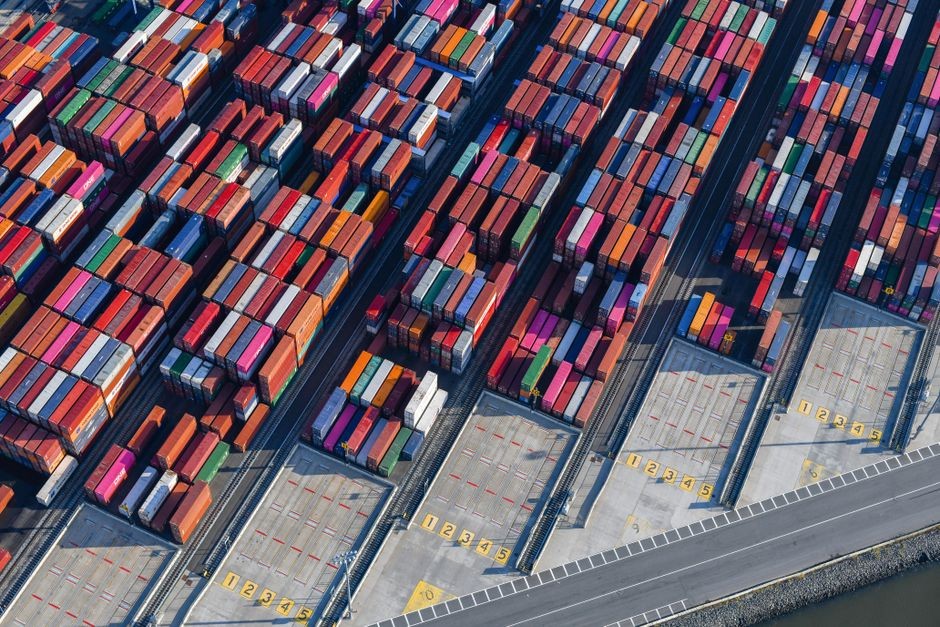
The retailer completed the acquisition of a 2 million-square-foot distribution center in Savannah, Georgia, in Q4 of fiscal year 2024. This facility is expected to open in 2026 and will serve as Burlington’s largest distribution center, designed specifically for its off-price retail model. According to CFO Kristin Wolfe, the new center will be “highly automated” and approximately twice the size of Burlington’s next-largest facility.
Burlington also agreed to purchase a second leased facility in Riverside, California. During a March 6 earnings call, David Glick, group SVP of investor relations and treasurer, described these purchases as “two important steps” in the company’s supply chain transformation. The firm is evaluating whether to raise debt to fund the Riverside acquisition.
Capital Expenditure Surge
Burlington’s capital expenditures rose to $844 million in fiscal year 2024 — a 12.5% increase over its previously projected $750 million. This growth reflects investments across multiple supply chain initiatives, including the Georgia DC build-out and early-stage construction on a new facility in Arizona. The company expects to spend approximately $290 million to support these supply chain initiatives, with the majority allocated to completing the Georgia center and launching construction in Arizona.
The retailer reported that it plans to spend $750 million in capital expenditures in the current fiscal year as it builds “much larger, more automated, more productive new distribution centers to accommodate our growth,” Wolfe said during the Q4 earnings call.
Facility Portfolio Expansion
Burlington currently operates six distribution centers: three in New Jersey and three in California. In addition to the newly acquired Georgia and California sites, the company holds a lease with an option to own a 2.1 million-square-foot facility in Ellabell, Georgia, according to a securities filing. The Arizona distribution center — part of the same long-term strategy — is now under development and will join the Georgia hub as a cornerstone of the retailer’s modernized logistics network.
This expansion aligns with industry-wide trends among major off-price and discount retailers. For example, TJX Companies invested over $1.2 billion in supply chain infrastructure between 2021 and 2023, while Ross Stores committed $900 million to automated distribution capacity through 2025. Burlington’s push toward owned, automated facilities reflects growing pressure to reduce reliance on third-party logistics providers and improve inventory velocity — particularly critical for off-price models requiring rapid receipt, sorting, and store allocation of unpredictable, opportunistic buys.
From a practitioner perspective, the shift signals intensified focus on capital efficiency and labor productivity. Automated sortation, robotic palletizing, and AI-driven slotting algorithms deployed in these new centers are expected to reduce average order processing time by up to 30% versus legacy facilities — a measurable gain cited by supply chain professionals managing multi-channel fulfillment for fast-turning apparel categories.
Source: Supply Chain Dive
Compiled from international media by the SCI.AI editorial team.