

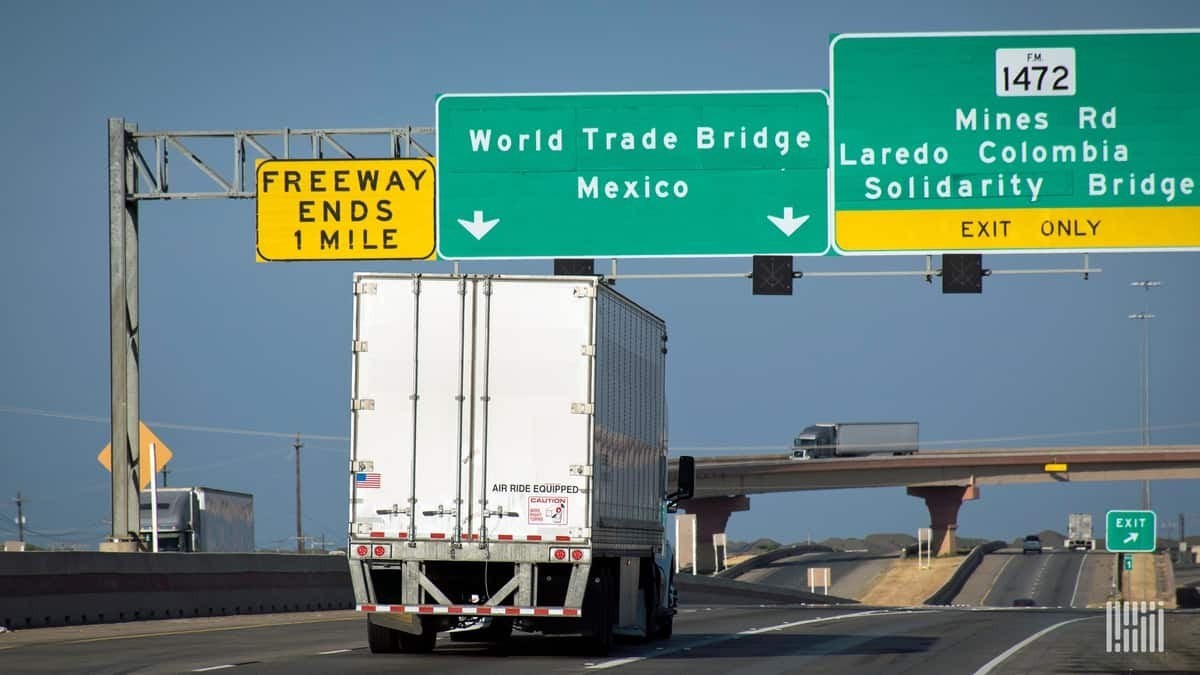
On May 15, 2026, the Texas Supreme Court issued an important decision in In re Home Depot U.S.A., Inc. The court ruled that Home Depot cannot be held liable for a fatal motorcycle crash involving a Werner Enterprises tractor-trailer that was hauling Home Depot’s freight. The court ordered the claims against Home Depot to be dismissed.
What Happened
A young man died when his motorcycle collided with a Werner tractor-trailer. The driver allegedly ran a red light. At the time, Werner was transporting ordinary goods for Home Depot under a routine shipping contract. The victim’s family sued Werner, the driver, and Home Depot. They claimed Home Depot was negligent for choosing to do business with Werner, a large federally regulated carrier with a history of safety violations and crashes. Home Depot filed a motion to dismiss the claims early in the case, arguing it owed no legal duty to the public. When the trial court denied the motion, Home Depot sought emergency relief from the Texas Supreme Court.
Why the Court Dismissed the Claims
Writing for the court, Justice John P. Devine explained that Texas law does not impose a duty of care on a “passive shipper” like Home Depot in this situation. Home Depot did not own or control the truck, employ or supervise the driver, or create any special hazard with its cargo. The shipment involved routine freight moved by an independent, federally regulated motor carrier. The court relied on two basic rules of Texas law: One party generally has no duty to control the conduct of another, and a company that hires an independent contractor is not usually liable for the contractor’s negligence.
Simply hiring a trucking company to haul normal goods does not create liability for accidents caused by the carrier’s driver. The court noted that federal safety regulations already govern carriers like Werner, and shippers should not be required to duplicate that oversight for every routine shipment.
Distinguishing Other Cases
The opinion made clear that this ruling does not apply when a shipper’s own actions create a danger. For example, in United Rentals North America, Inc. v. Evans, the shipper loaded oversized equipment improperly and failed to correct the mistake, which led to an accident. In that case, the shipper’s direct conduct created the risk. No such facts existed in the Home Depot case.
Context: Broker Liability and the Montgomery Case
This decision comes one day after the U.S. Supreme Court’s ruling in Montgomery v. Caribe Transport II on May 14, 2026. In Montgomery, the Court held that freight brokers can face state-law negligent selection claims when they arrange transportation with unsafe carriers. The Federal Aviation Administration Authorization Act (FAAAA) does not preempt these safety-related lawsuits against brokers.
The two rulings draw an important line: In Texas, direct shippers (like Home Depot) using routine shipments generally do not owe a broad duty to the public for a carrier’s negligence. Freight brokers, however, now face greater exposure nationwide after Montgomery.
What This Means for the Industry
For shippers in Texas, the decision provides welcome clarity and protection. Companies that hire federally licensed carriers for ordinary freight shipments are less likely to face “negligent hiring” lawsuits based only on the carrier’s safety record. Brokers, on the other hand, should review and strengthen their carrier vetting programs. Plaintiffs’ attorneys are expected to test the limits of the Montgomery decision in courts across the country.
Bottom Line
The Texas Supreme Court’s decision helps prevent ordinary shipping contracts from turning into open-ended tort liability. It keeps the focus of liability on the parties who actually control the trucks and the roads. Together with the Montgomery ruling, these cases bring greater clarity to an area of law that has created uncertainty and costly litigation for the freight industry. But there remains considerable ambiguity into carrier vetting. Should be expect 50 different standards of care for each state in the union? And if so, is that really what we want?
Upcoming FreightWaves Events
- Supply Chain AI Symposium: Past the hype. Join operators, founders, and enterprise leaders figuring out how to deploy AI in supply chain. July 15, 2026 • The Old Post • Chicago, IL
- F3: Future of Freight Festival: Industry-defining keynotes, rapid-fire technology demos, and industry leaders networking in experiences across Chattanooga — plus the inaugural F3 Awards Dinner featuring the FreightTech and Shipper of Choice reveals. October 27, 2026 – October 28, 2026 • The Signal at Chattanooga Choo Choo • Chattanooga, TN
Source: FreightWaves
Compiled from international media by the SCI.AI editorial team.


