Skip to content

ESG & Regulation · Green Supply Chain · Sustainability

PepsiCo Launches Future Harvest for 900 European Farmers

PepsiCo Foundation has launched Future Harvest with EIT Food to support ~900 young farmers across key European countries. The program links ESG action directly to crop supply resilience for grains and potatoes — core inputs for PepsiCo’s snacks and beverages. As of May 29, 2026, PepsiCo traded at $146.29 (14% below the $171.05 analyst target) and 45.3% below its estimated fair value. The stock fell 5.8% over the prior 30 days. Europe’s farming demographics — median age 57.6, only 11.2% under 35 — underscore the strategic urgency. Investors are advised to track program participation, farming outcomes, and sourcing stability disclosures.

Original source: simplywall.st

PepsiCo Launches Future Harvest for 900 European Farmers
📋 本文要点

PepsiCo Foundation has launched Future Harvest with EIT Food to support ~900 young farmers across key European countries. The program links ESG action directly to crop supply resilience for grains and potatoes — core inputs for PepsiCo’s snacks and beverages. As of May 29, 2026, PepsiCo traded at $146.29 (14% below the $171.05 analyst target) and 45.3% below its estimated fair value. The stock fell 5.8% over the prior 30 days. Europe’s farming demographics — median age 57.6, only 11.2% under 35 — underscore the strategic urgency. Investors are advised to track program participation, farming outcomes, and sourcing stability disclosures.

According to simplywall.st, PepsiCo Foundation — the philanthropic arm of NasdaqGS:PEP — has launched the Future Harvest program in partnership with EIT Food. The initiative targets around 900 young farmers across key European countries, aiming to strengthen intergenerational continuity in agriculture amid Europe’s rapidly aging farming population.

Linking ESG Action to Core Supply Chain Resilience

Future Harvest directly connects PepsiCo’s environmental, social, and governance (ESG) commitments to operational realities: the company relies on long-term, stable access to staple crops including grains and potatoes for its beverage and snack portfolio. With over 45.3% below its estimated fair value per Simply Wall St’s May 2026 valuation model, PepsiCo faces investor scrutiny not only on financial metrics but also on how sustainability initiatives mitigate tangible business risks. The program addresses a structural demographic challenge — the median age of EU farmers is 57.6 years (Eurostat 2023 data), and only 11.2% of EU farm managers are under 35 — making youth engagement critical for future sourcing stability.

Investor Implications and Financial Context

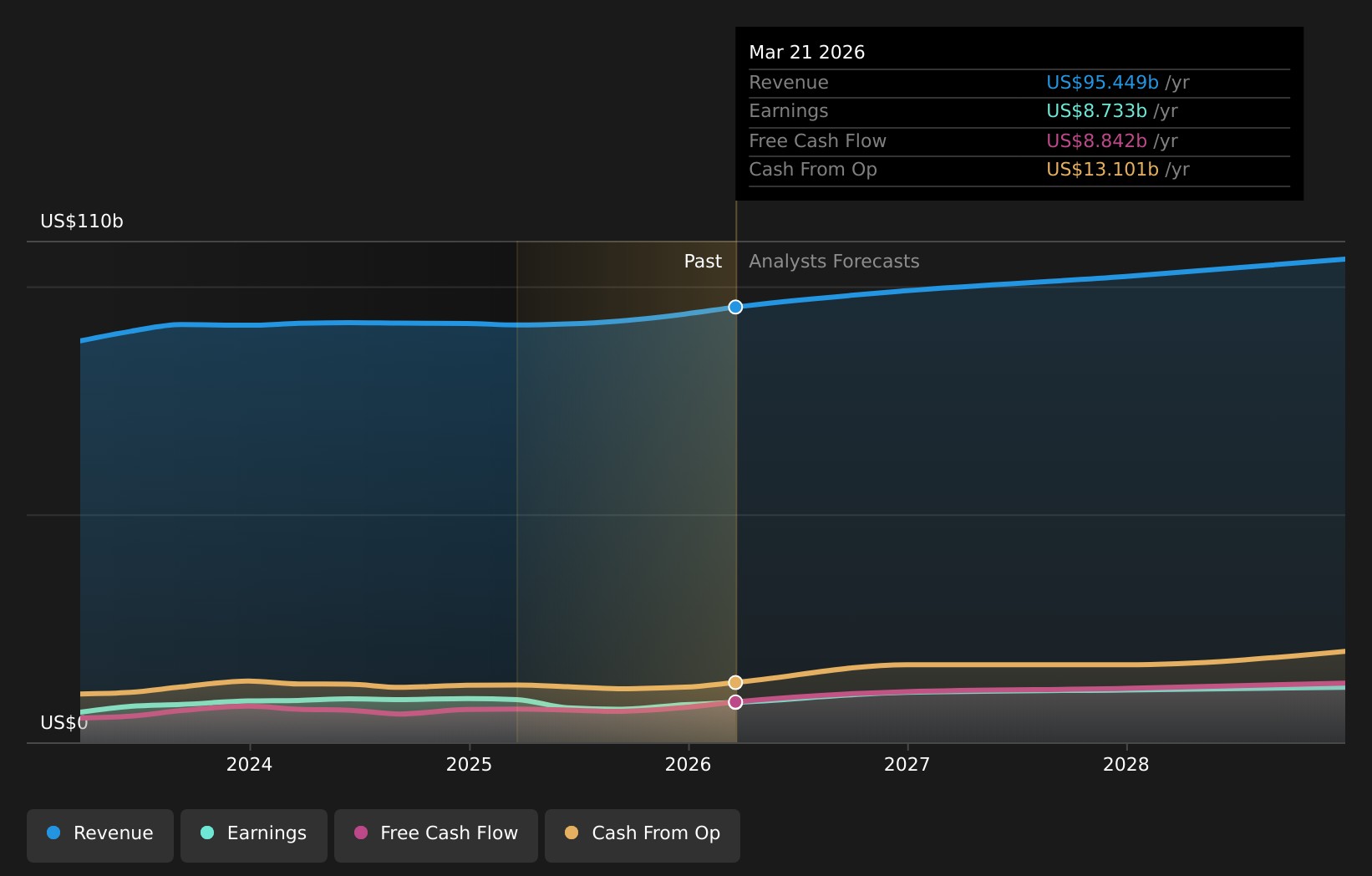
For shareholders, Future Harvest represents a strategic alignment of social impact and supply chain risk management — rather than treating ESG as a standalone reporting exercise. As of May 29, 2026, PepsiCo’s stock traded at US$146.29, approximately 14% below the US$171.05 analyst target price. However, short-term sentiment faced headwinds: the stock declined 5.8% over the prior 30 days. Investors are advised to monitor program-specific disclosures, including participation rates, on-farm outcomes (e.g., yield improvements or sustainable practice adoption), and any explicit references to sourcing stability in Europe within PepsiCo’s quarterly reports or sustainability updates.

Broader Industry Context and Practitioner Relevance

This initiative follows similar agricultural capacity-building efforts by food multinationals. Nestlé’s Nestlé Cocoa Plan trained over 300,000 farmers globally between 2009–2023; Unilever’s Sustainable Agriculture Code covers 100% of its direct agricultural suppliers as of 2024. For supply chain professionals, Future Harvest signals growing corporate investment in upstream resilience — particularly where climate volatility, labor shortages, and regulatory shifts (e.g., the EU’s EU Soil Strategy) compound procurement uncertainty. Capital allocation for such programs remains a watchpoint: PepsiCo reported total debt of $83.2 billion as of its most recent fiscal year-end (2025), prompting investors to assess whether Future Harvest requires material incremental funding or leverages existing ESG infrastructure.

Source: simplywall.st

Compiled from international media by the SCI.AI editorial team.

Ask SCI.AI Finished reading? Continue with SCI.AI. Explore the related policy, route, company and historical context. Continue asking
DHL, Vinted expand German circular fashion logistics
ESG & Regulation

DHL, Vinted expand German circular fashion logistics

DHL and Vinted are expanding their partnership in Germany to support the booming second-hand fashion market. The global second-hand market is valued at US$210-220bn, growing 3x faster than firsthand sales. DHL plans to grow its locker network from 18,500 to more than 30,000 locations by 2030, with 67% of German online shoppers already selling items via marketplaces. The partnership combines Vinted's 17 million UK users with DHL's 41,000 parcel points to make circular fashion logistics more accessible.

BlueGrace acquires Idaho 3PL Truk TMS to expand Pacific Northwest LTL
AI & Automation

BlueGrace acquires Idaho 3PL Truk TMS to expand Pacific Northwest LTL

BlueGrace Logistics has acquired Idaho-based third-party logistics provider Truk TMS to strengthen its presence in the Pacific Northwest. The deal brings Truk TMS—previously a BlueGrace partner—fully into the company’s ecosystem, granting its customers access to BlueGrace’s Managed Logistics platform and BlueShip technology. Financial terms remain undisclosed. BlueGrace, headquartered in Tampa, Florida, serves over 10,000 customers from nine offices across the U.S. and Mexico and operates a carrier network exceeding 250,000. As a Warburg Pincus portfolio company, BlueGrace previously acquired STB Freight Group and FreightCenter in 2025. Truk TMS CEO Mark Barnes emphasized continuity of service backed by expanded capabilities.

European Berries Lead with 90% Quality Trust, 87% Sustainability Rating
ESG & Regulation

European Berries Lead with 90% Quality Trust, 87% Sustainability Rating

A Berry Swing survey of 300+ consumers in Livigno found 90% associate European berries with quality and reliability, 87% rate them more sustainable than non-EU alternatives, and 88% deem them healthier. Global berry cultivation grew 117.5% between 2015–2024, reaching 282,000 hectares; production hit 2.15 million tonnes in 2024 and is forecast to reach 3.2 million tonnes by 2028. The EU-backed, three-year Berry Swing project promotes traceability, safety, and regenerative practices across Italian and German supply chains.

Welcome Back!

Login to your account below

Create New Account!

Fill the forms below to register

Retrieve your password

Please enter your username or email address to reset your password.

Scan to share via WeChat

Open WeChat and scan the QR code to share

QR Code

Add New Playlist