Southgate Global launched its full-service asset tracking solution on 25 May 2026, featuring two integrated platforms: Southgate Orbit for local warehouse/yard use and Southgate Atlas with coverage across 179 countries. The cloud-based Southgate Stratos platform delivers real-time tracking, geofence alerts, and optional telemetry—including temperature, shock, humidity, and tamper detection. Darren Hill, Business Development Manager, stated that 'every day, assets go missing, sit idle, or require unnecessary replacement'—a problem the system mitigates through end-to-end visibility and technician-supported deployment. Southgate serves clients across the UK, Europe, and North America, leveraging over 50 years of logistics engineering expertise.
According to newsbywire.com, Southgate Global launched a full-service asset tracking solution on 25 May 2026 designed to reduce operational costs in warehouses and across global supply chains. The system integrates hardware with the cloud-based Southgate Stratos platform to deliver real-time visibility, automated alerts, and data-driven decision support.
Two-Tiered Tracking Architecture
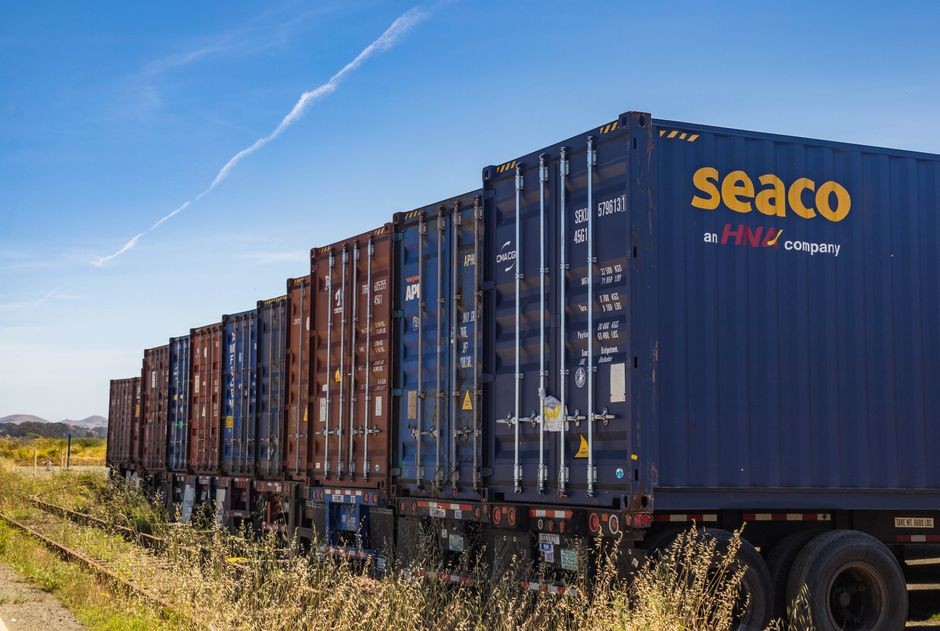
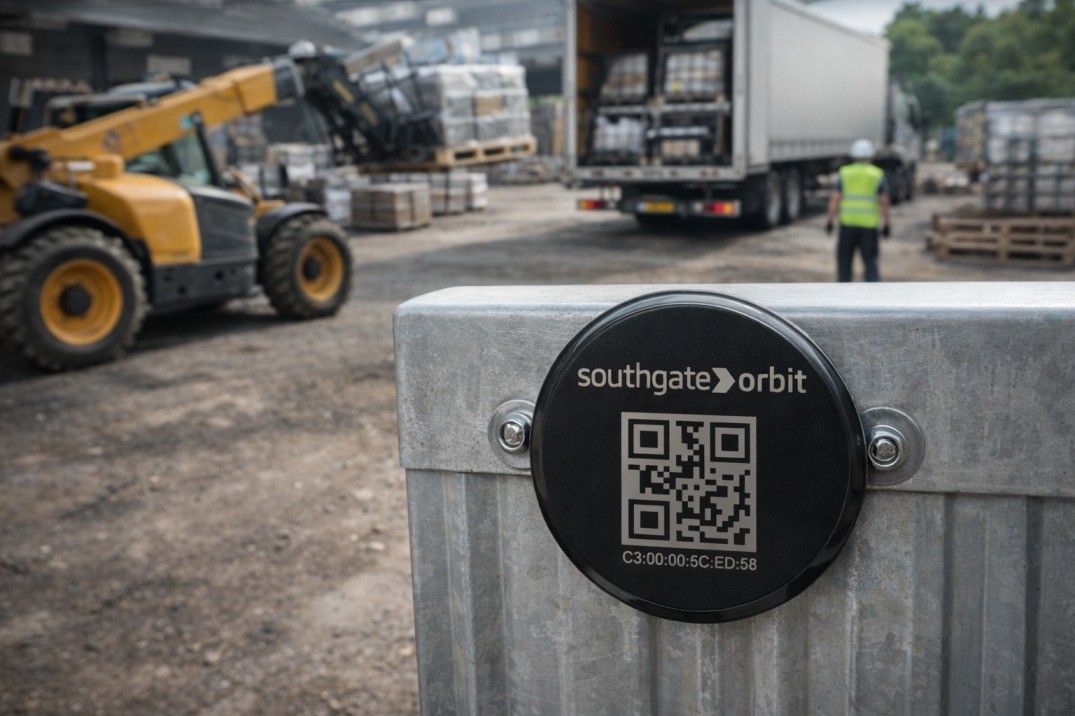
The solution comprises two distinct offerings: Southgate Orbit, optimized for local environments such as warehouses, yards, and depots using high-accuracy Bluetooth tracking; and Southgate Atlas, engineered for cross-border and multi-site operations with indoor/outdoor coverage across 179 countries. Atlas supports telemetry options including temperature, shock, humidity, and tamper detection — features critical for pharmaceutical and perishable goods logistics.
Operational Impact and Cost Savings
Southgate states that daily asset loss, idle time, and unnecessary replacements stem from poor visibility — problems its system directly addresses. According to the report, customers gain instant location awareness across sites, fleets, and supply chain nodes, enabling faster response to bottlenecks and reducing replacement expenditures. Darren Hill, Business Development Manager at Southgate, emphasized that “every day, assets go missing, sit idle, or require unnecessary replacement due to a lack of visibility.” He added:
“Our team can support with a complete end-to-end service, scoping out your bespoke needs and building the right solution. Our expert technicians can install and configure Asset Tracking solutions, and provide ongoing reporting and insights, helping you increase uptime and reduce costs.” — Darren Hill, Business Development Manager, Southgate Global
Industry Context and Market Relevance
Southgate Global serves retail, 3PL, e-commerce, post & parcel, and manufacturing clients across the UK, Europe, North America and beyond. With over 50 years of experience in global sourcing, engineering, and product design, the company supplies packing equipment, consumables, technical services, and custom logistics solutions. Its launch aligns with broader industry trends: Gartner reported in 2025 that 68% of top-tier logistics providers have deployed real-time asset tracking to mitigate rising labor and replacement costs. Meanwhile, McKinsey’s 2026 Supply Chain Pulse survey found that companies using multi-layered tracking (e.g., Bluetooth + GPS + sensor telemetry) reduced average asset downtime by 41% and cut annual replacement spend by up to $210,000 per mid-sized distribution hub.
Practitioner Implications
For supply chain professionals, Southgate’s dual-platform model offers scalable implementation: Orbit enables rapid deployment for high-turnover, low-value assets like totes and roll cages, while Atlas supports compliance-critical flows requiring geofenced alerts and environmental monitoring. The system’s integration with existing WMS and TMS platforms — confirmed by Southgate’s technical documentation — reduces IT overhead. Crucially, the solution does not require customers to replace legacy fleet or container hardware; instead, it layers tracking via retrofit sensors and gateway infrastructure. This lowers upfront CAPEX and accelerates ROI — particularly relevant amid tightening capital budgets in European logistics firms, where 73% cited cost control as their top 2026 priority (Logistics UK Annual Benchmark Report, Q1 2026).
Source: newsbywire.com
Compiled from international media by the SCI.AI editorial team.