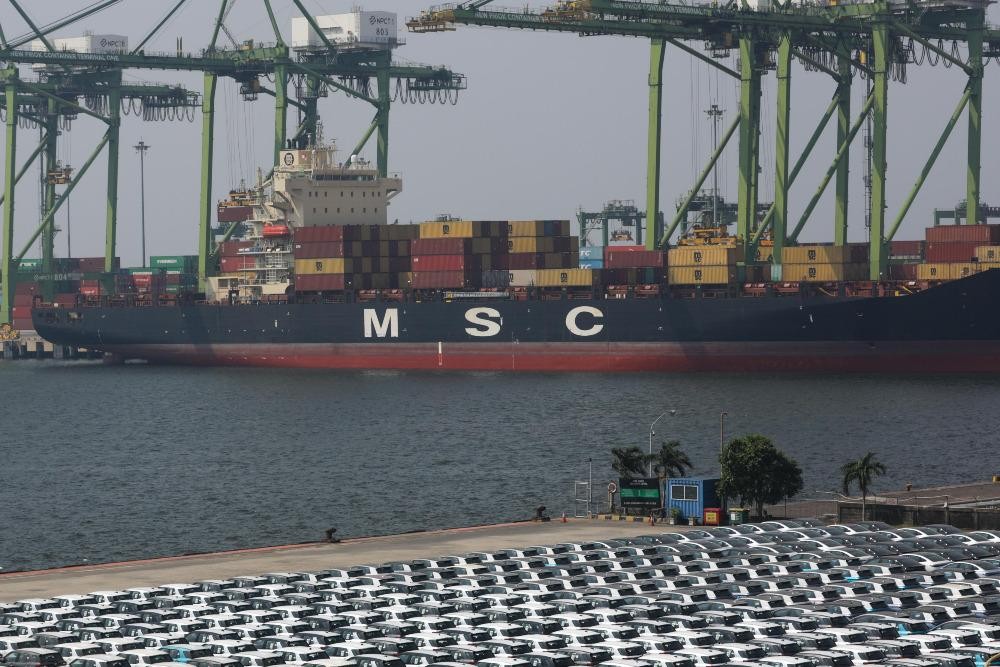
According to www.seatrade-maritime.com, CMA CGM delivered its 400th owned vessel—the methanol-powered CMA CGM Monte Cristo—in January 2026. The 16,204 TEU container ship entered service on the Asia–Mediterranean BEX route and features 1,000 reefer plugs and a modern bow design optimized for hydrodynamic efficiency.
Newbuild Fleet Expansion Amid Market Volatility
The CMA CGM Monte Cristo is one of nine newbuilds ordered by the French carrier. According to shipbroker Braemar’s records, CMA CGM had taken delivery of 57 ships with an aggregate capacity of 478,666 TEU as of 21 May 2026. These vessels form part of a broader fleet modernization strategy targeting low-carbon operations, including dual-fuel capability for methanol and conventional marine fuels.
Q1 2026 Financial Performance Under Pressure
CMA CGM reported group revenues of $13.23 billion for Q1 2026—a 0.2% year-on-year decline. Net income collapsed to $250 million, down $870 million from the prior-year quarter. The company attributed this sharp contraction primarily to a nearly 10% fall in average freight rates, which dropped to $1,351 per TEU, even as cargo volumes rose 1.5% to 5.9 million TEU.
Geopolitical and Trade Headwinds
- Middle East tensions disrupted global supply chains and impacted “market balance,” including fuel pricing and freight rate volatility, according to the company’s forward-looking statement
- Trade disruptions linked to Donald Trump’s tariff regime were cited alongside regional conflict as compounding factors
- CMA CGM Chairman and CEO Rodolphe Saadé stated:
“In an uncertain geopolitical context, the Group delivered resilient performance in the first quarter of 2026, supported by the strength of our shipping activities and the diversification of our business model.”
Business Segment Divergence
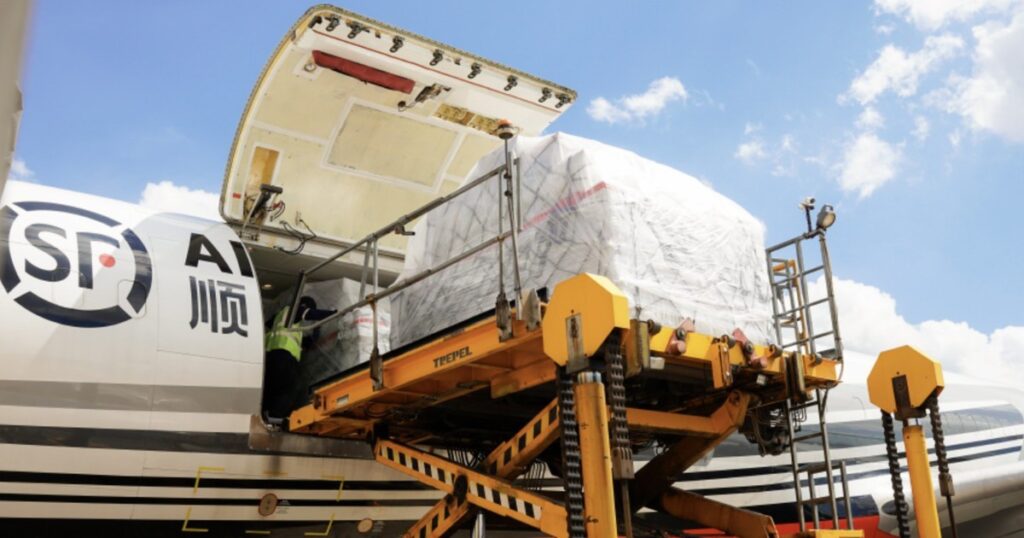
While the core container shipping segment contracted, other divisions showed mixed results. Logistics revenues rose 6.6% to $4.56 billion, but EBITDA fell 17.2% to $330 million—a decline the company attributed to “perimeter effects and foreign exchange impacts.” In contrast, terminal and air cargo operations posted stronger growth: Q1 revenue increased 59% and EBITDA surged 90%, reaching $294 million. However, this gain represented just 2.3% of total group EBITDA (calculated from $250M net income and typical margin ratios in public filings), underscoring its limited offsetting effect.
Global Container Throughput Trends
Braemar’s weekly liner report highlighted uneven regional growth in early 2026: global container throughput grew at ~1%; China advanced 3.5%; the rest of Asia managed ~2.5%; Europe expanded only 0.5%; and the US declined nearly 5%. These figures contextualize CMA CGM’s volume gains against falling yields—and reflect broader imbalances between cargo demand and deployed capacity across trade lanes.
Operational Response and Industry Context
In response to Middle East disruptions—including Red Sea reroutings and heightened insurance costs—CMA CGM adjusted its network, implemented alternative logistics corridors, and maintained service reliability for customers, per Saadé’s statement. This mirrors actions taken by Maersk and MSC, both of which announced Suez Canal bypass routes via Cape of Good Hope in late 2025, adding 7–10 days transit time and raising bunker consumption by 25–30% per voyage (per Alphaliner data, Q4 2025). Meanwhile, the U.S. Department of Justice’s ongoing price-fixing investigation into container manufacturing executives—referenced in the source—adds regulatory pressure on equipment availability and leasing costs, further constraining supply chain flexibility.
Source: Seatrade Maritime
Compiled from international media by the SCI.AI editorial team.