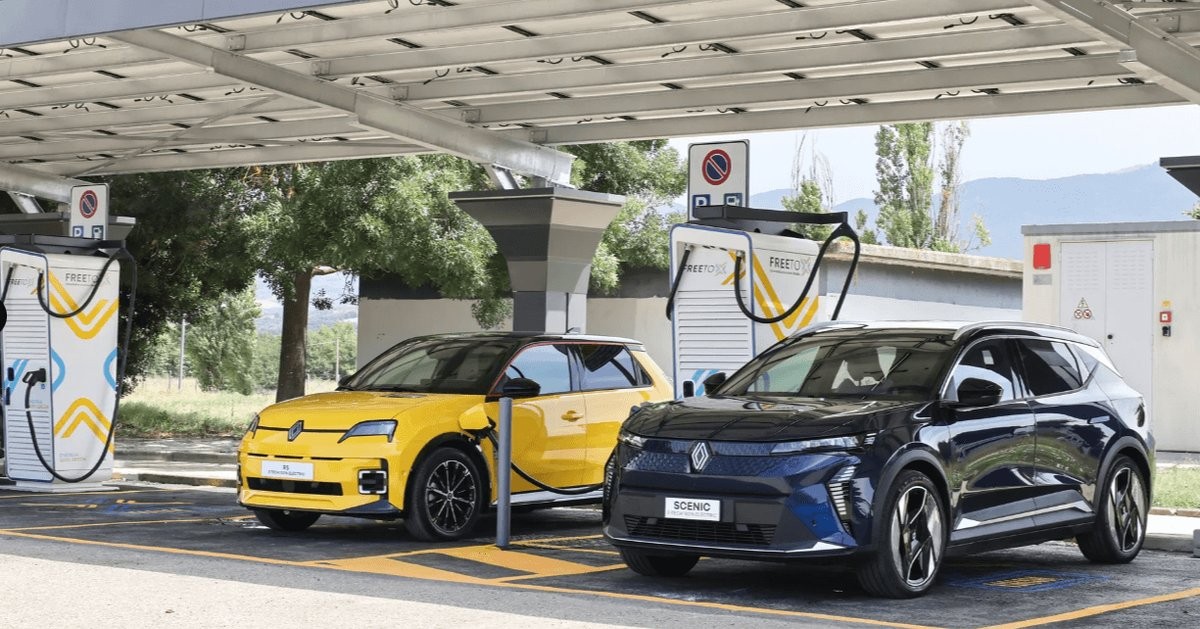
Renault Group mandates ESG criteria as equal to quality and cost in supplier selection, with binding 2030 targets: 30% cut in supplier CO₂ emissions for raw materials and components; 35% reduction in battery carbon footprint (2019–2030); >90% of procurement budgets allocated to high-ESG-score suppliers; on-site audits of high-risk Tier 1 and battery suppliers by 2030; and >30% circular economy materials per vehicle. Batteries alone contribute one-third of EV emissions, and materials account for 10–40% of total vehicle footprint depending on powertrain. Renault’s net zero goals are Europe by 2040 and global by 2050.
According to sustainabilitymag.com, Renault Group embeds environmental, social, and governance (ESG) criteria directly into supplier selection, collaboration, and vehicle design — with binding targets including a 30% reduction in supplier CO₂ emissions for raw materials and components by 2030 and a 35% cut in battery carbon footprint between 2019 and 2030.
ESG as a Non-Negotiable Procurement Criterion
Renault Group’s responsible purchasing policy treats ESG performance as equal in weight to traditional metrics like cost, quality, and delivery. As Anthony Plouvier, Chief Procurement Officer at Renault Group, states:
“Responsibility and sustainability criteria carry as much weight as performance and quality in our supplier choices. A low ESG score is now a deal breaker.”
The policy applies across all procurement stages — from tendering to long-term collaboration — and explicitly covers eco-design, circular economy integration, and battery supply chain oversight.
Quantified 2030 Ambitions
- More than 90% of procurement budgets allocated to suppliers with a high ESG score by 2030
- On-site audits of high-risk Tier 1 suppliers and battery supply sites completed by 2030
- 30% reduction in supplier CO₂ emissions linked to raw materials and components (baseline year not specified in source, but target is anchored to 2030)
- Over 30% circular economy materials used per vehicle project by 2030
Suppliers must disclose their carbon footprint using the Carbon Disclosure Project Supply Chain methodology and provide visibility on their climate trajectory — a requirement enforced starting in the tendering phase.
Battery Production: A Critical Decarbonisation Lever
Battery manufacturing accounts for one-third of an electric vehicle’s total carbon footprint, according to Renault Group. To address this, the company has set a binding target to reduce its battery carbon footprint by 35% between 2019 and 2030. This effort includes more sustainable sourcing of lithium, cobalt, and nickel, as well as co-development with battery partners on low-carbon production processes. Materials overall represent 10% to 40% of a vehicle’s carbon footprint, varying by powertrain — underscoring why early supplier engagement in design is critical.
Early Integration and Design Collaboration
Renault embeds suppliers earlier in vehicle development cycles to leverage their technical input on decarbonisation levers. As Plouvier explains:
“In practical terms, suppliers are involved earlier in product and project development phases, enabling them to propose solutions. Renault Group’s Procurement function works closely with design teams to identify the most effective levers available through suppliers to meet vehicle decarbonisation targets.”
This approach supports frugal use of rare materials, increased adoption of recycled and bio-based inputs, and design-for-dismantling strategies that anticipate end-of-life recycling.
Operational Alignment with Net Zero Goals
The procurement strategy is embedded within Renault Group’s broader futuREady strategic plan, which links operational performance directly to environmental outcomes. The company aims to achieve net zero carbon emissions in Europe by 2040 and worldwide by 2050. According to the report, raw material supplies and components accounted for an average of 17% of the carbon footprint of vehicles sold in 2024. This figure confirms the outsized influence of upstream supply chain decisions — making supplier engagement not optional, but central to Renault’s decarbonisation roadmap.
Source: sustainabilitymag.com
Compiled from international media by the SCI.AI editorial team.