

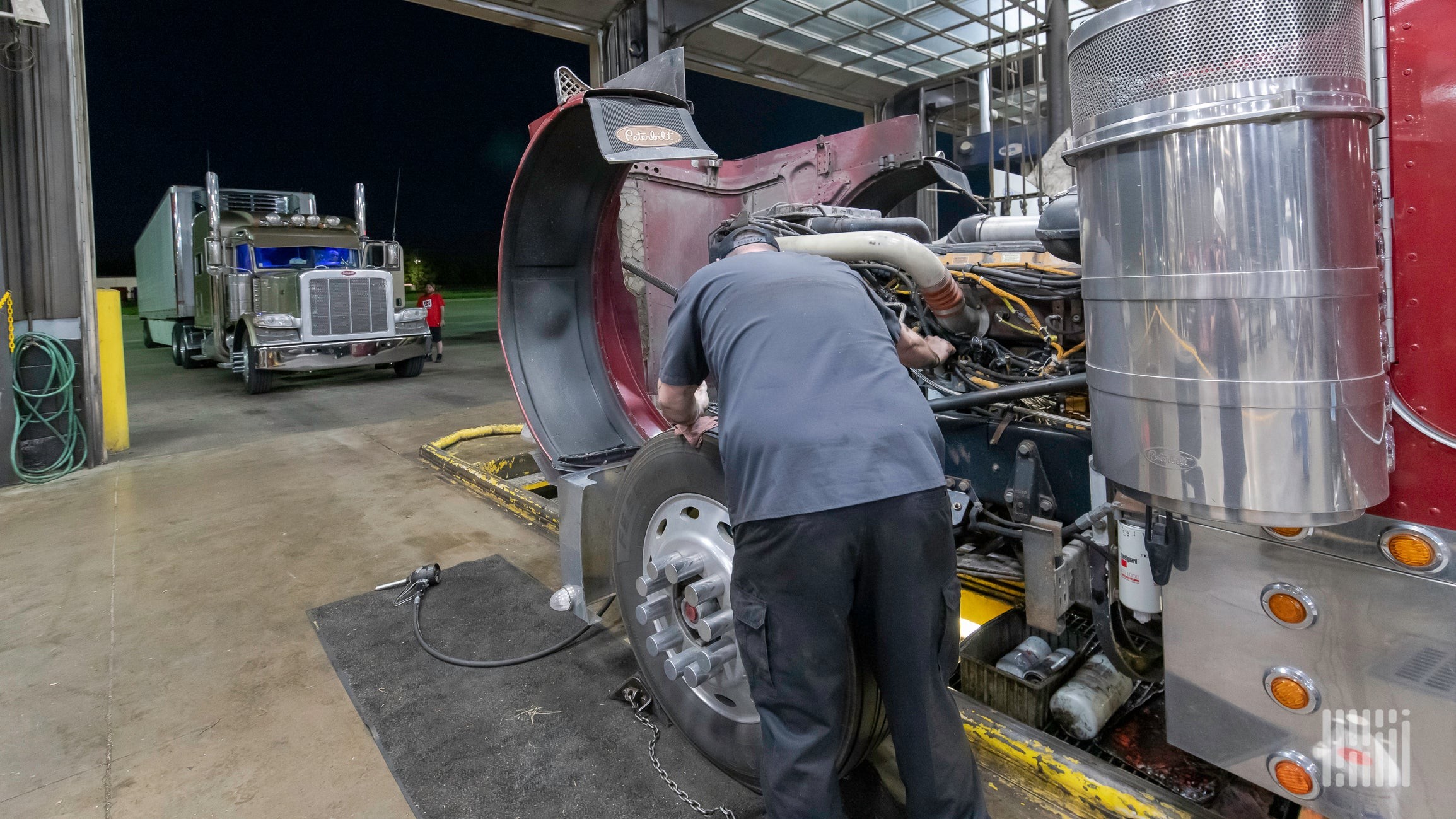
The Section 232 tariff on imported truck parts, enacted on November 1, 2025, has raised repair costs by 20% to 30% for critical components like injectors, turbochargers, and transmissions. According to FreightWaves, supply chain anxiety contributed to nearly 40% of unit cost growth in 2025–2026. Remanufactured parts, sourced domestically and rebuilt to OEM standards, now offer 30% to 70% savings while maintaining performance. The North American remanufacturing market held 45% of the global $74 billion 2026 market. Distributors are not required to break down tariff exposure on invoices, limiting transparency for buyers. These dynamics are reshaping procurement strategies for small carriers.
Section 232 Tariff Drives 20%–30% Price Hikes on Key Components
According to FreightWaves, the Section 232 tariff on imported medium and heavy-duty truck parts took effect on November 1, 2025, imposing a 25% duty on components from Class 3 through Class 8 vehicles, engines, transmissions, tires, and chassis parts. The impact is now visible on repair invoices, with key components such as injectors, turbochargers, EGR systems, DPF assemblies, and transmissions now 20% to 30% more expensive than they were two years ago. This increase is based on data from the Decisiv/TMC Parts and Labor Service Benchmark Report cited by Decisiv CEO Tim Hardin.
Supply Chain Anxiety Adds 40% to Unit Cost Growth
The tariff is not the sole driver of rising costs. The Richmond Fed’s CFO Survey attributes nearly 40% of total unit cost growth in 2025 and 2026 to tariffs and tariff-related uncertainty. Decisiv CEO Tim Hardin explained at the TMC annual meeting in Nashville that pricing adjustments often occur preemptively:
“Typically what I’ve seen is it gets priced into the supply chain regardless of whether there’s a physical impact or not.”
Distributors and manufacturers are raising prices in anticipation of disruptions, even before shortages occur.
Steel and Aluminum Duties Further Inflate Prices
Section 232 duties on imported steel and aluminum now stand at 50%. These elevated input costs flow through the manufacturing chain, affecting brake components, chassis parts, frames, and structural hardware. Even parts not directly subject to the 25% truck part tariff see price increases due to broader cost inflation in the supply chain.
Remanufactured Parts Offer 30%–70% Savings
Remanufactured components are gaining traction as a cost-effective alternative. These parts are rebuilt from domestically sourced cores in the U.S., avoiding Section 232 exposure entirely. According to the American Trucking Associations’ total cost of ownership analysis, remanufactured heavy-duty components—such as engines, transmissions, axles, brake systems, turbochargers, injectors, and DPF assemblies—typically cost 30% to 70% less than new parts while meeting OEM performance standards. The North American remanufacturing market accounted for approximately 45% of the global $74 billion market in 2026, per Persistence Market Research.
Legitimate Remanufacturing Requires Defined Process
A remanufactured part is not a used part or a shop rebuild. It undergoes complete disassembly, cleaning, inspection, replacement of all wear items, reassembly to OEM tolerances, and testing to OEM performance standards. The finished product includes a warranty—often equivalent to or better than new parts. Decisiv’s Service Relationship Management platform, which analyzes over seven million assets and 300,000 monthly service events, shows that powertrain repairs are the top service category across all truck age brackets, and brakes rank in the top four. These categories have the most mature and deepest remanufactured supply chains.
Invoice Transparency Remains Limited
Distributors are not required to disclose tariff exposure on invoices. A part made entirely from U.S.-origin materials carries no direct Section 232 exposure. A part assembled in the U.S. from USMCA-compliant Mexican or Canadian components is only taxed on non-U.S. content. Fully imported parts outside USMCA coverage face the full 25% tariff. The Federal Register and CBP entry-filing guidance define these classifications, but most invoices consolidate all costs into a single price, obscuring the underlying cost drivers.
Source: FreightWaves
Compiled from international media by the SCI.AI editorial team.


