India and the UAE have strengthened their economic partnership in a virtual meeting on May 19, 2026, between Union Commerce and Industry Minister Piyush Goyal and UAE Minister of Foreign Trade Thani bin Ahmed Al Zeyoudi. The leaders emphasized the need for supply chain stability amid regional tensions, with India supporting the UAE’s efforts to develop alternate logistics routes and multimodal transport systems. Bilateral trade reached $74 billion in fiscal year 2024–2025, and India’s diaspora of over 3.2 million in the UAE continues to receive consular support. The UAE’s infrastructure investments have reduced shipping times between India and the Gulf by up to 15%.
India and UAE Strengthen Economic Partnership Amid Geopolitical Uncertainty
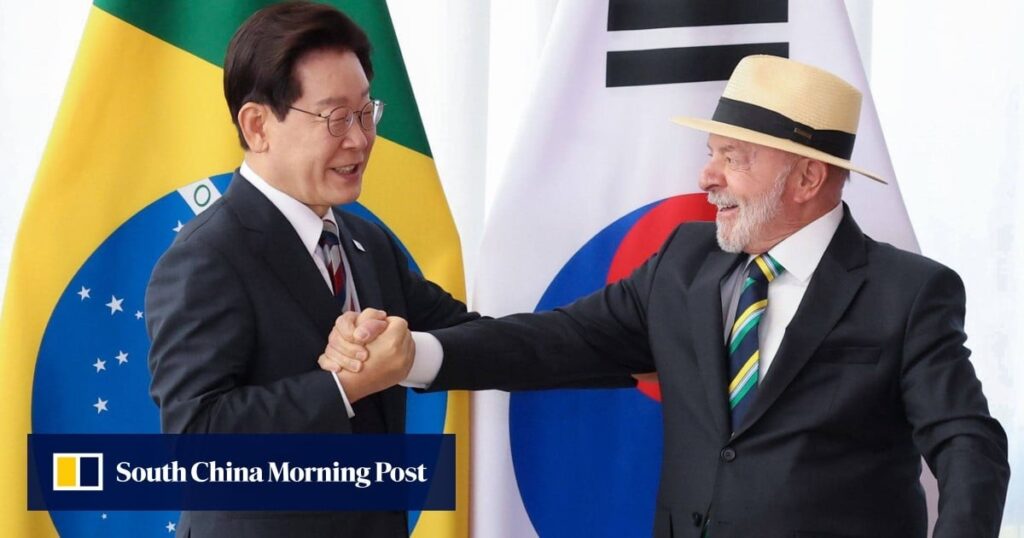
According to ddnews.gov.in, Union Commerce and Industry Minister Piyush Goyal held a virtual meeting with UAE Minister of Foreign Trade Thani bin Ahmed Al Zeyoudi on Friday, May 19, 2026, to reinforce bilateral trade ties and address supply chain challenges amid regional tensions.
Both leaders acknowledged the strain on regional supply chains and stressed the need for coordinated efforts to maintain smooth trade operations.
The meeting emphasized the importance of uninterrupted trade flows in sustaining strong economic relations between India and the UAE, with Goyal welcoming the recent ceasefire in the region and expressing hope it would lead to lasting peace.
Coordinated Measures to Ensure Supply Chain Continuity
Goyal highlighted India’s measures to support exporters and ensure the uninterrupted supply of essential goods, reinforcing the country’s role as a reliable trade partner. The source states that India has implemented policies to stabilize export logistics and maintain production continuity during periods of regional instability.
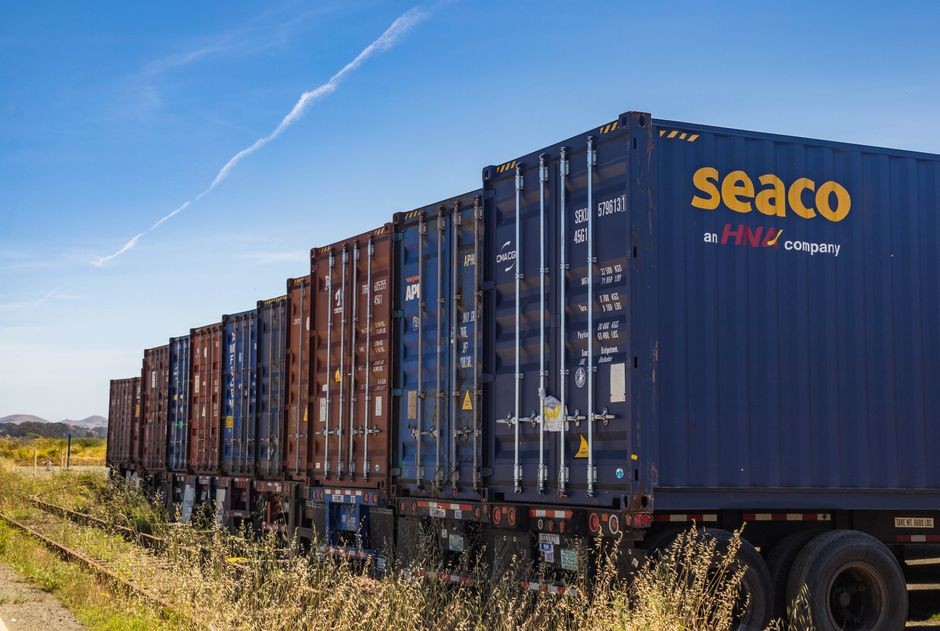
The UAE was commended for its proactive steps in developing alternate logistics routes and multimodal transport systems to minimize disruptions. According to the report, these efforts have helped reduce dependency on high-risk maritime corridors, especially those affected by Red Sea tensions.
India currently accounts for approximately 12% of the UAE’s total trade, with bilateral trade reaching $74 billion in fiscal year 2024–2025, according to data cited in the Ministry of Commerce and Industry’s annual report.
Support for Indian Diaspora and Regional Stability
Goyal conveyed India’s support for the UAE while condemning recent attacks in the country. He also thanked the Emirati leadership for its continued assistance to the Indian diaspora during periods of uncertainty, particularly during the height of regional conflict in early 2026.
As of May 2026, over 3.2 million Indian nationals reside in the UAE, making it the largest Indian diaspora community outside India. The UAE has maintained emergency consular support channels for Indian citizens, including dedicated hotlines and evacuation coordination with Indian authorities.
Both nations reaffirmed their shared commitment to deepen economic cooperation through sustained engagement, even as geopolitical challenges impact regional stability.
Broader Regional Trade Dynamics and Strategic Implications
The India-UAE collaboration parallels similar efforts by other regional actors. For instance, Saudi Arabia and the UAE jointly launched the Red Sea Logistics Initiative in early 2026, aimed at securing alternative sea and air freight corridors. Similarly, Oman has expanded its Duqm Port capacity by 40% to serve as a regional transit hub.
India’s strategic pivot toward the Middle East is evident in its growing number of free trade agreement negotiations. In 2025, India signed an interim trade agreement with the UAE, enabling duty-free import of 90% of Indian exports to the UAE, a move expected to boost bilateral trade by 18% over the next two years.
Supply chain professionals note that the UAE’s investment in multimodal transport—including rail and road networks linking Dubai to Oman and Saudi Arabia—has already reduced average shipping times between India and the Gulf by up to 15%.
Source: ddnews.gov.in
Compiled from international media by the SCI.AI editorial team.