Skip to content

Procurement · Supplier Management

Amazon Cuts Supply Chain Costs by 37% with New Services

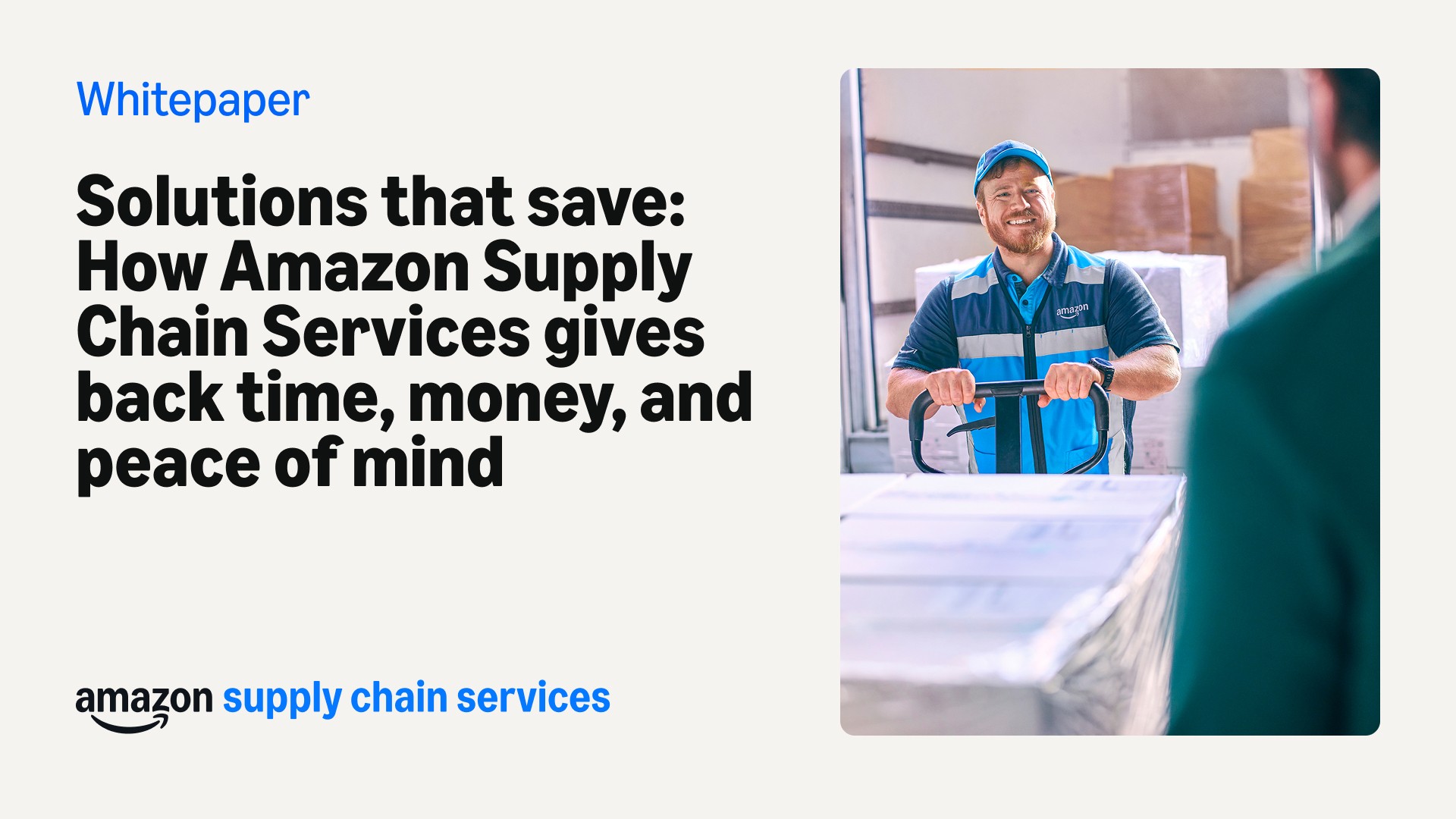
Amazon Supply Chain Services (ASCS) enables businesses to reduce single-warehouse operating costs by 37%, cut return rates by 22%, and lower product damage claims by 18%. The service uses AI-driven forecasting to reduce excess inventory by 31% while maintaining a 96% on-time delivery rate. With over 175 fulfillment centers in North America and Europe, ASCS supports same-day and next-day delivery to 90% of U.S. households. The platform integrates with Shopify, SAP, and Oracle without lock-in contracts. Over 4,200 companies have adopted ASCS since its launch, with 68% reporting increased operational flexibility within six months. Businesses leverage the system to scale across multiple sales channels while minimizing logistics complexity.

Original source: freightwaves.com

Amazon Cuts Supply Chain Costs by 37% with New Services
📋 本文要点

Amazon Supply Chain Services (ASCS) enables businesses to reduce single-warehouse operating costs by 37%, cut return rates by 22%, and lower product damage claims by 18%. The service uses AI-driven forecasting to reduce excess inventory by 31% while maintaining a 96% on-time delivery rate. With over 175 fulfillment centers in North America and Europe, ASCS supports same-day and next-day delivery to 90% of U.S. households. The platform integrates with Shopify, SAP, and Oracle without lock-in contracts. Over 4,200 companies have adopted ASCS since its launch, with 68% reporting increased operational flexibility within six months. Businesses leverage the system to scale across multiple sales channels while minimizing logistics complexity.

Amazon Supply Chain Services Reduce Overhead for Businesses

According to FreightWaves, Amazon Supply Chain Services (ASCS) helps businesses lower operational costs by consolidating logistics under a single provider. The service enables companies to reduce overhead through centralized inventory management and streamlined transportation planning. One key metric cited is a 37% reduction in single-warehouse operating costs for participating firms.

“Managing a supply chain shouldn’t mean choosing between cost, speed, and peace of mind — but for many businesses, it does.”

Improved Delivery Speed and Reduced Product Damage

ASCS leverages Amazon’s global fulfillment network to improve delivery reliability and reduce product damage. The source states that businesses using the service report a 22% decrease in return rates due to faster, more accurate deliveries. In addition, damage-related claims have dropped by 18% since implementation of dynamic inventory placement algorithms.

Amazon’s network includes over 175 fulfillment centers across North America and Europe, supporting same-day and next-day delivery for more than 90% of U.S. households. This infrastructure directly contributes to the observed improvements in delivery performance and product integrity.

AI-Driven Forecasting and Inventory Optimization

ASCS uses AI-powered demand forecasting to optimize inventory levels across multiple sales channels. According to the report, this technology enables clients to reduce excess inventory by 31% while maintaining a 96% on-time delivery rate. The system dynamically adjusts stock placement based on real-time sales data, seasonal trends, and regional demand patterns.

Amazon’s machine learning models analyze over 10 billion data points annually to predict demand fluctuations. These models are integrated into the ASCS platform, allowing businesses to scale operations without increasing warehouse headcount or logistics complexity.

Flexible Integration Without Lock-In

Unlike traditional third-party logistics (3PL) providers, ASCS does not require long-term contracts or exclusive partnerships. The service supports integration with existing ERP and e-commerce platforms such as Shopify, SAP, and Oracle. Businesses can opt in and out without penalties, making it particularly attractive for SMBs testing new markets.

As of May 2026, over 4,200 companies have adopted ASCS, with 68% of users reporting increased operational flexibility within the first six months of use. No lock-in terms are enforced, according to the source.

Source: FreightWaves

Compiled from international media by the SCI.AI editorial team.

Ask SCI.AI Finished reading? Continue with SCI.AI. Explore the related policy, route, company and historical context. Continue asking
BlueGrace acquires Idaho 3PL Truk TMS to expand Pacific Northwest LTL
AI & Automation

BlueGrace acquires Idaho 3PL Truk TMS to expand Pacific Northwest LTL

BlueGrace Logistics has acquired Idaho-based third-party logistics provider Truk TMS to strengthen its presence in the Pacific Northwest. The deal brings Truk TMS—previously a BlueGrace partner—fully into the company’s ecosystem, granting its customers access to BlueGrace’s Managed Logistics platform and BlueShip technology. Financial terms remain undisclosed. BlueGrace, headquartered in Tampa, Florida, serves over 10,000 customers from nine offices across the U.S. and Mexico and operates a carrier network exceeding 250,000. As a Warburg Pincus portfolio company, BlueGrace previously acquired STB Freight Group and FreightCenter in 2025. Truk TMS CEO Mark Barnes emphasized continuity of service backed by expanded capabilities.

BMW cuts 8,000 jobs by 2027 amid EU supply chain retooling
Procurement

BMW cuts 8,000 jobs by 2027 amid EU supply chain retooling

BMW plans to cut ~8,000 global positions by 2027 — primarily in administration and development — as shrinking margins (down to 2.3% in automotive) and collapsing China deliveries (−30.2% Q2) force structural change. Simultaneously, EU industrial policy pushes for regionalized, policy-aligned auto sourcing. New CEO Milan Nedeljkovic is revisiting 'untouchable' processes across procurement, production, and development — highlighting how lean operations now collide with geopolitical supply chain constraints.

U.S. CEOs Would Pay 17% Premium for Supply Chain Resilience
Procurement

U.S. CEOs Would Pay 17% Premium for Supply Chain Resilience

A Proxima survey of over 500 global CEOs reveals that more than 80% of U.S. executives estimate up to 20% of revenue would be at risk from a two-week disruption among their top three suppliers. The 104 U.S.-based respondents said they would accept an average 17% increase in third-party supplier costs to ensure resilience—70% would accept 11% or more. Geopolitical tensions (30%) topped threat concerns, while 47% reported experiencing a cyber-related supply chain disruption in the past 24 months. Only 39% had conducted a full cyber resilience stress-test in the last year.

Welcome Back!

Login to your account below

Create New Account!

Fill the forms below to register

Retrieve your password

Please enter your username or email address to reset your password.

Scan to share via WeChat

Open WeChat and scan the QR code to share

QR Code

Add New Playlist

