Skip to content

Japan & Korea Supply Chain

Japan-Korea Air Freight to Hit $28.82B by 2032 — www.fedex.com

Japan’s air freight market is projected to rise from USD 15.71 billion in 2024 to USD 28.82 billion by 2032, nearly doubling in value. This growth is fueled by semiconductor exports—where Japan holds ~30% of global semiconductor equipment—and booming cross-border e-commerce: Japan’s e-commerce market will grow 7.7% in 2025, while Korea’s e-commerce market exceeded USD 100 billion in 2024 and targets USD 160 billion by 2026. FedEx’s freight services, including International Priority Freight for shipments over 68 kg, provide time-definite delivery and temperature control for high-value cargo like memory chips and wagyu beef.

Original source: fedex.com

Japan-Korea Air Freight to Hit $28.82B by 2032 — www.fedex.com

According to www.fedex.com, Japan’s air freight market is projected to grow from USD 15.71 billion in 2024 to USD 28.82 billion by 2032, nearly doubling in value. This expansion is driven primarily by high-value, time-sensitive exports from Japan and South Korea—including semiconductors, automotive components, and premium fresh produce—alongside surging cross-border e-commerce demand.

E-commerce Accelerates Air Freight Demand

In Japan, the e-commerce market is forecast to grow by 7.7% in 2025, propelled by mobile penetration and international brand expansion. The country’s cross-border logistics market stood at USD 5.87 billion in 2025 and is expected to reach USD 7.47 billion by 2030. Korean e-commerce activity is even more pronounced: its market surpassed USD 100 billion in 2024 and is projected to hit USD 160 billion by 2026. This growth reflects strong global demand for Korean beauty (K-beauty) and fashion exports, requiring rapid, reliable international shipping solutions.

Semiconductors Anchor High-Value Air Cargo

Japan and South Korea jointly dominate critical segments of the global semiconductor supply chain. Japan holds approximately 30% of the global semiconductor equipment market, supplying advanced materials and fabrication tools. South Korea leads in memory chip production—including high-bandwidth memory chips shipped globally via air freight. Both countries rely on air transport for these bulky, high-value, and temperature- or shock-sensitive shipments. At FedEx, air freight is defined as shipments exceeding 68 kg, a threshold aligned with industrial cargo requirements.

FedEx Services Enable Time-Definite Global Delivery

FedEx supports this growth through specialized freight offerings including FedEx International Priority Freight and FedEx International Economy Freight. These services deliver end-to-end visibility, near-real-time tracking, temperature-controlled handling, and time-definite delivery windows—critical for perishables like premium wagyu beef and sensitive electronics. According to the report, these capabilities allow merchants to ship in bulk while meeting strict international delivery expectations. The source states that logistics providers are investing in supply chain digitization and launching new air cargo routes to accommodate rising volumes from online sellers in both markets.

Shared Drivers Across Divergent Markets

Despite differing economic structures—Japan’s mature export ecosystem versus Korea’s agile, innovation-driven trade model—both nations face identical macro drivers: global trade realignments, evolving tariff regimes, and active supply chain diversification across Asia. These dynamics reinforce air freight’s role as the backbone of high-value trade. The report notes that industries such as automotive exports and fresh produce rely on air freight’s speed and precision, especially where sea freight timelines would compromise product integrity or market responsiveness. As regional trade agreements like RCEP continue to shape customs facilitation and documentation standards, air freight providers must maintain compliance-ready infrastructure—a capability FedEx integrates into its digital shipping tools and customs clearance support.

Source: www.fedex.com

Compiled from international media by the SCI.AI editorial team.
Ask SCI.AI Finished reading? Continue with SCI.AI. Explore the related policy, route, company and historical context. Continue asking
South Korea, Brazil Ink Deal to Restart Mercosur FTA Talks
Japan & Korea Supply Chain

South Korea, Brazil Ink Deal to Restart Mercosur FTA Talks

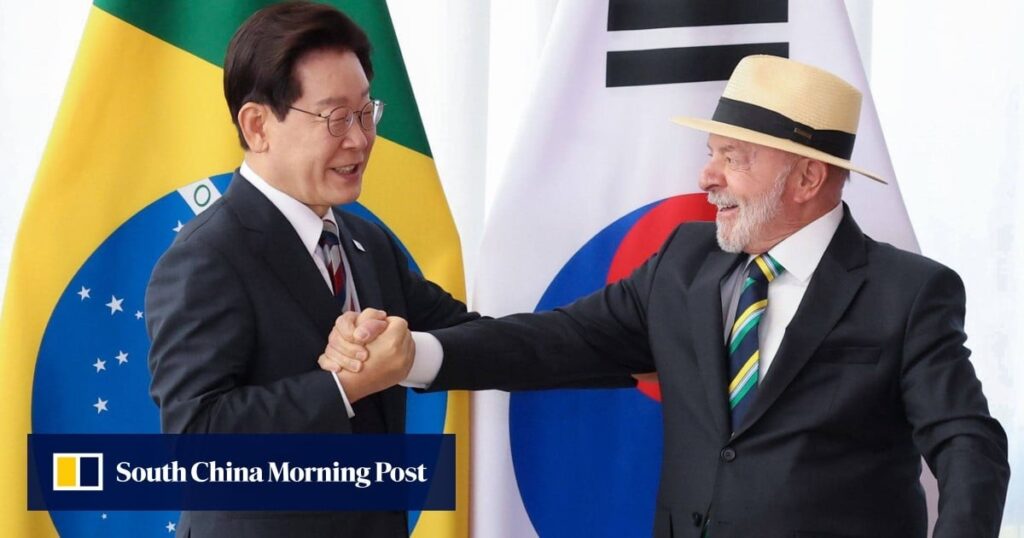
South Korean President Lee Jae Myung and Brazilian President Luiz Inacio Lula da Silva agreed on 29 July 2026 to restart free-trade negotiations with Mercosur — the South American bloc of Argentina, Brazil, Paraguay, Uruguay, and Bolivia. A joint working group will prepare a formal declaration for the Mercosur summit in December 2026. Talks, launched in 2018, stalled in late 2021 amid manufacturing-sector concerns. Analysts say Seoul must back diplomacy with real investment and technology transfer. Mercosur’s $3.5 trillion GDP and 270 million consumers make it a high-stakes opportunity for Korean exporters and supply chain planners.

Nissan to export US-built Murano to Japan in early 2027
Japan & Korea Supply Chain

Nissan to export US-built Murano to Japan in early 2027

Nissan will begin exporting the U.S.-built Murano SUV from its Smyrna, Tennessee plant to Japan in early 2027 — enabled by a September 2025 U.S.-Japan trade agreement that lowered U.S. tariffs on Japanese vehicles from 25% to 15% and allowed U.S. safety certification to satisfy Japanese regulatory requirements. The move follows similar announcements by Toyota and Honda to export U.S.-assembled models to Japan. Nissan sold 42,747 Muranos in the U.S. in 2025 (+121% YoY), while U.S. imports from Japan fell 17.4% to 113,094 units.

Japan pulls rare earths from Pacific seabed; yttrium at 1,000 ppm
Japan & Korea Supply Chain

Japan pulls rare earths from Pacific seabed; yttrium at 1,000 ppm

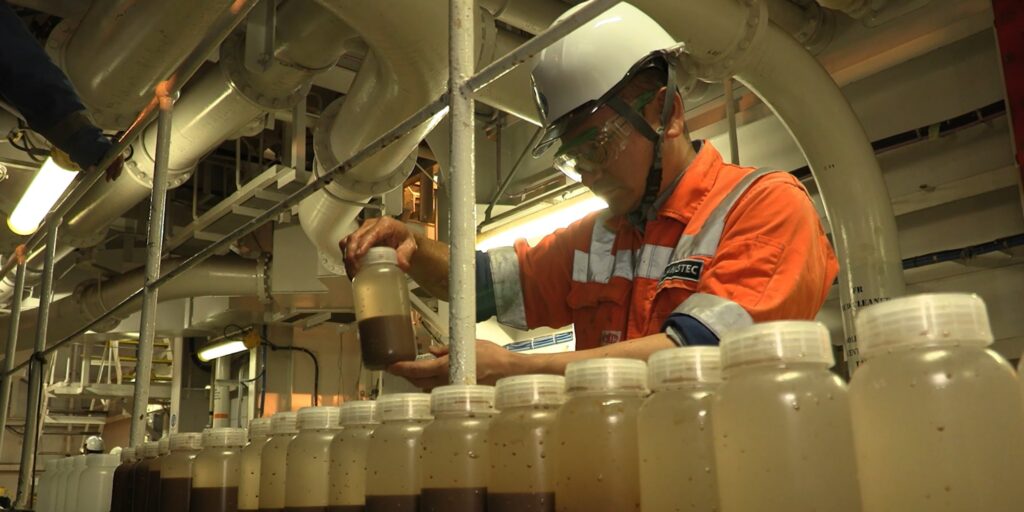
Japan has extracted yttrium (at 1,000 ppm) and dysprosium from deep-sea mud near Minamitorishima Island in the Pacific Ocean. The seabed deposit lies 2,000 meters below the surface and forms part of Japan’s strategy to cut reliance on China, which supplies over 90% of global refined rare earths. Despite promising assays, commercialization remains distant due to high extraction costs, with no large-scale pilot expected before the late 2030s. Japan has committed ¥15 billion to seabed R&D and is pursuing alternatives including domestic smelting (Shin-Etsu, 2027), recycling (Toyota Tsusho), and international partnerships (France, Greenland). Rare-earth costs for Japanese firms rose over 20% in early 2026.

Welcome Back!

Login to your account below

Create New Account!

Fill the forms below to register

Retrieve your password

Please enter your username or email address to reset your password.

Scan to share via WeChat

Open WeChat and scan the QR code to share

QR Code

Add New Playlist