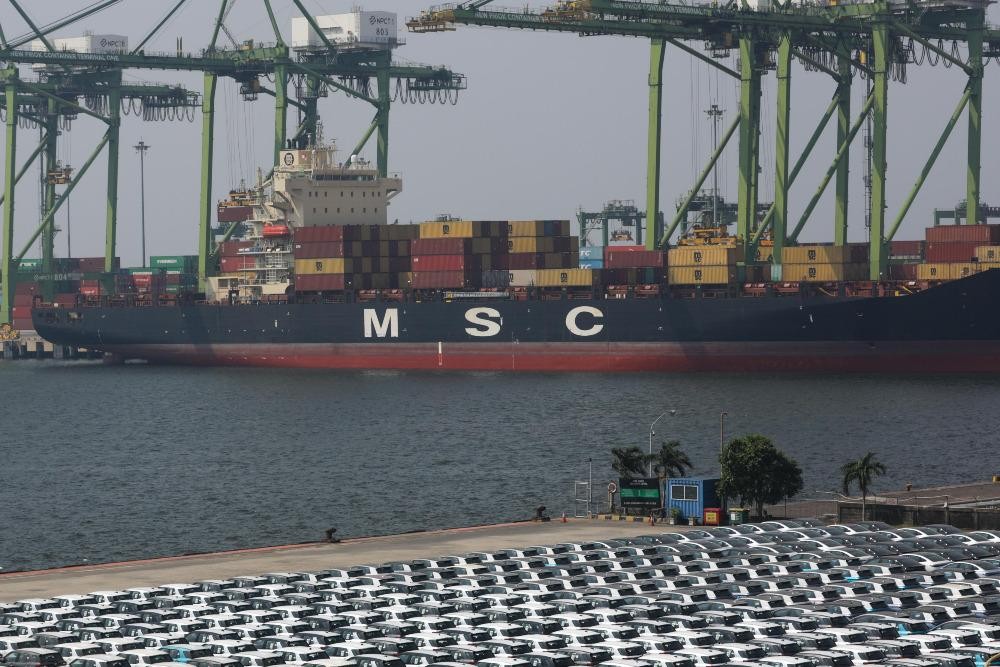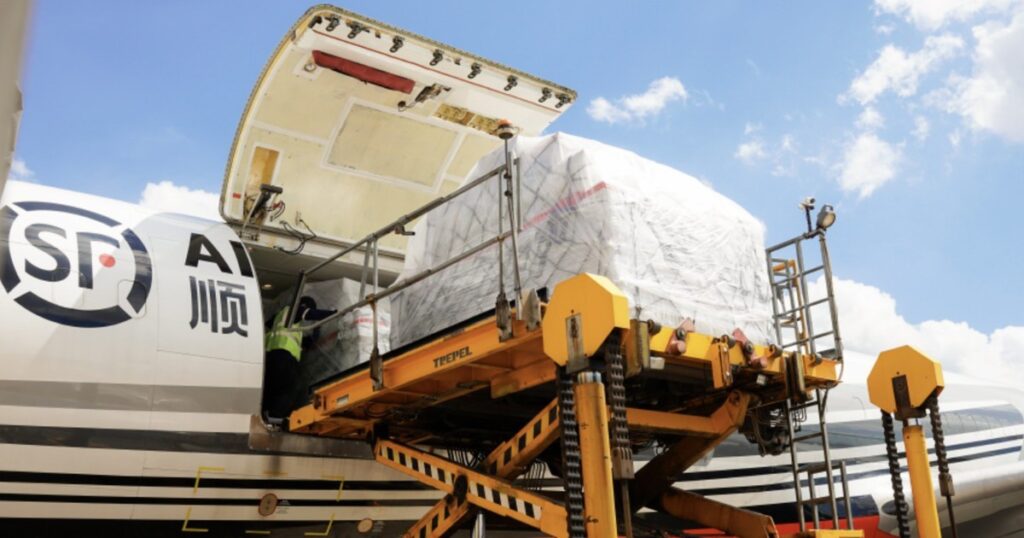
According to www.dpworld.com, Southeast Asia has evolved into a self-contained engine of trade, consumption, and production — and its supply chain operating model is undergoing fundamental transformation driven by three converging forces: end-to-end integration, automation and digital resilience, and the rapid evolution of e-commerce and bonded fulfillment.
The End-to-End Integration Imperative
Traditional linear, efficiency-optimized supply chains — built around a single manufacturing base — are straining under ‘China+1’ strategies that distribute production across Vietnam, Thailand, Indonesia, and Malaysia. At the same time, intra-regional ASEAN trade is accelerating alongside rising consumer demand. This structural shift creates limited visibility, fragmented accountability, and inflexibility amid volatile demand. Customers are responding by consolidating vendors and seeking a single accountable partner across the supply chain.
The Asia-Pacific contract logistics market is forecast to reach $216.6 billion by 2031, growing at a compound annual growth rate of 8.9%, according to the report. DP World has expanded beyond ports into contract logistics, freight forwarding, and inland transport to orchestrate the full flow of goods — not just individual nodes. As stated in the source:
“A warehouse without transport integration is simply storage. A port without inland connectivity becomes a bottleneck. Efficiency and resilience come from connecting these elements under one model.” — Mike Arnold, Vice President, Contract Logistics – Southeast Asia, DP World
Automation, AI and Digital Resilience
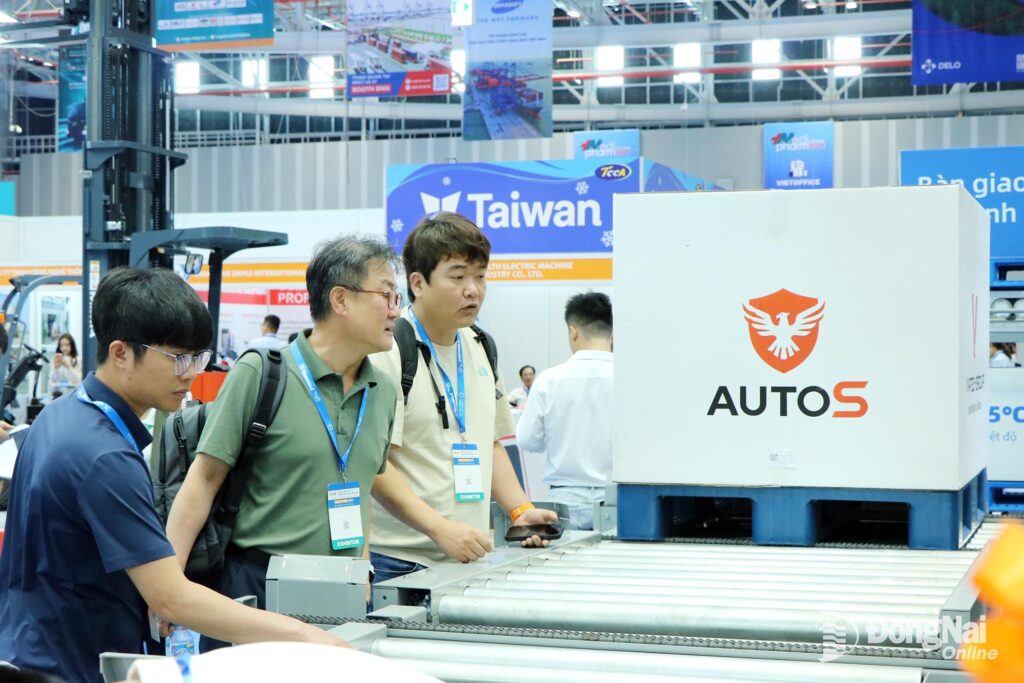
Automation and AI are critical — but only when applied with clear operational purpose. In Southeast Asia, poorly deployed automation can reduce flexibility and increase costs. The key is targeted deployment aligned to specific needs: peak handling, accuracy, and space optimisation. DP World has implemented more than 150 automation and robotics projects globally, co-designed with customers. In Southeast Asia, these address persistent pressures including labour availability, wage inflation, volatile e-commerce demand, and rising SLA expectations.
Digital twins enable simulation of demand scenarios, warehouse layout redesign, and flow optimisation before physical changes — reducing deployment risk and accelerating decisions. For one global FMCG leader across APAC, DP World is partnering to implement a hub-and-spoke model: centralising fast-moving automation at the primary facility while distributing cargo to smaller regional distribution centres and cross-dock sites.
E-Commerce, Omni-Channel and Bonded Fulfillment
E-commerce fulfillment is becoming structurally more complex — requiring faster delivery windows, cross-border flows, reverse logistics, and handling of bulky goods. Customers increasingly require inventory postponement in bonded zones, rapid switching between B2B, B2C, and marketplace models, and scalable returns infrastructure. DP World is investing in bonded warehousing, multi-user fulfilment centres, and integrated customs solutions — especially around Singapore and key Philippine gateways. Its asset-backed model enables port-adjacent and inland bonded logistics, reducing dwell time and improving cash flow for customers trading across ASEAN markets.
This capability is essential for consumer brands shifting to hybrid direct-to-consumer and marketplace models, cross-border sellers expanding into Indonesia, the Philippines, Vietnam, and Thailand, or businesses managing duty exposure.
Source: www.dpworld.com
Compiled from international media by the SCI.AI editorial team.