According to www.ghostresearch.com, the Southeast Asia Supply Chains 2026 Insights & Strategies report examines how geopolitical forces—including US–China tensions and regional trade realignment—are driving structural changes in ASEAN supply chains by 2026. The 57-page analysis draws on 18 credible sources and includes 5 data analysis tables and 1 proprietary AI visual.
Core Focus and Audience
The report’s purpose is to examine geopolitical impacts, risk assessments, and resilience strategies for Southeast Asian supply chains. Its intended audience includes business leaders, investors, policy makers, and supply chain managers. Researcher Dr. Supreena Narayanan—credited with 20+ years of experience across information technology and communication services—authored the report, which was published on 2026-01-02 by Ghost Research, described as the world’s first AI Native Market Research Agency.
Geographic and Sectoral Scope
The analysis covers Southeast Asia—with special emphasis on Vietnam, Thailand, Indonesia, Malaysia, Singapore, and the Philippines. Key industries highlighted include electronics, semiconductors, automotive, agribusiness, and energy sectors. According to the report, ASEAN is becoming a pivotal hub in global supply chains due to geopolitical shifts, with increasing transport and logistics improvements identified as crucial for trade facilitation.
Risk and Resilience Frameworks
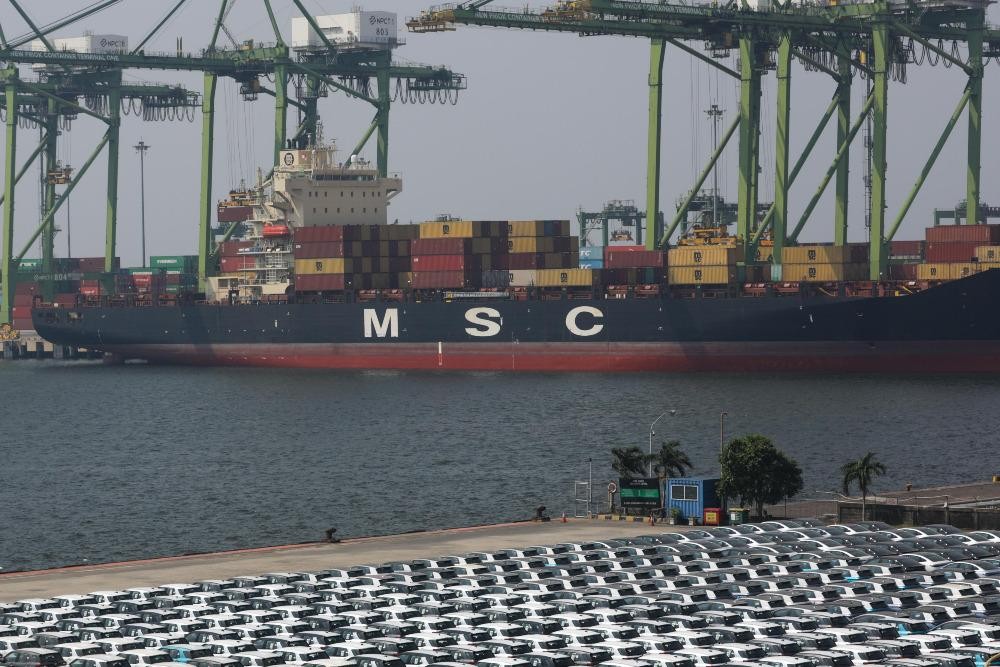
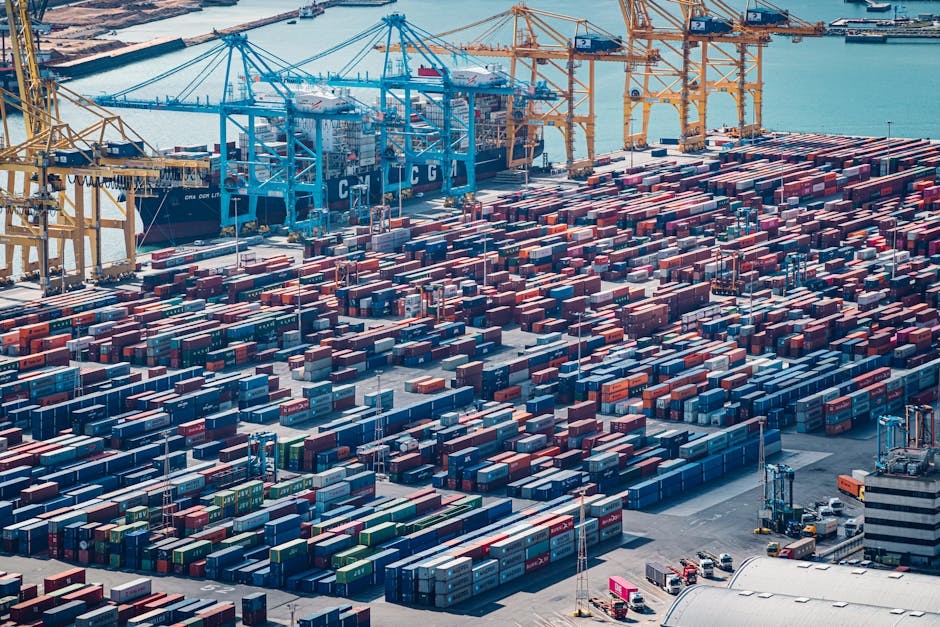
The source states that the report evaluates modern risk assessment models and digital risk tools, and underscores the need for robust risk management frameworks. It identifies critical supply chain vulnerabilities across key industries—including port capacity constraints and maritime security threats—and addresses tariff risks arising from trade policy fragmentation in ASEAN. The report also explores the influence of Gulf sovereign funds on investment flows and highlights the transition toward “China+X” dual manufacturing footprints.
Sustainability and Technology Integration
According to the report, sustainability is embedded across multiple focus areas: ESG integration, renewable energy transitions, and investment in sustainable supply chain assets and infrastructure are explicitly emphasized. Technological advancement features prominently, with adoption of AI and IoT cited as enablers of resilience. The report also references federated learning as a specific technical approach supporting secure, decentralized data collaboration across supply chain nodes.
Practical Implications for Supply Chain Professionals
For global supply chain professionals, the report signals an operational shift from cost efficiency to strategic redundancy—requiring near-term actions such as diversifying supplier bases across ASEAN economies, stress-testing logistics networks against port chokepoints, and integrating ESG criteria into vendor scorecards. With ASEAN–China FTA 3.0 under evolution and regulatory clarity varying significantly across member states, practitioners must prioritize country-level risk profiling before committing capital. The report’s inclusion of comparative profiles for key ASEAN economies supports this granular decision-making. As Gulf sovereign funds increase participation in regional infrastructure projects, supply chain leaders should monitor co-investment opportunities in port modernization and green energy logistics hubs—especially in Vietnam and Indonesia, where manufacturing relocation trends are most pronounced.
Source: www.ghostresearch.com
Compiled from international media by the SCI.AI editorial team.