Skip to content

Latin America Supply Chain

DHL Acquires 3 Vital Group Firms in South Africa

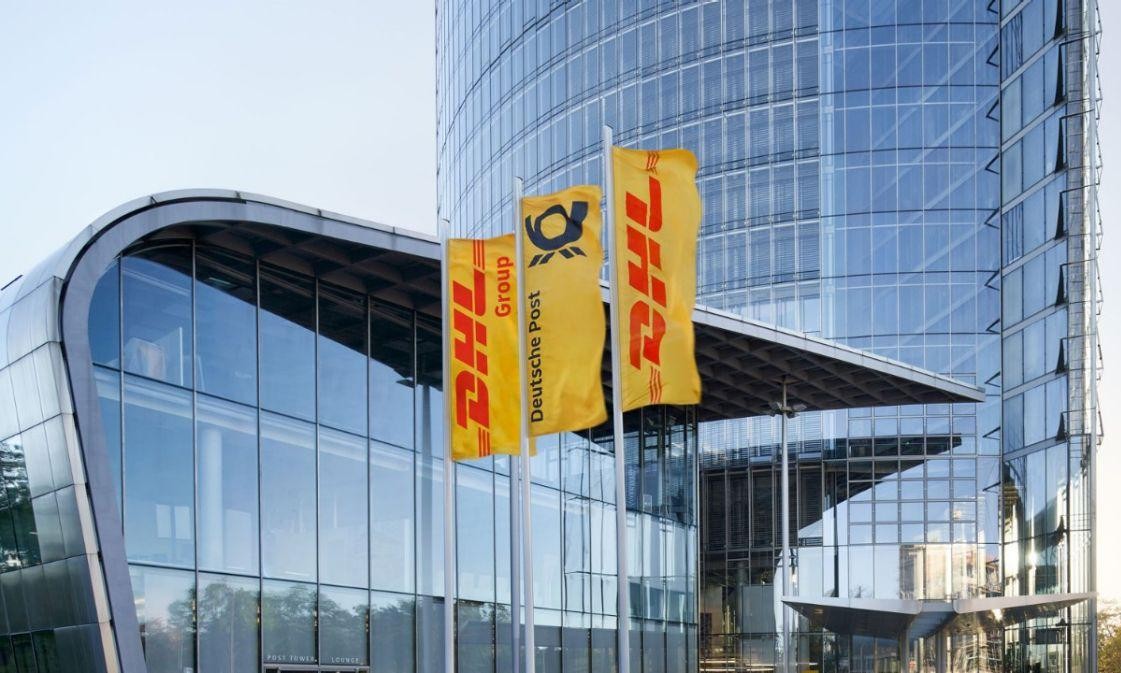
DHL Supply Chain has acquired three Vital Group firms—Vital Distribution Solutions, Staffing Logistics, and Vital Fleet—in South Africa, following unconditional approval from the country’s Competition Tribunal. The move adds scale in distribution, fleet management, and workforce solutions, enhancing route density and local agility. It supports DHL’s €300 million, five-year Sub-Saharan Africa investment plan announced in 2025 and advances its transport decarbonisation goals through improved vehicle utilisation and reduced empty running. According to the report, the integrated network better serves South Africa’s fragmented retail channels—from formal retail to township outlets.

Original source: logupdateafrica.com

DHL Acquires 3 Vital Group Firms in South Africa
📋 本文要点

DHL Supply Chain has acquired three Vital Group firms—Vital Distribution Solutions, Staffing Logistics, and Vital Fleet—in South Africa, following unconditional approval from the country’s Competition Tribunal. The move adds scale in distribution, fleet management, and workforce solutions, enhancing route density and local agility. It supports DHL’s €300 million, five-year Sub-Saharan Africa investment plan announced in 2025 and advances its transport decarbonisation goals through improved vehicle utilisation and reduced empty running. According to the report, the integrated network better serves South Africa’s fragmented retail channels—from formal retail to township outlets.

According to www.logupdateafrica.com, DHL Supply Chain has received unconditional approval from South Africa’s Competition Tribunal to acquire three Vital Group companies: Vital Distribution Solutions (Pty) Ltd, Staffing Logistics (Pty) Ltd, and Vital Fleet (Pty) Ltd. The deal expands DHL’s transport-led logistics capabilities in South Africa and forms part of DHL Group’s longer-term investment commitment to Sub-Saharan Africa, announced in 2025, which includes a planned investment of around €300 million over five years.

Strategic Expansion and Operational Integration

The acquired businesses will operate as subsidiaries of DHL Supply Chain in South Africa while maintaining their existing operations, customer relationships, and regional networks. This integration adds immediate scale across three critical domains:

  • Distribution: Enhanced national network reach and route density
  • Fleet management: Expanded vehicle capability and improved utilisation
  • Workforce solutions: Strengthened local staffing capacity and market agility

South Africa’s retail landscape is highly fragmented—comprising formal retail, wholesale, independent trade, and township channels—each demanding distinct service models. The expanded infrastructure enables more consistent coverage across these tiers, improving product availability and outlet accessibility for customers.

Commercial and Sustainability Rationale

“This acquisition gives our customers, and Vital’s customers, a stronger platform from which to grow,” said Bremer Pauw, Chief Commercial Officer, Middle East and Africa, and Managing Director, Africa, DHL Supply Chain.

Pauw added: “By combining Vital’s market reach with DHL’s scale and systems, we are creating a platform that helps customers access more outlets more consistently across retail tiers.”

The transaction also advances DHL Supply Chain’s transport decarbonisation agenda. According to the report, increased route density and improved network design are expected to reduce empty running, improve vehicle utilisation, and support the shift toward lower-emission fleets. South Africa remains central to DHL’s regional strategy—as both a key logistics hub and gateway for intra-African and global trade—with investment explicitly aimed at strengthening logistics capabilities, supporting jobs, and advancing regional supply chain development.

Source: www.logupdateafrica.com

Compiled from international media by the SCI.AI editorial team.

Ask SCI.AI Finished reading? Continue with SCI.AI. Explore the related policy, route, company and historical context. Continue asking
UnionPay plugs Chinese apps into Brazil’s Pix after US tariffs
Latin America Supply Chain

UnionPay plugs Chinese apps into Brazil’s Pix after US tariffs

UnionPay International is connecting Chinese mobile payment apps—including the UnionPay app and bank-linked wallets—to Brazil’s Pix instant payment system, enabling Chinese tourists to scan QR codes and pay in real time. The pilot launches in Q3 2026 amid U.S. tariffs targeting Pix’s regulatory model. Pix, launched in November 2020, serves 15 million merchants and processes over 1.2 billion transactions monthly. The integration marks UnionPay’s first direct linkage with a non-Asian national real-time payment system and reflects growing financial infrastructure alignment between China and Latin America.

Walgreens opens Washington micro-fulfillment center, processes 7M prescriptions yearly
Latin America Supply Chain

Walgreens opens Washington micro-fulfillment center, processes 7M prescriptions yearly

Walgreens has launched an automated micro-fulfillment center in Kent, Washington, on July 22, 2026. The facility processes 7 million prescriptions annually and supports 196 stores — 122 of them in Washington state. Part of a resumed initiative paused in 2023, the center combines robotics with pharmacist oversight to improve prescription turnaround and patient care. Jon Joplin, Walgreens’ chief technology and operations officer of automated fulfillment, highlighted how the integration strengthens regional service capacity while freeing pharmacists for clinical work. The site exemplifies a broader shift toward compact, tech-enabled pharmacy logistics nodes.

Trump FCC bans Chinese humanoid robots, power inverters
Latin America Supply Chain

Trump FCC bans Chinese humanoid robots, power inverters

The Trump administration, via the FCC, banned U.S. imports of new Chinese humanoid and quadruped robots and grid-connected power inverters effective 28 July 2026. The move targets AI supply chain security, citing risks of data theft, cyberattacks like Volt Typhoon, and overreliance akin to China’s rare earth dominance. Unitree—holding under 20% of the global humanoid robot market—is directly affected, as are Chinese inverter leaders Sungrow (300274.SZ) and Huawei. The Chinese Embassy pledged countermeasures, while the FCC plans broad exemptions for non-Chinese suppliers.

Welcome Back!

Login to your account below

Create New Account!

Fill the forms below to register

Retrieve your password

Please enter your username or email address to reset your password.

Scan to share via WeChat

Open WeChat and scan the QR code to share

QR Code

Add New Playlist