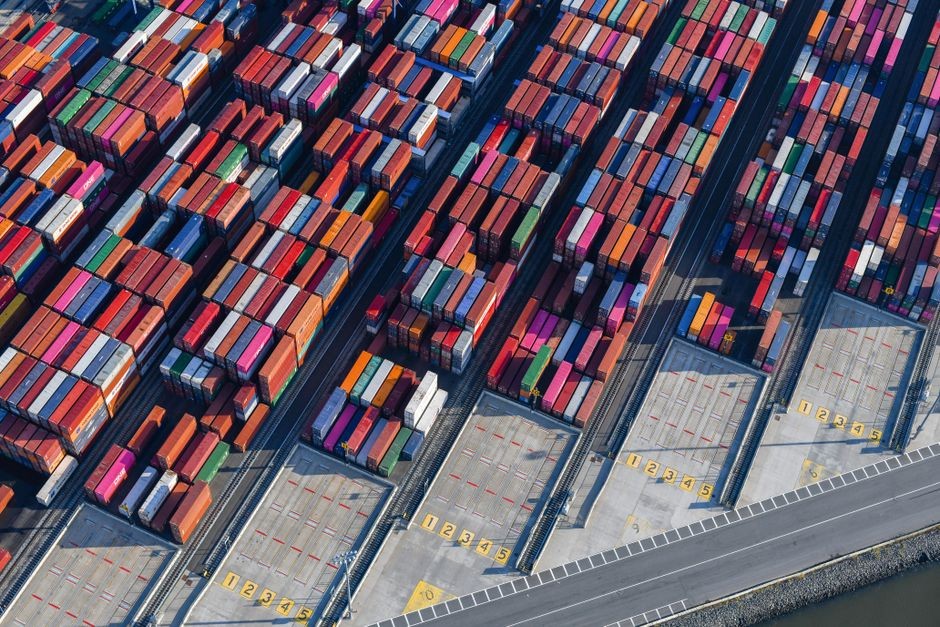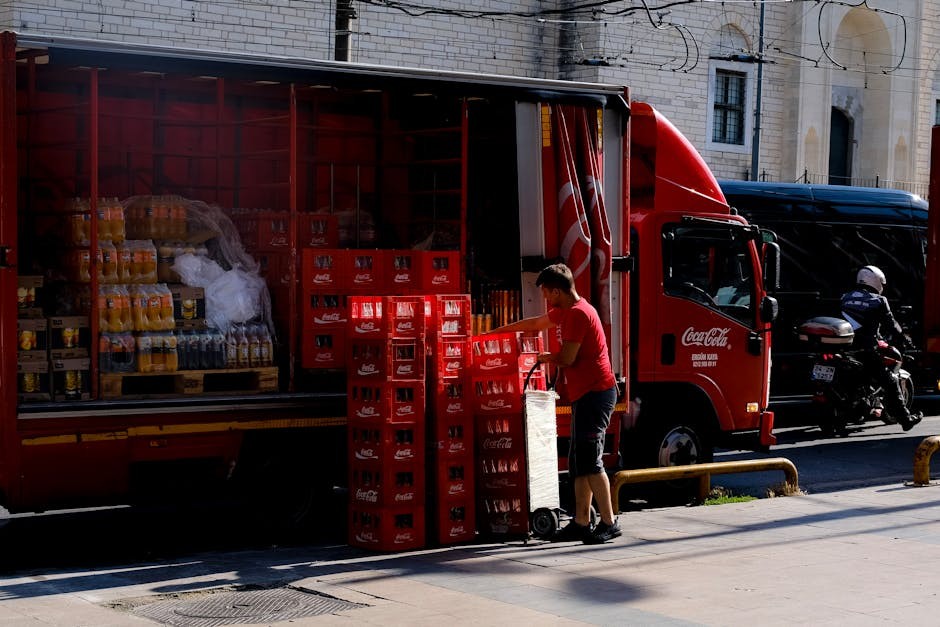
The Brazil logistics market is projected to grow from USD 126.97 Billion in 2025 to USD 176.74 Billion by 2034, at a 3.74% CAGR. 3PL holds 51.0% market share; road transport dominates (60.0%), led by the Southeast region (42.3%). E-commerce revenue hit USD 58.38 billion in 2023, with a 13.50% CAGR forecast through 2027. Novo PAC aims for BRL 180 billion in infrastructure investment (2024–2026), and logistics costs remain high at 15.5% of GDP.
According to www.openpr.com, the Brazil logistics market — encompassing third-party logistics (3PL), fourth-party logistics (4PL), and contract logistics services — is projected to grow from USD 126.97 Billion in 2025 to USD 176.74 Billion by 2034, expanding at a compound annual growth rate (CAGR) of 3.74% over the 2026–2034 period.
Market Structure and Regional Dynamics
In 2025, 3PL dominated with a 51.0% market share, reflecting widespread outsourcing of supply chain operations across manufacturing, retail, consumer goods, and healthcare sectors. By transportation mode, roadways accounted for 60.0% of the market, supported by Brazil’s 1.7-million-kilometer highway network. Geographically, the Southeast region held 42.3% of the market in 2025, anchored by the Port of Santos and the São Paulo industrial corridor.
Growth Drivers: E-Commerce, Infrastructure, and Exports
Rapid e-commerce expansion is a primary catalyst: the Brazilian e-commerce sector generated USD 58.38 billion in revenues in 2023 and is forecast to grow at a CAGR of 13.50% through 2027. Mercado Livre announced a record BRL 57 billion (approx. USD 10.9 billion) investment in Brazil for 2026 — including 14 new fulfillment centers — while Amazon is building a new AAA-rated logistics warehouse in Paraná, scheduled for completion in December 2026.
Government infrastructure investment under the Novo PAC (New Growth Acceleration Program) is also accelerating change. From 2024 to 2026, Brazil aims to attract BRL 180 billion (USD 34.03 billion) in private investment for rail and highway projects. A national railway concessions policy launched in November 2025 includes a portfolio of over 9,000 km, eight planned auctions, and expected investments of EUR 23 billion (BRL 140 billion). Additionally, a Memo-randum of Understanding (MoU) was signed between the Brazilian Ministry of Transport and Crossrail International Ltd in February 2026 to expand technical cooperation in the railway sector.
Industrial and agricultural export demand further sustains growth. Key exports — soybeans, iron ore, crude oil, corn, and meat — account for around 60% of shipments. Total trade volume reached USD 629.1 billion in 2025. The manufacturing sector required USD 7.43 billion in logistics services in 2024, and the record 2025–26 soybean crop is expected to boost trucking demand and freight rates. The Arco Norte corridor now handles around 38% of soy and corn exports.
Key Challenges and Strategic Opportunities
A major structural challenge remains: logistics costs stand at 15.5% of GDP in 2025, compressing margins and undermining exporter competitiveness. Overreliance on road freight exacerbates cost pressure and congestion, underscoring the urgency of multimodal development.
Major business opportunities lie in two interconnected areas: expansion of multimodal transport (railways and waterways) and digitalization and AI integration across logistics operations. These priorities align with broader regional trends — for example, Mexico’s recent public-private partnerships to modernize rail corridors and Colombia’s push for inland waterway integration — reinforcing Latin America’s collective shift toward infrastructure diversification and tech-enabled efficiency.
For global supply chain professionals, this means reassessing Brazil not only as a destination but as an increasingly dynamic node in transregional networks — where near-term capacity planning must account for both infrastructural inflection points (e.g., upcoming rail concessions) and operational realities (e.g., last-mile density in Southeast urban centers). Contract logistics providers entering or scaling in Brazil should prioritize flexibility in warehousing footprint and interoperability with evolving digital platforms — especially given the rapid deployment of AI-driven route optimization and predictive inventory tools by domestic players.
Source: www.openpr.com
Compiled from international media by the SCI.AI editorial team.