Skip to content

Geopolitics · Risk & Resilience · Trade & Tariffs

4PL Adoption Rising: How Fourth-Party Logistics Is Reshaping Global Trade

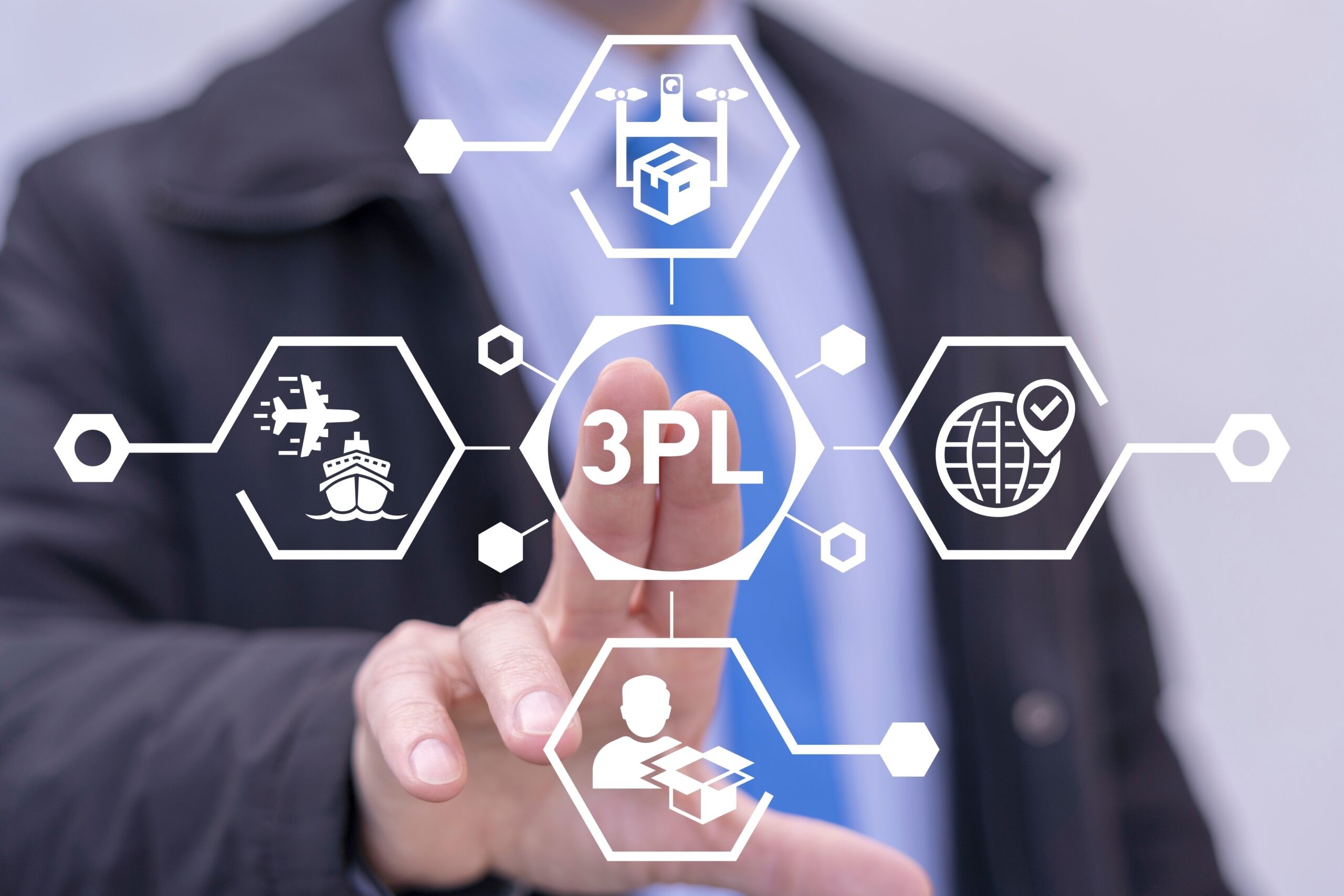
According to www.globaltrademag.com, global trade is shifting from third-party logistics (3PL) to fourth-party logistics (4PL) models to address rising supply chain complexity. Unlike 3PLs—which handle discrete functions like transport or warehousing—4PLs manage the entire supply chain as a single integrator. This transition enables better coordination, improved visibility, and strategic control. The report states the shift is driven by demand for integration, responsiveness to disruption, and end-to-end oversight. For practitioners, it signals a move from tactical vendor management to governance of unified data, performance metrics, and cross-functional logistics strategy.

Original source: globaltrademag.com

4PL Adoption Rising: How Fourth-Party Logistics Is Reshaping Global Trade

According to www.globaltrademag.com, global trade is evolving rapidly as businesses seek faster, more efficient, and more integrated logistics solutions — prompting a structural shift from third-party logistics (3PL) to fourth-party logistics (4PL) models. Traditional logistics frameworks are no longer sufficient to handle the growing complexity of modern supply chains.

Defining 3PL vs. 4PL Models

A third-party logistics provider offers discrete services such as transportation, warehousing, and distribution — helping businesses manage specific segments of their supply chain. While effective, 3PLs often operate in functional silos, limiting end-to-end coordination.

In contrast, a fourth-party logistics provider manages the entire supply chain on behalf of a client. It acts as a single point of contact, coordinating multiple service providers and integrating all logistics activities — from procurement and freight forwarding to customs compliance and real-time tracking.

Key Drivers of the 4PL Transition

  • Increasing supply chain complexity across geographies and regulatory regimes
  • Demand for greater visibility and strategic control over logistics operations
  • Need for seamless integration of technology, data, and multi-modal transport networks
  • Pressure to improve responsiveness amid geopolitical disruptions and trade uncertainty

The shift enables better coordination, improved visibility, and more strategic oversight — directly influencing how goods move across borders and how trade compliance is managed at scale.

Operational Impact on Global Supply Chains

This transition is not merely a vendor upgrade; it reflects a fundamental reconfiguration of responsibility and capability. According to the report, 4PL models support end-to-end supply chain management, moving beyond transactional execution toward holistic orchestration. As noted in the source, this evolution is changing how companies manage logistics — with implications for carrier selection, inventory planning, customs documentation timelines, and cross-border data sharing protocols.

“The transition from 3PL to 4PL is changing how companies manage their supply chains. It is enabling better coordination, improved visibility, and more strategic control over logistics operations.”

For supply chain professionals, this means evolving from managing service-level agreements with individual vendors to governing integrated performance dashboards, unified KPIs, and shared data ecosystems. It also entails deeper collaboration with IT, compliance, and finance teams to align logistics strategy with broader enterprise risk and ESG objectives — particularly as digital twins, AI-driven analytics, and real-time tracking become baseline expectations rather than differentiators.

Source: www.globaltrademag.com

Compiled from international media by the SCI.AI editorial team.

Ask SCI.AI Finished reading? Continue with SCI.AI. Explore the related policy, route, company and historical context. Continue asking
Singapore climate envoy: climate is ‘mother’ of supply chain disruption
Disruptions

Singapore climate envoy: climate is ‘mother’ of supply chain disruption

Singapore's climate action ambassador Ravi Menon called climate change the "mother of all" supply chain disruptions at the Bloomberg Sustainable Business Summit 2026. Using El Niño as an example, he explained how climate events cascade through food systems, hydroelectric power, and energy supply chains. Menon also highlighted grid infrastructure and battery storage as key investment opportunities, arguing that private capital must complement public and philanthropic funding to drive climate action.

BHP faces A$120M/day loss as 48-hour Port Hedland strike looms
Disruptions

BHP faces A$120M/day loss as 48-hour Port Hedland strike looms

BHP faces a A$120 million per day revenue loss as a 48-hour strike at Port Hedland, the world's largest iron ore export terminal, begins August 8, 2026. The two-phase action by the Combined Ports Unions involves ~150 workers, targeting ship-loading and full operations. With 256.9 million tonnes exported in FY2026, the disruption tests supply chain resilience.

China’s exports rise 14%, imports up 22% amid trade war resilience
Supply Chain

China’s exports rise 14%, imports up 22% amid trade war resilience

China’s foreign trade rose 17.3% to ¥30.13 trillion in the first seven months of 2026, with exports up 14% and imports surging 22%. High-tech exports jumped over 50% in July, accounting for nearly 60% of monthly export growth. U.S.-China trade fell 1.6%, while ties with over 180 countries—including ASEAN and the EU—expanded. Green exports like EVs and lithium batteries posted double-digit growth for the 17th straight month. China also applies zero tariffs to imports from 63 countries.

Welcome Back!

Login to your account below

Create New Account!

Fill the forms below to register

Retrieve your password

Please enter your username or email address to reset your password.

Scan to share via WeChat

Open WeChat and scan the QR code to share

QR Code

Add New Playlist

