

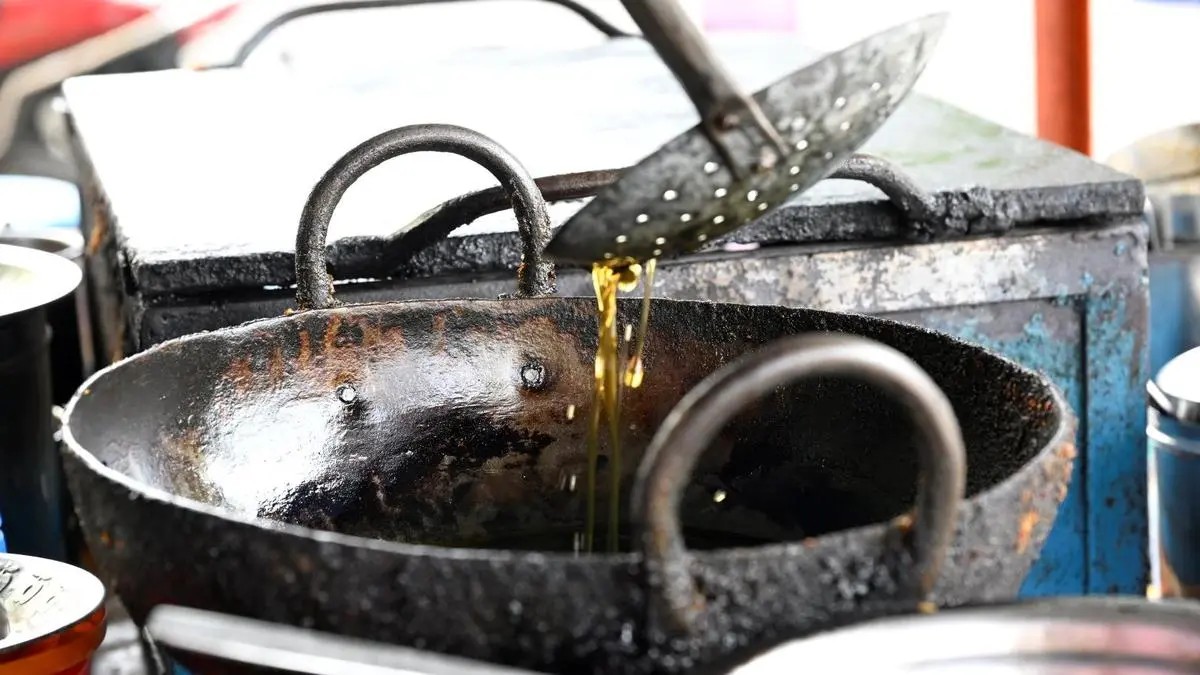
A FICCI-commissioned study finds 40% of India’s 72 registered biodiesel plants lack formal links to used cooking oil (UCO) aggregators, exposing supply chain fragility. Only 14 plants connect with 3–11 aggregators; 17 plants double as aggregators. The report cites China’s centralised, health-driven WCO collection and the US’s RFS-backed yellow grease monetisation as more mature models. It warns India’s crude dependency extends to chemical feedstocks, making domestic UCO mobilisation critical for material resilience.
According to www.thehindubusinessline.com, a FICCI-commissioned study has identified critical weaknesses in India’s used cooking oil (UCO) procurement infrastructure for biodiesel production — revealing that 40 per cent of 72 registered biodiesel units have no formal linkage with any UCO aggregator.
Fragmented UCO Aggregation Ecosystem
The report details the distribution of aggregator linkages across the 72 plants: 19 are linked to only one aggregator, 10 to two aggregators, and 14 to between three and 11 aggregators. Additionally, 17 biodiesel plants themselves act as UCO aggregators. The study concludes this pattern indicates “limited redundancy and low resilience in UCO mobilisation”, noting that a mature system would feature multiple competing aggregators within catchment areas to manage seasonal volume swings, quality variability, and geographic dispersion.
Policy Gaps and Global Comparisons
The study — titled “Transitioning the Chemical Industry: Used Cooking Oil as a Renewable Feedstock for Enabling India’s Material Transition” — recommends mandatory UCO collection to scale supply, but cautions that without differentiated end-use incentives, UCO flows overwhelmingly toward policy-supported fuel applications like biodiesel. Enforcement alone, it states, may improve collection but risk exporting system value or losing it due to lack of integrated allocation logic.
In China, strict enforcement against illegal reuse — driven by public health concerns — combined with centralised municipal collection and licensing has reduced food-chain leakage in major cities. Yet downstream use remains fragmented: most legally recovered waste cooking oil (WCO) is converted into biodiesel, with significant volumes exported; only recently have oleochemical and chemical applications emerged domestically, aided by improved purification technologies and tightening environmental controls.
In the US, UCO — known as “yellow grease” — is mobilised primarily through mandatory grease disposal requirements at state and municipal levels, ensuring high recovery from restaurants and institutional kitchens via licensed private collectors. Downstream allocation is shaped not by waste regulation but by energy-transition incentives: UCO-derived biodiesel and renewable diesel benefit from the Renewable Fuel Standard (RFS), where Renewable Identification Numbers (RINs) provide clear monetisation pathways. Sustainable Aviation Fuel (SAF) also qualifies, though no equivalent US policy instruments currently recognise or prioritise chemical or material uses of UCO.
Strategic Implications for Supply Chain Professionals
The study underscores how India’s reliance on imported fossil feedstocks exposes its chemical sector — particularly for surfactants and polymers — to both energy and material supply risks. Recent geopolitical tensions in West Asia have further highlighted this vulnerability. For global supply chain professionals operating in or sourcing from India, the findings signal material-level exposure: biogenic feedstock shortages constrain diversification away from crude-derived carbon, limiting circular economy integration and resilience planning. Practitioners should assess current UCO-linked procurement tiers, benchmark against China’s municipal enforcement model and the US’s RIN-driven monetisation framework, and evaluate whether their contracts or sustainability targets account for feedstock allocation logic beyond fuel-grade compliance.
Source: www.thehindubusinessline.com
Compiled from international media by the SCI.AI editorial team.


