Skip to content

Southeast Asia Supply Chain

China Supply Chain Accelerates Adaptation Amid Shortened Sourcing Timelines

The Chinese supply chain is adapting to shrinking sourcing timelines by focusing on speed, flexibility, and value beyond pricing. Buyers prioritize reliability and reduced risk, and there is a shift towards functional, lifestyle-oriented fabrics.

Original source: fibre2fashion.com

China Supply Chain Accelerates Adaptation Amid Shortened Sourcing Timelines
📋 本文要点

The Chinese supply chain is adapting to shrinking sourcing timelines by focusing on speed, flexibility, and value beyond pricing. Buyers prioritize reliability and reduced risk, and there is a shift towards functional, lifestyle-oriented fabrics.

According to Fibre2Fashion, the Chinese supply chain is undergoing a transformation to meet the shrinking sourcing timelines. Faced with changing dynamics, the focus has shifted from cost to speed, flexibility, and value beyond pricing. Buyers now prioritize reliability, responsiveness, and reduced supply chain risk. Documentation, traceability, and transparency have become critical decision-making factors. The demand is also shifting towards functional, lifestyle-oriented fabrics with comfort and versatility. Despite a decline in imports from the United States, the Chinese textile industry is scaling up its research and development to maintain competitiveness.

Key Insights

  • Shift in Priorities: Buyers now prioritize reliability, responsiveness, and reduced supply chain risk over cost.
  • Increased Importance of Documentation: Documentation, traceability, and transparency are critical in decision-making.
  • Product Evolution: Demand is growing for functional, lifestyle-oriented fabrics with comfort and versatility.
  • Decline in Imports: The United States imported nearly $* * billion worth of apparel and $* . * * billion of footwear from China in * * * * , but these numbers are drastically down compared to * * * * .

“From our perspective, the more important issue is how to continue creating value through product quality, development efficiency, and supply responsiveness,” said Desheng Ruan, founder of Jushang Textile.

Practical Implications for Supply Chain Professionals

Supply chain professionals must adapt to these changes by focusing on building robust and responsive supply chains. This involves improving documentation and traceability, embracing digital solutions for increased transparency, and focusing on product innovation to meet evolving consumer demands.

Source: www.fibre2fashion.com

Compiled from international media by the SCI.AI editorial team.
Ask SCI.AI Finished reading? Continue with SCI.AI. Explore the related policy, route, company and historical context. Continue asking
Indonesian Manufacturing Exports Rise 7.37% in H1 2026
Southeast Asia Supply Chain

Indonesian Manufacturing Exports Rise 7.37% in H1 2026

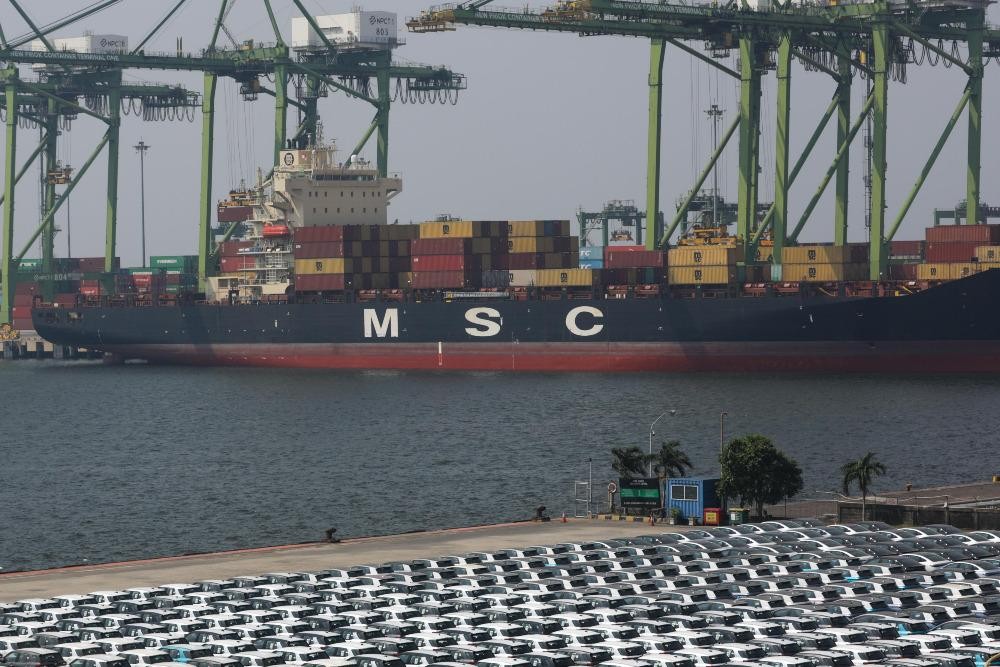
Indonesia’s manufacturing exports rose 7.37% in H1 2026, driving non-oil-and-gas export growth to US$134.58 billion — up 4.90% YoY. Processed nickel, CPO, and aluminum led gains. In June alone, manufacturing exports hit US$20.88 billion (85.6% of nonmigas total), buoyed by 69.30% YoY growth in nickel shipments. China remained the top destination (US$34.56 billion, +18.10%), followed by the US (US$15.82 billion) and India (US$9.25 billion), together capturing 44.31% of total nonmigas exports.

Vietnam Logistics Expo Draws 450 Firms Amid Đồng Nai Multimodal Push
Southeast Asia Supply Chain

Vietnam Logistics Expo Draws 450 Firms Amid Đồng Nai Multimodal Push

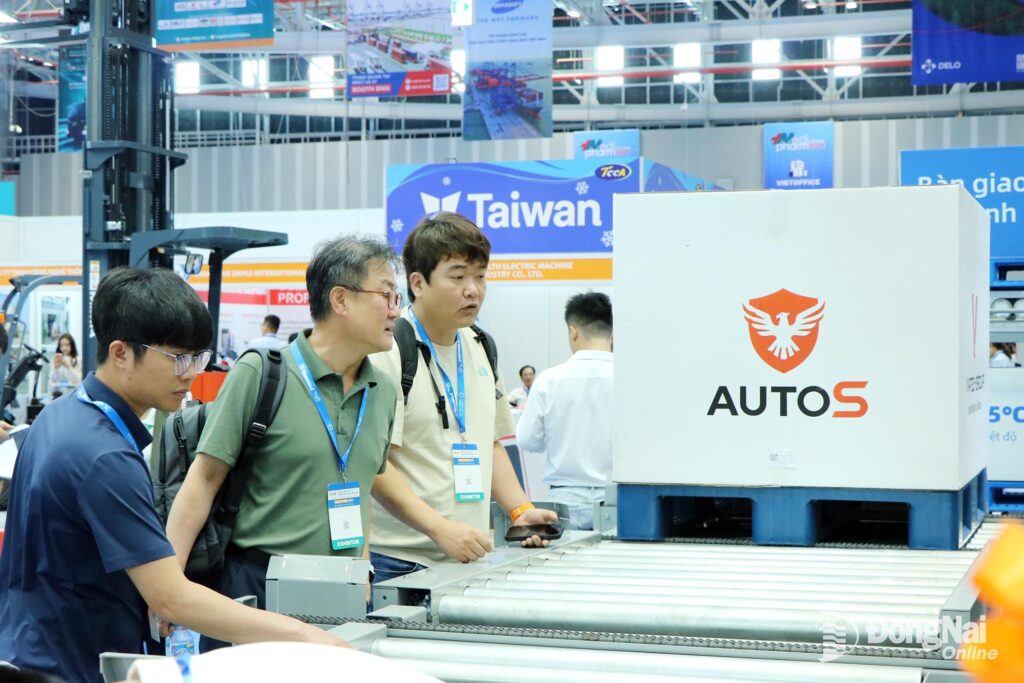
Vietnam's logistics sector is undergoing rapid digital and green transformation, highlighted by the 450-company Vietnam International Logistics Exhibition 2026 in Ho Chi Minh City. Policy leaders stress integration of digital tools, sustainability, and multimodal connectivity to cut costs and boost export competitiveness. Đồng Nai province leverages its industrial parks, Phước An Port, Long Thành Airport, and highway networks to build a logistics ecosystem — aiming to shift from manufacturing base to regional distribution and value-addition hub.

Vietnam Airlines launches first freighter in Q3 2026 amid 80% foreign cargo dominance
Southeast Asia Supply Chain

Vietnam Airlines launches first freighter in Q3 2026 amid 80% foreign cargo dominance

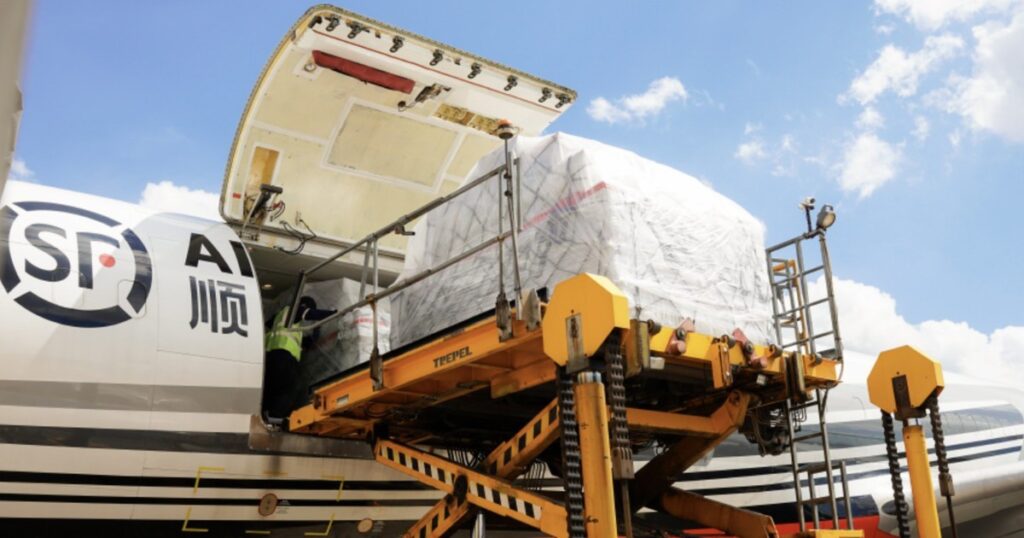
Vietnam Airlines will launch its first dedicated freighter in Q3 2026 amid record cargo volumes — 1.8 million tonnes in 2025, 920,900 tonnes in H1 2026 — yet foreign carriers still hold over 80% of international air cargo revenue. With Long Thanh Airport opening in December 2026 and ground-handling shifts underway (including Vietjet’s April 2025 move away from SAGS), Vietnam aims to capture more value across the air cargo chain. Korean Air projects 50,000 tonnes of cargo in Vietnam this year, up from 16,000 tonnes in 2024.

Welcome Back!

Login to your account below

Create New Account!

Fill the forms below to register

Retrieve your password

Please enter your username or email address to reset your password.

Scan to share via WeChat

Open WeChat and scan the QR code to share

QR Code

Add New Playlist