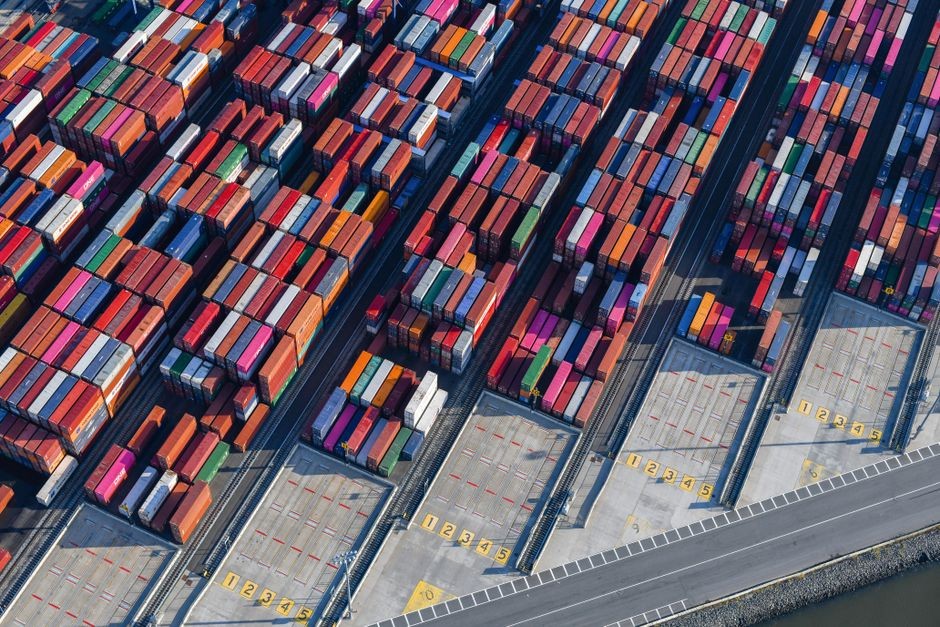
According to gigabpo.com, nearshoring to Latin America is emerging as a practical supply chain resilience solution for global businesses in 2026 amid intensifying US-China tensions and persistent supply disruptions.
What Is Nearshoring to Latin America?
Nearshoring to Latin America refers to relocating business operations—such as manufacturing or business process outsourcing (BPO)—from distant regions like Asia to nearby Latin American countries, especially those geographically and time-zone aligned with the US and Canada. This differs from offshoring (e.g., US → China) and reshoring (e.g., US → US). As defined by the source, nearshoring prioritizes proximity-driven agility, cost efficiency, and operational control.
Key Drivers Behind the Shift
The surge in nearshoring to Latin America in 2026 is driven by several interlocking factors. US-China trade tensions and decoupling—including tariffs, export controls, and regulatory uncertainty—are prompting companies to reduce reliance on Asian supply chains. Post-pandemic supply chain disruptions, including ongoing shortages of equipment, semiconductors, and raw materials, are accelerating the pivot to regional suppliers. Supply chain resilience and diversification have become top business priorities. Regional trade agreements such as USMCA streamline cross-border operations and incentivize investment. Rising labor and compliance costs in Asia are eroding its traditional cost advantage. According to the Inter-American Development Bank, foreign direct investment (FDI) in Latin America is rebounding—particularly in Mexico, Brazil, and Colombia. Many LATAM governments offer tax breaks, streamlined permits, and free trade zones to attract nearshoring initiatives.
Latin America vs. Asia: A Functional Comparison
- Labor Costs: Competitive in Latin America; often lower in Asia but rising
- Time Zone: Aligned with US/Canada versus 10–13 hour difference for Asia
- Cultural Affinity: Higher—especially with Mexico—versus lower (though improving) in Asia
- Infrastructure: Improving but uneven across LATAM versus mature (though sometimes delayed) in Asia
- Talent Pool: Strong in tech and BPO in LATAM; large and established in Asia
- Language Skills: Good English/Spanish proficiency in key LATAM markets versus strong English (with variation) in Asia
- Delivery Speed: Faster due to shorter haul and fewer customs barriers versus slower transit in Asia
- Security & IP Risk: Lower risk in BPO contexts in LATAM versus variable by country in Asia
- Regulations: Supported by USMCA and regional free trade agreements versus more fragmented frameworks in Asia
The source concludes that Latin America often wins on time zone alignment, proximity-driven agility, and increasing talent sophistication—though Asia may retain cost advantages for large-scale operations.
Top Nearshoring Destinations in Latin America (2026)
Not all Latin American countries offer equal appeal. The report ranks leading destinations based on talent pool, cost structure, infrastructure quality, government incentives, and sectoral fit:
- Mexico: Large, skilled talent pool; competitive costs; excellent infrastructure near the US border; strong support via USMCA and tax breaks; dominant in manufacturing, automotive, and electronics
- Brazil: Strong tech talent and large domestic market; higher costs in major metros; infrastructure improving; incentives for tech and energy sectors; key in finance, tech, and energy
- Colombia: Fast-growing, cost-effective talent pool; low-to-medium costs; infrastructure improving with strong BPO foundations; tax incentives and free trade zones; focused on BPO, IT, and finance
- Costa Rica: Highly educated, bilingual workforce; moderate costs; modern and reliable infrastructure; free trade zone benefits; strong in IT and services
- Chile: (Implied by context and regional benchmarks—though cut off mid-sentence in source) Recognized for political stability, digital readiness, and FTAs; often cited in industry reports for IT and financial services nearshoring
Practical Implications for Supply Chain Professionals
For supply chain professionals, this shift signals an urgent need to reassess sourcing geography—not just for cost, but for responsiveness, compliance, and continuity. Nearshoring to Latin America enables faster lead times, real-time collaboration across shared time zones, and reduced exposure to long-haul logistics risks (e.g., port congestion, air freight volatility). However, success requires due diligence on local regulatory frameworks, labor law compliance, and infrastructure variability—especially outside major corridors like the US-Mexico border. The source emphasizes a stepwise, expert-backed playbook for launching operations, underscoring that nearshoring is not merely relocation but strategic reconfiguration.
Source: gigabpo.com
Compiled from international media by the SCI.AI editorial team.