Skip to content

Southeast Asia Supply Chain

Vietnam’s Feb 2026 Customs Rules Raise Supply Chain Compliance Burden

According to www.vietnam-briefing.com, Vietnam’s new customs rules under Circular No. 121/2025/TT-BTC took effect February 1, 2026, introducing stricter documentation, mandatory e-declarations for high-risk goods, and penalties up to 200% of evaded duties. The update forms part of broader 2026 regulatory tightening—including IP, labor, and VAT reforms—that raises compliance overheads for importers and exporters. Supply chain professionals must now strengthen origin verification, upgrade digital declaration systems, and factor in extended clearance timelines. These changes align with regional trends in Thailand, Indonesia, and Malaysia emphasizing traceability and fiscal accountability.

Original source: vietnam-briefing.com

Vietnam’s Feb 2026 Customs Rules Raise Supply Chain Compliance Burden

According to www.vietnam-briefing.com, Vietnam implemented new customs, administrative, monetary, and sector-specific regulatory updates effective February 1, 2026, imposing significant compliance obligations on businesses engaged in import-export, financial services, taxation, and tourism. These reforms aim to modernize procedures, improve compliance oversight, and strengthen enforcement through recently enacted laws and decrees.

New Customs Procedures Under Circular No. 121/2025/TT-BTC

On December 18, 2025, the Ministry of Finance issued Circular No. 121/2025/TT-BTC (“Circular 121”), amending and supplementing provisions of existing customs regulations under Circular No. 38/2015/TT-BTC and Circular No. 39/2018/TT-BTC. The updated rules govern customs procedures, inspection, supervision, and tax administration for imported and exported goods.

The source states that Circular 121 introduces stricter documentation requirements for origin verification, mandates electronic submission of customs declarations for all high-risk commodity categories (including wood products, electronics components, and textile inputs), and expands the scope of mandatory pre-shipment inspections for goods valued above US$50,000 per consignment. It also codifies new penalties for misclassification or undervaluation — including fines up to 200% of evaded duties and potential suspension of customs clearance privileges for repeat violations.

Broader Regulatory Context for Supply Chain Professionals

While the February 2026 updates focus on customs, they align with a broader wave of Vietnam’s regulatory tightening observed across 2025–2026. According to the source, Vietnam also introduced tighter intellectual property registration rules effective April 1, 2026; launched a centralized electronic labor contract system mandated from July 2026; and expanded VAT refund eligibility while enforcing stricter compliance documentation. These changes collectively increase administrative lead times and require cross-functional coordination between procurement, logistics, finance, and legal teams.

For global supply chain professionals, these developments follow a pattern seen across ASEAN: Thailand tightened customs valuation guidelines in late 2025; Indonesia rolled out real-time customs data exchange with port authorities in January 2026; and Malaysia enhanced anti-dumping enforcement targeting steel and plastic inputs. Vietnam’s move reflects growing emphasis on traceability and fiscal accountability — especially amid rising scrutiny from major trading partners. As noted in related reporting on Vietnam’s wood industry, export compliance is now tightly linked to sustainability certifications such as FSC and PEFC, with Circular 121 requiring supporting documentation for timber imports from high-risk sourcing countries.

Practically, supply chain teams must now audit supplier documentation workflows, validate digital infrastructure for e-declarations, and reassess landed cost models to include higher compliance overheads — particularly for SME suppliers lacking in-house customs expertise. Lead times for customs clearance may extend by 1–3 business days during initial implementation, according to operational feedback cited in Vietnam Briefing’s April 2026 Manufacturing Tracker.

Source: www.vietnam-briefing.com

Compiled from international media by the SCI.AI editorial team.
Ask SCI.AI Finished reading? Continue with SCI.AI. Explore the related policy, route, company and historical context. Continue asking
Stay ahead of supply chain shifts

One email a week: the stories that matter and new risk events — in English, free.

Prefer RSS? Articles Risk events

Indonesian Manufacturing Exports Rise 7.37% in H1 2026
Southeast Asia Supply Chain

Indonesian Manufacturing Exports Rise 7.37% in H1 2026

Indonesia’s manufacturing exports rose 7.37% in H1 2026, driving non-oil-and-gas export growth to US$134.58 billion — up 4.90% YoY. Processed nickel, CPO, and aluminum led gains. In June alone, manufacturing exports hit US$20.88 billion (85.6% of nonmigas total), buoyed by 69.30% YoY growth in nickel shipments. China remained the top destination (US$34.56 billion, +18.10%), followed by the US (US$15.82 billion) and India (US$9.25 billion), together capturing 44.31% of total nonmigas exports.

Vietnam Logistics Expo Draws 450 Firms Amid Đồng Nai Multimodal Push
Southeast Asia Supply Chain

Vietnam Logistics Expo Draws 450 Firms Amid Đồng Nai Multimodal Push

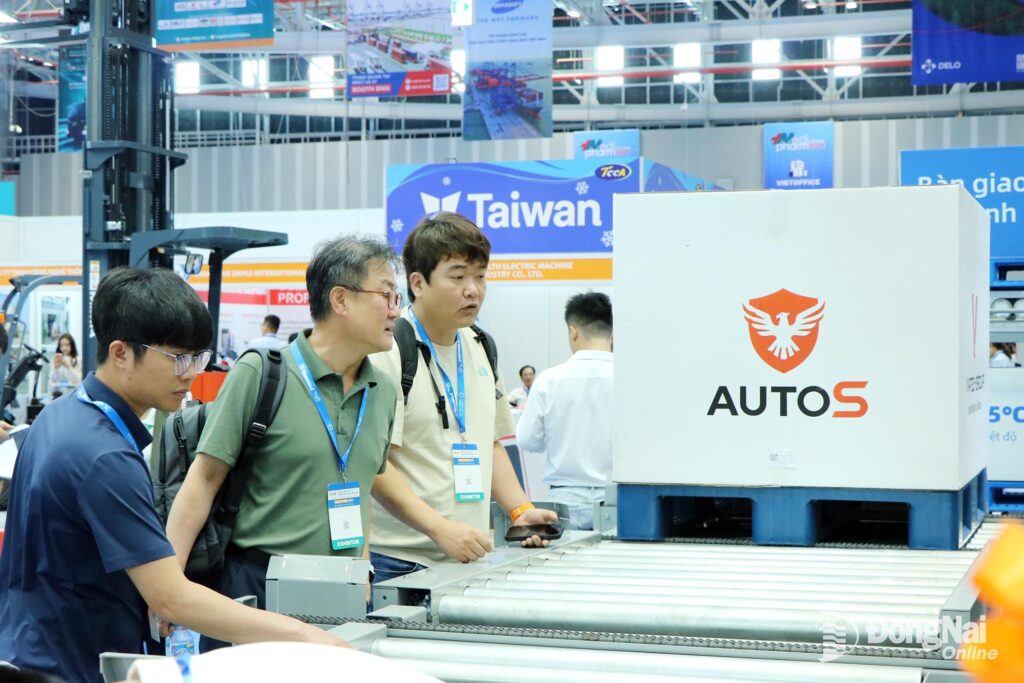
Vietnam's logistics sector is undergoing rapid digital and green transformation, highlighted by the 450-company Vietnam International Logistics Exhibition 2026 in Ho Chi Minh City. Policy leaders stress integration of digital tools, sustainability, and multimodal connectivity to cut costs and boost export competitiveness. Đồng Nai province leverages its industrial parks, Phước An Port, Long Thành Airport, and highway networks to build a logistics ecosystem — aiming to shift from manufacturing base to regional distribution and value-addition hub.

Vietnam Airlines launches first freighter in Q3 2026 amid 80% foreign cargo dominance
Southeast Asia Supply Chain

Vietnam Airlines launches first freighter in Q3 2026 amid 80% foreign cargo dominance

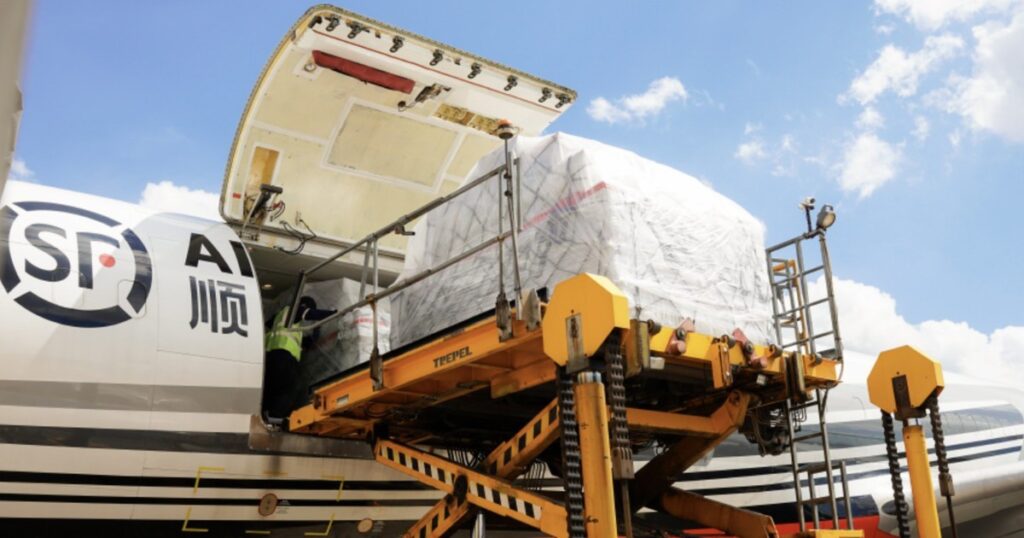
Vietnam Airlines will launch its first dedicated freighter in Q3 2026 amid record cargo volumes — 1.8 million tonnes in 2025, 920,900 tonnes in H1 2026 — yet foreign carriers still hold over 80% of international air cargo revenue. With Long Thanh Airport opening in December 2026 and ground-handling shifts underway (including Vietjet’s April 2025 move away from SAGS), Vietnam aims to capture more value across the air cargo chain. Korean Air projects 50,000 tonnes of cargo in Vietnam this year, up from 16,000 tonnes in 2024.

Welcome Back!

Login to your account below

Create New Account!

Fill the forms below to register

Retrieve your password

Please enter your username or email address to reset your password.

Scan to share via WeChat

Open WeChat and scan the QR code to share

QR Code

Add New Playlist