Skip to content

Manufacturing

Spinnova Restarts Woodspin Demo Factory in 2026

Spinnova has begun trial runs at its Woodspin demo factory in Jyväskylä, Finland, targeting full production resumption in 2026. The facility, opened in May 2023, has 1,000 tonnes/year capacity and produces chemical-free wood-based SPINNOVA fibre. In October 2025, Spinnova acquired full ownership of the Woodspin and Suzano Finland sites, now unified as Spinnova Refining. CEO Janne Poranen emphasized that trial outcomes will shape the timeline for industrial-scale output. For supply chain professionals, this marks a concrete step toward scalable, low-impact textile alternatives aligned with ESG compliance and circular economy goals.

Original source: just-style.com

Spinnova Restarts Woodspin Demo Factory in 2026
📋 本文要点

Spinnova has begun trial runs at its Woodspin demo factory in Jyväskylä, Finland, targeting full production resumption in 2026. The facility, opened in May 2023, has 1,000 tonnes/year capacity and produces chemical-free wood-based SPINNOVA fibre. In October 2025, Spinnova acquired full ownership of the Woodspin and Suzano Finland sites, now unified as Spinnova Refining. CEO Janne Poranen emphasized that trial outcomes will shape the timeline for industrial-scale output. For supply chain professionals, this marks a concrete step toward scalable, low-impact textile alternatives aligned with ESG compliance and circular economy goals.

According to www.just-style.com, Spinnova has initiated trial runs at its Woodspin demonstration factory in Jyväskylä, Finland, as part of a phased effort to restart production of its wood-based SPINNOVA fibre.

Phased Ramp-Up Toward Industrial Scale

The trial phase focuses on validating technological solutions previously tested at pilot scale — specifically those aimed at improving production efficiency and fibre quality. Spinnova stated that outcomes from these trials will determine the timeline for full-scale operations, with a target of complete resumption in 2026.

Facility Background and Capacity

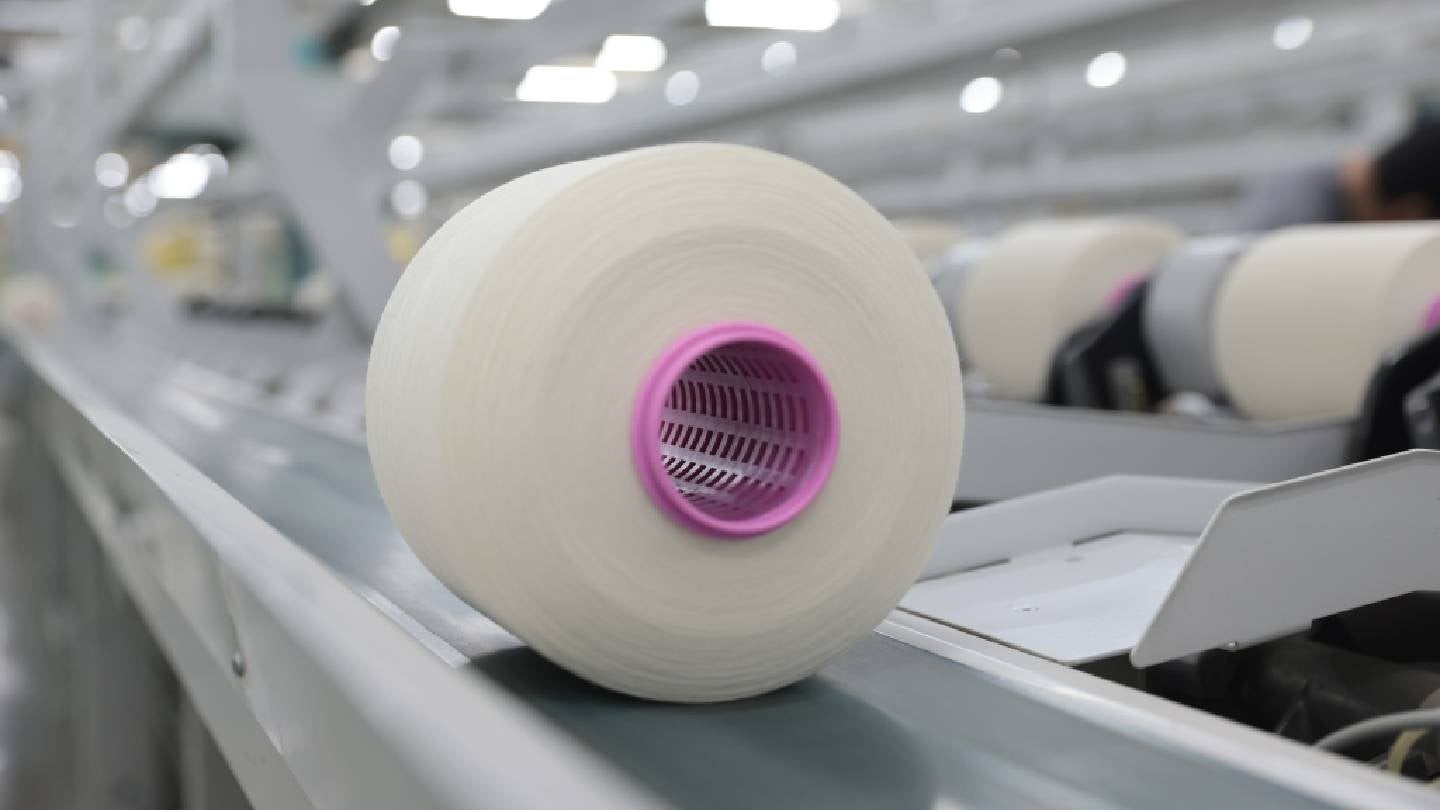
The Woodspin demonstration factory opened in May 2023 and has an annual production capacity of 1,000 tonnes of fibre. It produces SPINNOVA fibre using the company’s patented process, which converts wood pulp or waste into textile fibre without harmful chemicals or dissolving methods. The resulting fibre can be blended with other fibres to create yarns and fabrics suitable for cotton-like applications — including apparel and accessories.

Ownership Consolidation and Strategic Infrastructure

In October 2025, Spinnova acquired full ownership of both the Woodspin and Suzano Finland demo factories, following binding agreements executed in August 2025. These sites are now collectively branded as Spinnova Refining and house infrastructure for producing SPINNOVA fibre and preparing its core raw material: microfibrillated cellulose.

“Our aim is to proceed with the ramp-up of the demo facility step by step, and the upcoming trial runs are an important step towards starting actual production. With the trial runs now starting, we aim to validate the technological solutions tested at a smaller pilot scale to improve production efficiency and fibre quality. This is a key phase in delivering Spinnova fibre to customers and scaling our technology to an industrial level, which is the direction we are heading.” — Janne Poranen, CEO, Spinnova

For supply chain professionals, this development signals tangible progress in scaling next-generation bio-based textile inputs — a critical factor in meeting tightening ESG compliance requirements and reducing dependency on conventional cotton and synthetics. Unlike traditional viscose or lyocell, SPINNOVA’s chemical-free mechanical process avoids N-methylmorpholine N-oxide (NMMO) and carbon disulfide, aligning with growing brand mandates for safer chemistry and lower water use. The Jyväskylä site’s location in Finland also offers proximity to sustainably certified Nordic forests and EU-aligned environmental regulations — advantages increasingly weighed in strategic sourcing decisions amid rising scrutiny of Scope 3 emissions and circular economy commitments.

Source: Just Style

Compiled from international media by the SCI.AI editorial team.

Ask SCI.AI Finished reading? Continue with SCI.AI. Explore the related policy, route, company and historical context. Continue asking
TSMC revenue up 33.7%, ASML ships 86 lithography machines
Manufacturing

TSMC revenue up 33.7%, ASML ships 86 lithography machines

TSMC reported $40.2 billion in Q2 2026 revenue — up 33.7% year-on-year — with 2-nm process contributing 3% of sales. ASML shipped 86 new lithography machines in the same quarter, boosting revenue to €9.32 billion ($10.69 billion). TSMC holds 73% of the global foundry market, while ASML’s EUV tools remain essential for sub-3-nm chip production. Both companies’ five-year net income grew over 90% (ASML) and 251% (TSMC). TSMC’s $100 billion Arizona expansion will support 2-nm manufacturing and advanced packaging.

BlueGrace acquires Idaho 3PL Truk TMS to expand Pacific Northwest LTL
AI & Automation

BlueGrace acquires Idaho 3PL Truk TMS to expand Pacific Northwest LTL

BlueGrace Logistics has acquired Idaho-based third-party logistics provider Truk TMS to strengthen its presence in the Pacific Northwest. The deal brings Truk TMS—previously a BlueGrace partner—fully into the company’s ecosystem, granting its customers access to BlueGrace’s Managed Logistics platform and BlueShip technology. Financial terms remain undisclosed. BlueGrace, headquartered in Tampa, Florida, serves over 10,000 customers from nine offices across the U.S. and Mexico and operates a carrier network exceeding 250,000. As a Warburg Pincus portfolio company, BlueGrace previously acquired STB Freight Group and FreightCenter in 2025. Truk TMS CEO Mark Barnes emphasized continuity of service backed by expanded capabilities.

India launches PLI scheme for polysilicon to cut China imports
Manufacturing

India launches PLI scheme for polysilicon to cut China imports

India is launching a Production-Linked Incentive (PLI) scheme for domestic polysilicon manufacturing to eliminate its 100% dependence on Chinese imports. Announced by Santosh Kumar Sarangi, Secretary of the Ministry of New and Renewable Energy, the scheme targets over 10 GW of capacity and supports India’s goal of 500 GW of non-fossil power by 2030. It builds on existing PLI investments totaling ₹240 billion ($2.52 billion) and complements current domestic capacity — including 200+ GW of solar panels and 32+ GW of cells — with plans for 80 GW of ingot and wafer capacity by June 2028.

Welcome Back!

Login to your account below

Create New Account!

Fill the forms below to register

Retrieve your password

Please enter your username or email address to reset your password.

Scan to share via WeChat

Open WeChat and scan the QR code to share

QR Code

Add New Playlist